The Runes
 77
77

The Runes
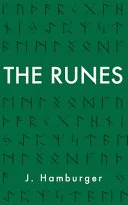
J Hamburger’s "The Runes" presents the Elder Futhark with a clarity that commendably avoids overly romanticized notions of Viking mystics. The author's strength lies in the systematic breakdown of each rune’s individual meanings, offering straightforward interpretations for divination. A particular passage detailing the Norns' connection to Wyrd (fate) provides a solid anchor for understanding the philosophical underpinnings of runic determinism. However, the work sometimes leans towards a generalized approach, lacking deeper engagement with the specific cultural and linguistic nuances that differentiate runic practices across various historical Germanic tribes. The book’s initial publication in 2020 means it engages with contemporary interpretations rather than primary historical sources directly. Ultimately, "The Runes" serves as a competent, accessible primer for newcomers to the subject.
📝 Description
77
J Hamburger's 2020 book, "The Runes," offers a practical guide to the Elder Futhark system.
Published in December 2020, "The Runes" by J Hamburger serves as a manual for working with runic divination. The text concentrates on the Elder Futhark, the earliest Germanic alphabet, and its use in prediction and self-reflection. It details each rune's individual meaning and provides instruction on interpreting their significance in readings. The book seeks to make rune lore accessible to newcomers.
This work targets individuals new to rune reading and esoteric practices, especially those interested in Norse mythology and Germanic paganism. It is useful for anyone wanting to learn a new divination method or to build upon existing knowledge of runes. Students of comparative religion or mythology might also find value in its practical explanations of ancient scripts. The book emphasizes the runes as tools for introspection as well as prediction.
The study and application of runes date back to at least the 2nd century CE, appearing on artifacts across Northern Europe. Historically, runes functioned as an alphabet, a magical script, and a divinatory tool. This practice saw renewed interest in the late 19th and 20th centuries, fueled by movements such as Theosophy and Germanic neopaganism. Hamburger's 2020 publication engages with this continuing tradition of runic scholarship and practice.
💡 Why Read This Book?
• Gain a foundational understanding of the Elder Futhark's 24 runes, learning their individual meanings and phonetic values as presented in the text, enabling practical divination. • Explore specific methods for rune casting and interpretation, such as the described spreads, offering techniques beyond generic astrological charts. • Connect with the historical context of rune usage, understanding its evolution from an alphabet to a divinatory tool, as outlined in the book's historical sections.
⭐ Reader Reviews
Honest opinions from readers who have explored this book.
❓ Frequently Asked Questions
When was J Hamburger's "The Runes" first published?
J Hamburger's "The Runes" was first published on December 5, 2020. This recent publication date indicates its engagement with contemporary occult scholarship and practice.
What specific runic alphabet does the book focus on?
The book centers its teachings on the Elder Futhark, which is the oldest known runic alphabet. It comprises 24 distinct runes used by Germanic peoples before the Viking Age.
Does "The Runes" cover Viking Age runes?
Yes, while primarily focusing on the Elder Futhark, the book also addresses Viking runes, acknowledging their connection and evolution from the earlier system.
Is this book suitable for complete beginners in divination?
Absolutely. "The Runes" is structured as a guide, offering clear explanations of rune meanings and practical instructions for reading, making it accessible for novices.
What are the main applications of runes discussed in the book?
The book covers rune reading for divination, exploring both predictive and introspective uses. It guides readers on interpreting rune casts for guidance and self-understanding.
Does the book offer historical background on runes?
Yes, "The Runes" provides historical context, tracing the origins and evolution of runic alphabets and their use in ancient Germanic societies.
🔮 Key Themes & Symbolism
Elder Futhark Meanings
The central focus is the exhaustive exploration of each of the 24 runes of the Elder Futhark. Hamburger meticulously details the name, phonetic value, and layered meanings of each symbol, from the primal force of Fehu (wealth) to the mystery of Dagaz (day/awakening). The work emphasizes the interconnectedness of these symbols, suggesting they form a coherent system for understanding cosmic and personal energies. Each rune is presented not just as an isolated glyph, but as a concept embodying specific forces or archetypes relevant to divination and self-reflection.
Rune Casting Techniques
Beyond mere definitions, the book provides practical methodologies for employing runes in divination. It outlines various casting methods, from simple single-rune draws to more complex multi-rune spreads, akin to tarot layouts. The work guides the reader through the process of preparing for a reading, formulating questions, casting the runes, and interpreting the resulting patterns. This practical dimension transforms the runes from abstract symbols into a functional tool for seeking guidance and insight into life's circumstances.
Norse Mythology and Cosmology
Hamburger situates runic interpretation within the broader framework of Norse mythology and Germanic cosmology. Concepts such as Wyrd (fate), the Norns, and the Nine Worlds are often invoked to provide a richer context for understanding the runes' significance. This connection allows readers to appreciate the runes not just as random signs but as integral components of an ancient worldview, reflecting a deep understanding of natural cycles, divine forces, and the human condition within that cosmic structure.
Personal Development Through Runes
The book advocates for using rune divination as a pathway to personal growth and self-awareness. By engaging with the archetypal energies represented by the runes, readers are encouraged to confront challenges, recognize opportunities, and gain clarity on their inner states. The interpretive process is framed as a dialogue with the subconscious and the wider energetic field, fostering a more conscious and intentional approach to life's journey.
💬 Memorable Quotes
Direct passages from the work, attributed to the author.
“Each rune is a key, unlocking a specific aspect of existence or consciousness.”
— This statement captures the book's core philosophy: that the runes are not mere letters but potent symbols representing fundamental forces and states of being, accessible through dedicated study and practice.
“The casting of runes is a conversation with fate, not a rigid decree.”
— This highlights the interpretive flexibility emphasized in the book. It suggests that while runes may point towards destiny (Wyrd), the act of reading allows for understanding and potential influence, rather than passive acceptance.
“Understanding the Elder Futhark requires embracing its historical roots and symbolic depth.”
— This points to the dual approach the book advocates: grounding runic practice in historical knowledge while also exploring the deeper, esoteric meanings attributed to the symbols.
“Fehu represents not just material wealth, but the potential for abundance in all forms.”
— This offers a nuanced interpretation of a foundational rune, moving beyond simple definitions to explore its broader symbolic resonance within a divinatory context.
“The runes offer guidance for reading through the challenges inherent in the human journey.”
— This frames rune reading as a practical tool for life, suggesting that the ancient symbols hold wisdom applicable to contemporary personal and spiritual development.
🌙 Esoteric Significance
Tradition
This work falls within the broader spectrum of Western Esotericism, specifically drawing from traditions interested in Germanic/Norse mythology and runic magic. It aligns with modern pagan and Heathen reconstructionist movements that seek to revive and adapt ancient practices for contemporary spiritual needs. While not strictly Hermetic or Kabbalistic, it shares the esoteric library's focus on symbolic systems and divination as tools for spiritual insight and self-transformation, offering an alternative to more Mediterranean-centric esoteric traditions.
Symbolism
Key symbols include the runes themselves, each representing a complex web of meanings derived from their names (e.g., 'Uruz' for Aurochs/strength, 'Thurisaz' for Thorn/defense) and mythological associations. The concept of Wyrd, often represented abstractly or through specific Norn-related runes, symbolizes interconnected fate and destiny. The book likely explores the symbolic nature of rune casting itself—the act of throwing stones or objects marked with symbols to discern patterns mirroring the forces at play in the querent's life.
Modern Relevance
Contemporary practitioners of Norse-inspired spirituality, Heathenry, and various forms of modern witchcraft frequently utilize rune work for divination and magical purposes. Thinkers and practitioners exploring animism, ecological spirituality, and archetypal psychology find resonance in the runes' connection to natural forces and ancient Germanic archetypes. Hamburger's work contributes to this ongoing dialogue by providing accessible interpretations for a new generation engaging with these powerful symbols.
👥 Who Should Read This Book
• Aspiring diviners seeking a practical, structured introduction to a unique symbolic system, moving beyond common tarot or pendulum methods. • Students of Norse mythology and Germanic folklore interested in the practical application and esoteric interpretations of the Elder Futhark alphabet. • Individuals engaged in personal development or spiritual exploration looking for a tool to gain self-awareness and guidance rooted in ancient European symbolism.
📜 Historical Context
J Hamburger's "The Runes" emerges within a contemporary resurgence of interest in Germanic paganism and Norse mythology, a trend amplified in the late 20th and early 21st centuries. While the Elder Futhark alphabet dates back to at least the 2nd century CE, its use for divination saw significant scholarly and popular revival in the 20th century, often intersecting with occult movements like Theosophy and later Germanic Neopaganism. Contemporaries like Freya Aswynn, whose work "Leaves of Yggdrasil" (1990) also explored Norse lore and runes, represent a lineage of writers seeking to reconstruct and practice ancient traditions. Unlike purely academic analyses, Hamburger’s work aims for practical application, reflecting a modern desire to connect with ancestral spiritual practices. The book engages with interpretations that evolved significantly following scholars like Sigurd Agrell’s theories in the early 20th century, which sought to link rune rows to esoteric systems.
📔 Journal Prompts
Reflect on the rune 'Ansuz' and its connection to communication and divine inspiration in your life.
Consider the concept of 'Wyrd' as presented in the book and how it relates to your understanding of fate.
Explore the practical application of rune casting methods described in the text for a specific question.
Analyze the symbolism of 'Uruz' and its representation of primal strength and potential.
Meditate on the rune 'Kenaz' and its association with inner fire and creative illumination.
🗂️ Glossary
Elder Futhark
The oldest known runic alphabet, comprising 24 symbols. It predates the Viking Age Younger Futhark and was used by Germanic tribes for inscriptions, magic, and divination.
Rune Casting
The practice of using runes for divination. This involves casting marked runes and interpreting their positions and combinations to gain insight into questions or situations.
Divination
The practice of seeking knowledge of the future or the unknown by supernatural means. In this context, it refers to interpreting runes for guidance and insight.
Wyrd
An Old English and Old Norse concept roughly translating to fate, destiny, or a person's unique course through life, often seen as an interconnected web of cause and effect.
Elder Futhark Runes
The individual symbols (glyphs) within the Elder Futhark alphabet, each possessing a name, phonetic value, and complex symbolic meanings related to mythology, nature, and human experience.
Norse Mythology
The body of myths and legends originating from the North Germanic peoples, concerning gods, heroes, cosmology, and the creation and destruction of the world.
Viking Runes
Refers generally to the runes used during the Viking Age, most commonly the Younger Futhark, which evolved from the Elder Futhark and had fewer symbols.