Six Theosophic Points And Other Writings
 81
81

Six Theosophic Points And Other Writings

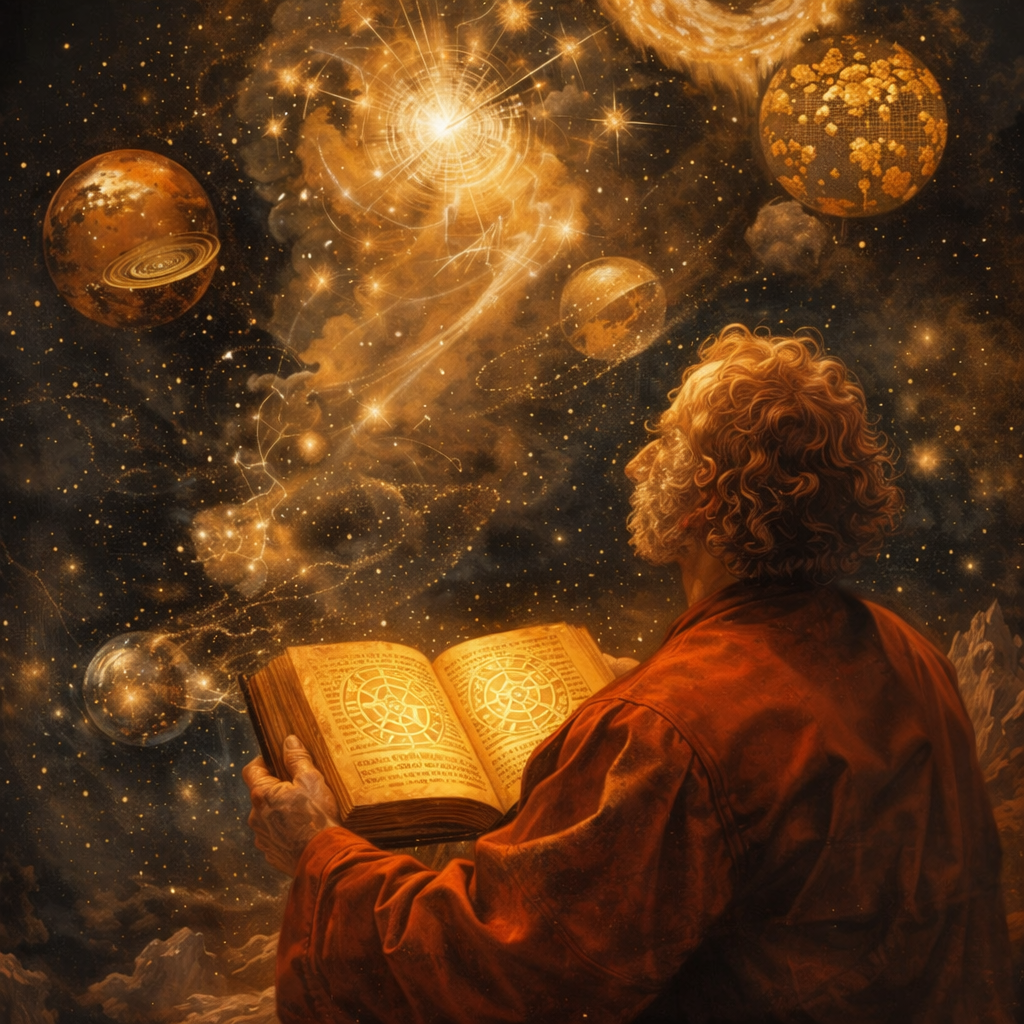

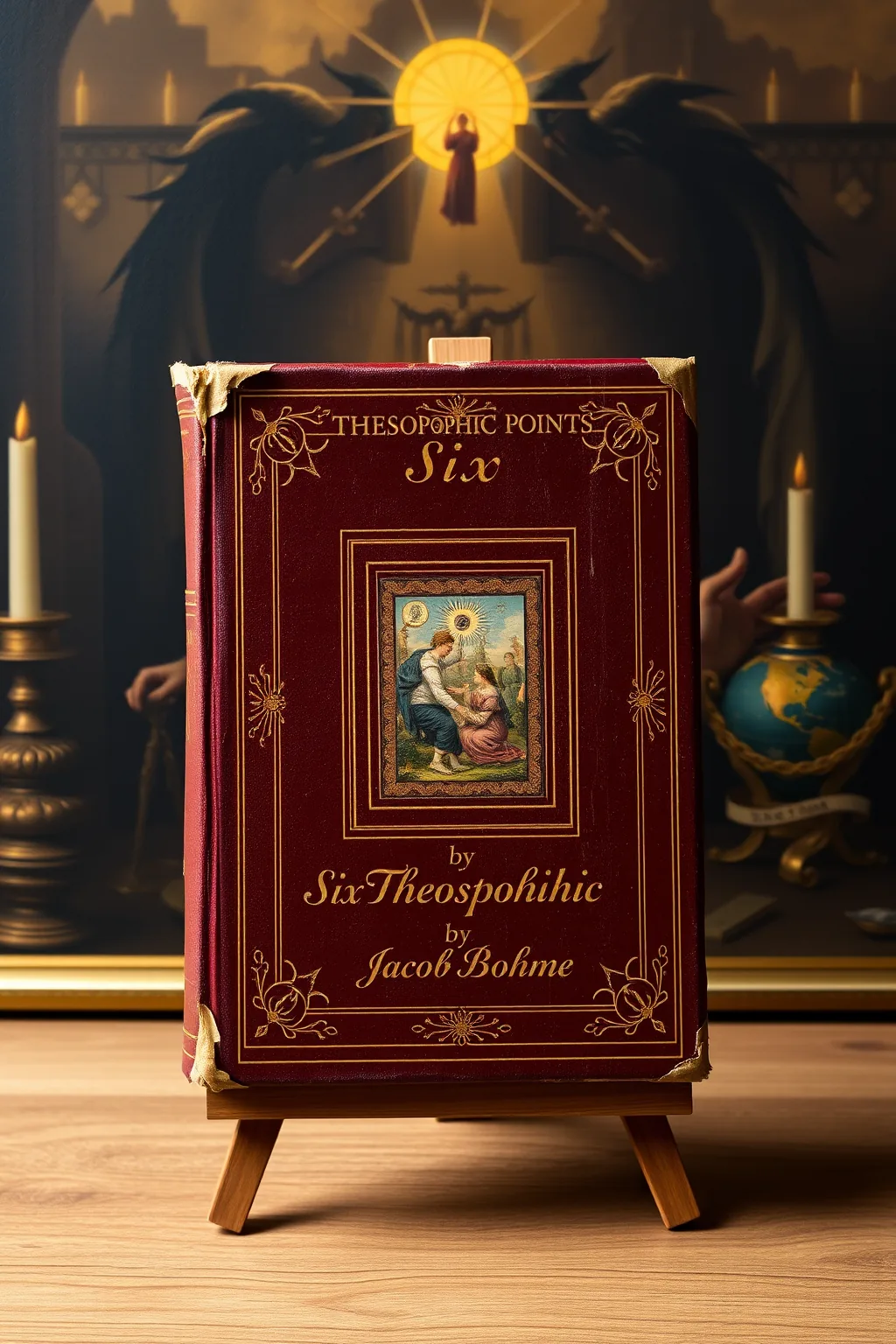
'Six Theosophic Points And Other Writings' by Jacob Bohme is a treasure trove of esoteric wisdom that continues to resonate with modern seekers. Bohme's profound insights into the nature of the divine and the human soul are as relevant today as they were in the 17th century. His use of symbolic language and metaphysical concepts makes this text a challenging but rewarding read. For those interested in Theosophy and Anthroposophy, Bohme's work provides a historical foundation and a rich source of spiritual contemplation. The book's dense prose requires patience and an open mind, but the rewards are immense. It is a must-read for anyone serious about exploring the deeper dimensions of spirituality and mysticism.
📝 Description
81
Jacob Bohme published 'Six Theosophic Points' in 1624, detailing his unique mystical philosophy.
Jacob Bohme's 'Six Theosophic Points and Other Writings' presents a complex vision of creation and divine nature. The work attempts to describe the origin of good and evil, the fall of Lucifer, and the subsequent state of the world. Bohme uses allegorical language and Neoplatonic concepts, filtered through his own Christian mystical experience, to articulate these ideas. He posits a fundamental duality within God, a divine abyss that contains all possibilities before manifestation. The text details how this primordial unity fractured, leading to the material world and the presence of suffering.
This collection also includes other significant writings from Bohme, such as 'The Clavis' and excerpts from 'Mysterium Magnum.' These pieces further elaborate on his system, discussing the properties of nature, the soul's relationship to the divine, and the process of spiritual regeneration. Bohme's aim was not mere speculation but a revelation of divine truth, aiming to guide the reader toward an understanding of God's hidden workings and the path back to spiritual unity. The writings reflect a deep engagement with alchemical symbolism and Gnostic ideas, reinterpreted through a Lutheran lens.
Jacob Bohme stands as a central figure in Western esotericism, bridging late medieval mysticism with early modern hermetic and alchemical traditions. His work emerged from a Lutheran Pietist background but departed significantly, incorporating Neoplatonic cosmology and Gnostic themes. Bohme's unique conceptual framework, particularly his understanding of divine duality and the 'Ungrund' or abyss, influenced subsequent generations of mystics, Rosicrucians, and esoteric thinkers across Europe. He sought to reveal a hidden order within creation, accessible through spiritual insight rather than solely through scripture or reason.
💡 Why Read This Book?
Reading 'Six Theosophic Points And Other Writings' today offers a unique opportunity to connect with the esoteric traditions of the past. This book provides a deep understanding of mystical and philosophical concepts that can enrich one's spiritual journey. Bohme's insights into the divine and the human condition are timeless, making this text a valuable resource for modern seekers. By engaging with Bohme's work, readers can gain a deeper appreciation for the esoteric traditions and their relevance in contemporary spirituality.
⭐ Reader Reviews
Honest opinions from readers who have explored this book.
❓ Frequently Asked Questions
What is the historical significance of 'Six Theosophic Points And Other Writings'?
This book is a foundational text in Theosophy and Anthroposophy, offering deep insights into the esoteric traditions of the 17th century. It provides a historical context for modern spiritual practices and beliefs.
Is this book suitable for beginners in esoteric studies?
While the book is dense with symbolic language and metaphysical concepts, it is a valuable resource for those serious about exploring the deeper dimensions of spirituality and mysticism.
What themes does Jacob Bohme explore in this book?
Key themes include the nature of God, the soul, and the divine spark within all beings. Bohme's work delves into the mystical underpinnings of existence, presenting a unique blend of spiritual and philosophical thought.
🔮 Key Themes & Symbolism
Divine Knowledge
Jacob Bohme's writings delve deeply into the nature of divine knowledge, exploring the mystical truths that lie beneath the surface of everyday reality. This theme is central to his exploration of theosophy and anthroposophy, offering readers a pathway to spiritual enlightenment.
Symbolism and Hidden Knowledge
Bohme's work is rich in symbolism, using hidden knowledge to reveal the interconnectedness of all existence. This theme is particularly evocative, inviting readers to explore the intricate web of relationships between the material and spiritual realms.
Interconnectedness of Existence
One of the most profound themes in Bohme's writings is the interconnectedness of all existence. This theme highlights the unity of the divine and human experience, providing readers with a deeper understanding of the cosmos and their place within it.
💬 Memorable Quotes
Direct passages from the work, attributed to the author.
“True wisdom is hidden in the depths of the heart.”
— Bohme suggests that spiritual enlightenment comes from within, inviting readers to explore their inner selves.
“Symbolism is the language of the soul.”
— Bohme's exploration of symbolism reveals the mystical underpinnings of reality, offering readers a pathway to spiritual insight.
💡 Key Ideas
Editorial paraphrase of the work's core concepts — not direct quotes.
The soul is the essence of all things.
This quote underscores the interconnectedness of all existence, emphasizing the soul's central role.
The divine spark within us is the key to understanding the universe.
This quote highlights the divine-human connection, guiding readers towards a deeper understanding of the cosmos.
The path to enlightenment is a journey of the heart and mind.
This quote emphasizes the holistic nature of spiritual growth, integrating both emotional and intellectual aspects.
🌙 Esoteric Significance
Tradition
This book belongs to the Hermetic tradition, which emphasizes the pursuit of hidden knowledge and the interconnectedness of all existence. Bohme's writings are a proof of this tradition, offering useful insights into the mystical underpinnings of reality.
Symbolism
Key symbols in Bohme's writings include the divine spark within the human soul, the interconnectedness of all existence, and the exploration of the labyrinth of the human psyche. These symbols are central to his esoteric teachings, providing a collection of mystical and philosophical wisdom.
Modern Relevance
This book remains relevant today for modern practitioners seeking to understand the mystical and esoteric traditions that have shaped Western thought. Bohme's insights into the nature of the divine and the human experience continue to inspire seekers and scholars alike.
👥 Who Should Read This Book
This book is ideal for beginners interested in exploring theosophy and anthroposophy, as well as scholars seeking a deeper understanding of esoteric traditions. Spiritual seekers will find rich insights into the mystical underpinnings of reality, while practitioners of esoteric traditions will appreciate Bohme's profound exploration of symbolism and hidden knowledge.
📜 Historical Context
Jacob Bohme wrote 'Six Theosophic Points And Other Writings' during a time of religious and philosophical upheaval in the early 17th century. His works were influential in shaping theosophic and anthroposophic thought, providing a mystical perspective that challenged the prevailing religious doctrines of the time. Bohme's writings have had a lasting impact on Western esoteric traditions, inspiring generations of seekers and scholars to explore the less-obvious layers of divine knowledge.
📔 Journal Prompts
Reflect on the concept of the divine spark within you. How does this idea influence your spiritual journey?
Explore the interconnectedness of all existence. How does this theme resonate with your own experiences?
Consider the role of symbolism in Bohme's writings. How does this symbolism speak to your soul?
How does Bohme's exploration of the human psyche compare to your own understanding of the self?
Think about the journey of the heart and mind in spiritual enlightenment. How can you integrate both aspects into your practice?
🗂️ Glossary
Theosophy
The study of divine wisdom and its relationship to the human experience.
Anthroposophy
A philosophical and spiritual tradition that seeks to understand the essence of humanity.
Esoteric
Relating to knowledge that is hidden or only accessible to a select few.
Symbolism
The use of symbols to convey deeper meanings and mystical truths.
Divine Spark
The idea that there is a divine essence within every human soul.
This book appears in 2 collections
🔮 Readers Also Liked
Browse all →







From the “Theosophy” Collection
View all →






More Free Theosophy & Anthroposophy Books
View all →