Simply Meditation
 84
84

Simply Meditation
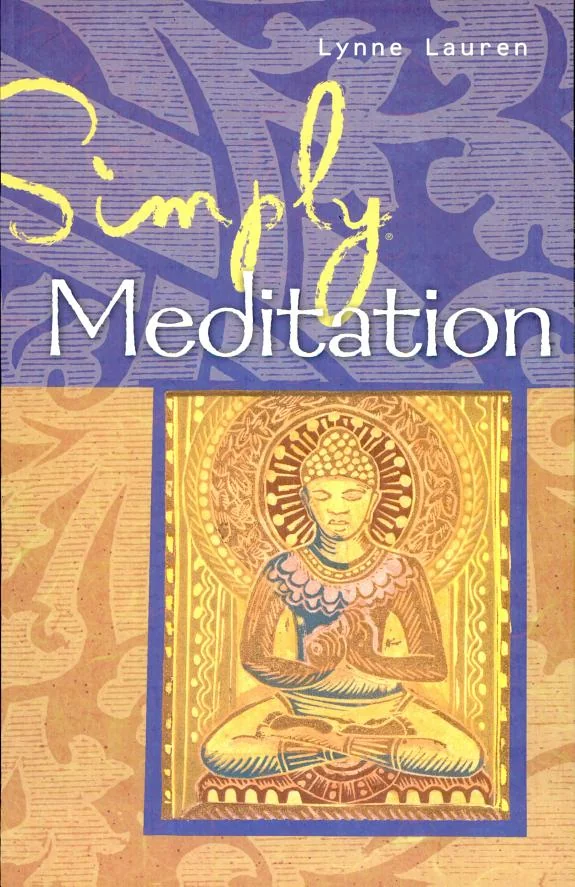
Lynne Lauren's "Simply Meditation" is a commendably straightforward guide, a welcome antidote to the often over-intellectualized discourse surrounding meditation. Its strength lies in its unpretentious, step-by-step methodology, which effectively disarms the intimidation factor for newcomers. The early chapters, detailing the selection of a "quiet place" and the basic posture, are particularly well-executed. However, the exploration of "psychic and religious connections" feels somewhat superficial, lacking the depth one might expect from a more advanced text. A passage discussing the use of a simple mantra, while functional, could benefit from more nuanced exploration of its energetic impact. Despite this limitation, the book serves its purpose admirably as an introductory primer.
📝 Description
84
Lynne Lauren's 2010 book, Simply Meditation, offers a clear path to mental quietude.
Simply Meditation presents a straightforward method for achieving mental stillness, especially for individuals new to the practice. The book breaks down the core components of meditation, making techniques that often seem complicated much easier to understand. Lauren guides readers on how to create a suitable space for meditation, how to improve focus, and introduces different ways to meditate.
This book is specifically written for beginners who want practical, easy-to-follow instructions for incorporating meditation into their daily routines. It is suited for people feeling stressed by everyday life and looking for simple ways to find inner peace and mental clarity. Readers interested in the subtle connections between meditation and spiritual or energetic experiences will also find useful material here.
Published in 2010, Simply Meditation arrived as the cultural interest in mindfulness grew, often separate from its traditional spiritual origins. While meditation has ancient roots, the early 21st century saw a rise in secular applications. Lauren's work fits this trend by simplifying contemplative practices for a wider audience, echoing the accessibility efforts seen with programs like Jon Kabat-Zinn's MBSR from the late 20th century.
💡 Why Read This Book?
• You will learn to establish a personal meditation space and understand the significance of "choosing a location" as detailed in the book, creating a dedicated zone for your practice. • You will gain practical methods for "focusing your mind," a key element discussed, equipping you with techniques to manage distractions and anchor your attention. • You will be introduced to "various mediation methods, symbols, and psychic and religious connections," offering a foundational understanding of the diverse landscape of meditation beyond basic breathing exercises.
⭐ Reader Reviews
Honest opinions from readers who have explored this book.
❓ Frequently Asked Questions
What is the "Simply(R) series" mentioned in the book's context?
The "Simply(R) series" is a collection of introductory guides designed for beginners, covering various topics with a focus on clear, accessible instruction. "Simply Meditation" is one entry within this accessible series, aiming to simplify complex subjects.
When was "Simply Meditation" first published?
The book "Simply Meditation" by Lynne Lauren was first published in 2010, positioning it within the early 21st-century wave of popularization for mindfulness and contemplative practices.
What kind of meditation methods are covered?
The book covers "various mediation methods," including foundational techniques for focusing the mind and breath awareness, alongside introductions to different styles and the use of simple symbols.
Does the book require prior meditation experience?
No, "Simply Meditation" is explicitly designed for beginners. It takes readers through the essential steps from setting up a space to practicing different meditation techniques.
What are "psychic and religious connections" in the context of meditation?
In this book, "psychic and religious connections" refer to the potential for meditation to open practitioners to subtle energies, intuitive insights, and spiritual dimensions, explored from an introductory perspective.
Are the meditations in the book time-consuming?
The book emphasizes accessibility, noting that "many of the meditations are quick and easy," suggesting that readers can integrate short, effective practices into busy schedules.
🔮 Key Themes & Symbolism
Foundational Stillness
The core of Simply Meditation lies in its systematic breakdown of establishing a personal practice. It guides the novice through selecting an appropriate "quiet place," emphasizing the environmental factors conducive to inner calm. This foundational aspect is crucial, as it grounds the more abstract concepts of mental focus and spiritual exploration in a tangible, physical reality. The book treats the setting not merely as background but as an active participant in cultivating the meditative state, preparing the mind and body for deeper engagement.
Mindful Focus Techniques
Lauren addresses the common challenge of a wandering mind by presenting practical methods for "focusing your mind." This involves techniques such as breath awareness, where the simple act of observing inhales and exhales becomes an anchor. The book also introduces the use of "symbols" as focal points, providing tangible objects or mental images to help steady attention. This approach offers beginners concrete tools to manage mental chatter and cultivate a more concentrated state, essential for progressing in meditation.
Exploration of Connections
Beyond basic concentration, Simply Meditation touches upon the broader implications of the practice. It explores "psychic and religious connections," suggesting how meditation can serve as a gateway to understanding subtler aspects of consciousness and spirituality. This section opens the door for readers to consider meditation not just as a stress-relief tool but as a path toward self-discovery and connection with broader energetic or divine principles, acknowledging its many-sided potential.
Accessible Esotericism
The book positions itself within the "Simply(R) series," indicating a commitment to clarifying complex subjects. In the field of esoteric philosophy, this means presenting concepts typically associated with advanced spiritual traditions in a digestible format. It aims to make the esoteric accessible, bridging the gap between ancient wisdom and the modern seeker by simplifying language and offering "quick and easy" meditations, thereby lowering the barrier to entry for those curious about deeper spiritual inquiry.
💬 Memorable Quotes
Direct passages from the work, attributed to the author.
“Many of the meditations are quick and easy.”
— This statement highlights the book's practical orientation, reassuring beginners that incorporating meditation into a busy life is achievable without demanding excessive time commitments.
“Choosing a location and focusing your mind.”
— This phrase captures the initial, fundamental steps of meditation, emphasizing the importance of both the external environment and internal mental discipline for successful practice.
“Various mediation methods, symbols, and psychic and religious connections.”
— This lists the diverse elements the book explores, indicating a comprehensive yet introductory overview of different techniques, focal aids, and the spiritual dimensions of meditation.
“In this hectic world, we all need a moment to calm and re-center our minds and bodies.”
— This opening sentiment captures the core motivation for seeking meditation, acknowledging the universal need for respite and balance in contemporary life.
💡 Key Ideas
Editorial paraphrase of the work's core concepts — not direct quotes.
Meditation provides a natural way to... open ourselves to the positive influences that surround us each day.
This paraphrase suggests meditation's role in enhancing receptivity to beneficial energies and opportunities, framing it as a practice that cultivates positive awareness and connection with the environment.
🌙 Esoteric Significance
Tradition
While not explicitly aligning with a single esoteric lineage, "Simply Meditation" draws from the broad stream of contemplative practices found across various spiritual traditions, including Eastern mysticism and Western meditative disciplines. It acts as a gateway, introducing concepts that are foundational to many esoteric paths, such as cultivating inner stillness, heightened awareness, and exploring subtle energetic states. The work departs from strict traditionalism by focusing on accessibility and secular application, aiming to serve as an initial step for those curious about deeper spiritual or psychic exploration without demanding adherence to specific doctrines.
Symbolism
The book references the use of "symbols" as tools for concentration. In many esoteric traditions, symbols are not merely decorative but are considered active conduits of meaning and energy. For instance, a simple geometric shape like a circle can represent unity or wholeness, while a specific image might evoke particular divine qualities or cosmic principles. The book's approach to symbols is introductory, suggesting their function in stabilizing the mind and potentially opening it to symbolic interpretation, which is a key practice in Hermeticism and Kabbalah for understanding the manifest and unmanifest worlds.
Modern Relevance
The principles outlined in "Simply Meditation" remain highly relevant today, resonating with contemporary interest in mindfulness, mental wellness, and personal development. Modern practitioners of yoga, secular mindfulness programs, and even those exploring energy healing modalities often begin with the foundational techniques described in this book. Thinkers and practitioners focused on stress management, cognitive enhancement through meditation, and the integration of contemplative practices into daily life continue to benefit from its straightforward guidance, making it a persistent resource for newcomers to the field.
👥 Who Should Read This Book
['• Absolute beginners to meditation seeking a clear, step-by-step introduction to fundamental techniques and concepts.\n• Individuals feeling overwhelmed by daily stress who need practical, accessible methods for finding calm and mental clarity.\n• Those curious about the spiritual or psychic dimensions of meditation but unsure where to start, looking for an entry-level exploration.', '• Students of comparative religion interested in understanding the secularized application of ancient contemplative practices in the 21st century.\n• Wellness enthusiasts looking to supplement physical health routines with accessible mental and emotional well-being tools.\n• Busy professionals needing short, effective meditation exercises that can be integrated into a demanding schedule.', '• Readers familiar with the "Simply(R) series" seeking to understand the basic principles of meditation within that accessible framework.\n• Anyone looking for a non-dogmatic approach to meditation that emphasizes personal experience and practical application over rigid philosophical adherence.']
📜 Historical Context
Published in 2010, "Simply Meditation" emerged during a period of significant popularization for mindfulness and contemplative practices. The early 21st century witnessed a burgeoning interest in meditation, moving beyond its traditional religious and philosophical contexts into secular applications for stress reduction and well-being. This era saw a proliferation of accessible guides, influenced by the groundwork laid by figures like Jon Kabat-Zinn and his Mindfulness-Based Stress Reduction (MBSR) program, which gained traction in the late 20th century. Lauren's work fits within this trend, offering a simplified entry point. It contrasts with more traditional, in-depth explorations of meditation found in Buddhist or Hindu scriptures, which often require years of dedicated study. While not directly engaging with academic debates, the book implicitly participated in the broader cultural movement that sought to integrate Eastern contemplative techniques into Western lifestyles, often prioritizing practical outcomes over deep philosophical immersion.
📔 Journal Prompts
The "quiet place" as a foundation for mental stillness.
Focusing your mind: identifying your primary anchor technique.
Reflecting on the "positive influences" meditation aims to reveal.
Exploring the use of "symbols" in your personal practice.
Connecting the "hectic world" with the need for inner calm.
🗂️ Glossary
Meditation
A practice where an individual uses a technique – such as mindfulness, or focusing the mind on a particular object, thought, or activity – to train attention and awareness, and achieve a mentally clear and emotionally calm and stable state.
Focusing your mind
The process of directing and sustaining mental attention on a chosen object, thought, or sensation, often involving techniques to manage distractions and cultivate concentration.
Symbols
In meditation, these can be visual objects, mental images, or sounds used as focal points to aid concentration and potentially unlock deeper layers of meaning or awareness.
Psychic connections
Refers to the potential for meditation to enhance intuition, awareness of subtle energies, or perceived connections beyond the ordinary five senses.
Religious connections
The aspect of meditation that may align with or explore spiritual beliefs, divine presence, or aspects of religious traditions, viewed from an introductory perspective.
Re-center
To restore balance and mental equilibrium, particularly after experiencing stress, distraction, or emotional turmoil, often achieved through meditative practices.
Calm
A state of mental tranquility and peace, free from agitation or disturbance, which meditation aims to cultivate.
This book appears in 1 collection
🔮 Readers Also Liked
Browse all →









From the “Clairsentience” Collection
View all →







More Free Occult Philosophy Books
View all →