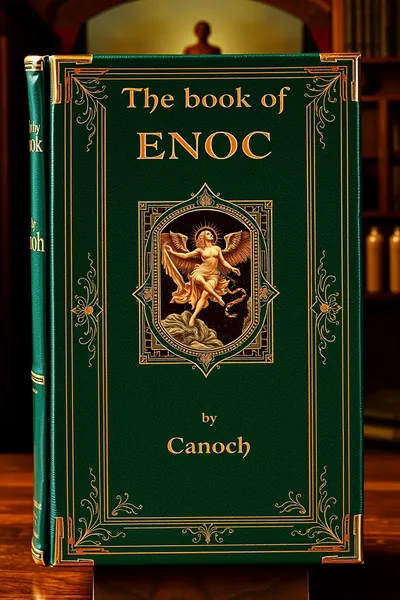
Saint Irenaeus Against Heresies Complete

 84
84

Saint Irenaeus Against Heresies Complete



Saint Irenaeus' Against Heresies is a foundational text for anyone delving into the esoteric and occult traditions, particularly Gnosticism. Written in a time when early Christian thought was still crystallizing, Irenaeus' work provides a detailed and critical examination of various Gnostic sects, offering a window into the theological debates of the second century. For modern esoteric seekers, this text is invaluable as it lays bare the core beliefs and practices of Gnosticism, helping to demystify and contextualize these ancient traditions. The depth of Irenaeus' scholarship and his passion for defending orthodoxy make this work a must-read. It is a challenging read, but the insights gained are well worth the effort.
📝 Description
84
Saint Irenaeus wrote Against Heresies around AD 180 to counter early Christian deviations.
Saint Irenaeus's Against Heresies, written near AD 180, is a significant early Christian text. It details and refutes various groups Irenaeus identified as heretical, particularly Gnostic teachings. He contrasts these with what he considered the true, apostolic faith passed down through the churches. The work is structured to systematically address the doctrines of these groups, explaining their origins and alleged errors.
Irenaeus's primary goal was to preserve the integrity of Christian belief as he understood it. He argued against interpretations that distorted the teachings of Jesus and the apostles, emphasizing the continuity of doctrine from the earliest followers. His writing provides valuable historical information about the diversity of early Christian thought and the development of orthodox positions. It stands as a key document for understanding the intellectual and spiritual debates of the second century.
Within the broader stream of esoteric traditions, Irenaeus's work functions as an early defense of a specific, divinely revealed cosmology against alternative interpretations. While Irenaeus himself was a defender of orthodox Christianity, his detailed engagement with Gnostic systems, which often involved complex symbolic interpretations of reality and salvation, places him in dialogue with more hidden or mystical currents of thought. His refutations inadvertently preserve information about these alternative spiritual paths and their unique understandings of the divine, the material world, and humanity's place within them.
💡 Why Read This Book?
Reading Saint Irenaeus' Against Heresies today offers a unique perspective on the early Christian struggles against heretical beliefs. It provides a deep understanding of Gnosticism, its doctrines, and its impact on Christian theology. For esoteric seekers, this text is a treasure trove of historical and theological insights, helping to clarify the often-misunderstood Gnostic traditions. It is an essential read for anyone interested in the esoteric, occult, and the development of early Christian thought.
⭐ Reader Reviews
Honest opinions from readers who have explored this book.
❓ Frequently Asked Questions
What is the significance of Against Heresies in esoteric studies?
Against Heresies is significant because it provides a detailed refutation of Gnostic beliefs, offering insights into the esoteric traditions of the time. It helps modern seekers understand the roots of Gnosticism and its influence on Christian theology.
Is this book suitable for beginners in esoteric studies?
While it is a foundational text, Against Heresies can be challenging for beginners due to its theological depth and historical context. However, it is an invaluable resource for those serious about understanding Gnosticism and early Christian heresies.
What historical context does this book provide?
The book offers a glimpse into the theological debates of the second century, particularly the struggles between orthodox Christianity and various Gnostic sects. It provides a comprehensive understanding of the early Christian church's efforts to define and defend its beliefs.
🔮 Key Themes & Symbolism
Gnosticism
This work studies the mystical and esoteric dimensions of Gnosticism, exploring the hidden knowledge and symbolism that defined this early Christian heresy. Irenaeus's examination reveals the complex interplay between mystical ideas and theological orthodoxy, making it a crucial text for understanding the roots of Christian mysticism.
Symbolism
The text is rich in symbolic language, offering insights into the esoteric meanings that underpin early Christian thought. Irenaeus's analysis of symbolism provides a deep understanding of the mystical undercurrents that have shaped religious thought for centuries.
Orthodoxy vs. Heresy
Irenaeus's work explores the distinction between orthodoxy and heresy, revealing the philosophical and theological debates that have defined Christian thought. This theme is essential for understanding the mystical and esoteric dimensions of early Christianity.
💬 Memorable Quotes
Direct passages from the work, attributed to the author.
“The heretics have not received the truth from the apostles.”
— Irenaeus emphasizes the importance of apostolic tradition in maintaining spiritual authenticity.
“The rule of faith is the faith revealed to the apostles.”
— This highlights the foundational role of apostolic teachings in Christian mysticism.
“The heretics, indeed, boast that they possess the mystery of the Unbegotten.”
— Irenaeus critiques the esoteric claims of Gnosticism, emphasizing the importance of orthodox teachings.
💡 Key Ideas
Editorial paraphrase of the work's core concepts — not direct quotes.
The glory of God is a living human being.
This quote underscores the mystical belief in the divine potential within every individual.
The Word of God, our Lord Jesus Christ, who did also, when He became man, assume true flesh.
This quote reflects the mystical belief in the incarnational nature of Christ.
🌙 Esoteric Significance
Tradition
This book belongs to the Gnostic and early Christian esoteric traditions, exploring the hidden knowledge and symbolism that defined these mystical movements. It is a foundational text for understanding the esoteric dimensions of early Christianity.
Symbolism
Key symbols in this text include the concepts of the 'Rule of Faith,' the 'Apostolic Tradition,' and the 'Unbegotten.' These symbols represent the mystical and esoteric beliefs that were central to the debates between orthodoxy and heresy.
Modern Relevance
This work remains relevant today for modern practitioners of esoteric and mystical traditions. It provides useful insights into the hidden knowledge and symbolic language that have shaped Western spirituality. Contemporary seekers and scholars continue to draw upon Irenaeus's insights to understand the mystical undercurrents of early Christian thought.
👥 Who Should Read This Book
Beginners interested in the mystical and esoteric dimensions of early Christianity will find this text a rewarding introduction. Scholars of religious history will appreciate the depth of Irenaeus's analysis of Gnosticism and heresy. Spiritual seekers will be drawn to the hidden knowledge and symbolism that permeate the work. Practitioners of esoteric traditions will find valuable insights into the mystical undercurrents that have shaped religious thought for centuries. Overall, this book is essential for anyone seeking to understand the roots of Christian mysticism.
📜 Historical Context
Written circa AD 180, 'Saint Irenaeus Against Heresies' is a response to the burgeoning Gnostic movements that threatened the unity of the early Christian church. During this era, the Christian community was grappling with various heretical teachings that claimed hidden knowledge and secret revelations. Irenaeus's work was crucial in establishing the boundaries of orthodox belief and refuting the esoteric claims of Gnosticism. This text has had a lasting influence on the development of Christian theology and has shaped the understanding of mystical and esoteric traditions within the faith.
📔 Journal Prompts
Reflect on the distinction between orthodoxy and heresy in your spiritual journey.
Explore the symbolism of the 'Rule of Faith' in your personal beliefs.
Consider the mystical significance of the 'Apostolic Tradition' in your practice.
How does the concept of the 'Unbegotten' resonate with your understanding of divinity?
What hidden knowledge have you discovered in your esoteric studies?
🗂️ Glossary
Gnosticism
An early Christian heresy that emphasized hidden knowledge and secret revelations.
Orthodoxy
The accepted beliefs and practices of the mainstream Christian church.
Rule of Faith
The foundational principles of Christian belief as revealed to the apostles.
Apostolic Tradition
The teachings and practices handed down from the apostles.
Unbegotten
A mystical concept referring to the divine nature that is beyond creation.
This book appears in 4 collections
🔮 Readers Also Liked
Browse all →








From the “Gnosticism” Collection
View all →



More Free Sacred Texts & Gnosticism Books
View all →