Pagan and Christian Rome
 83
83

Pagan and Christian Rome



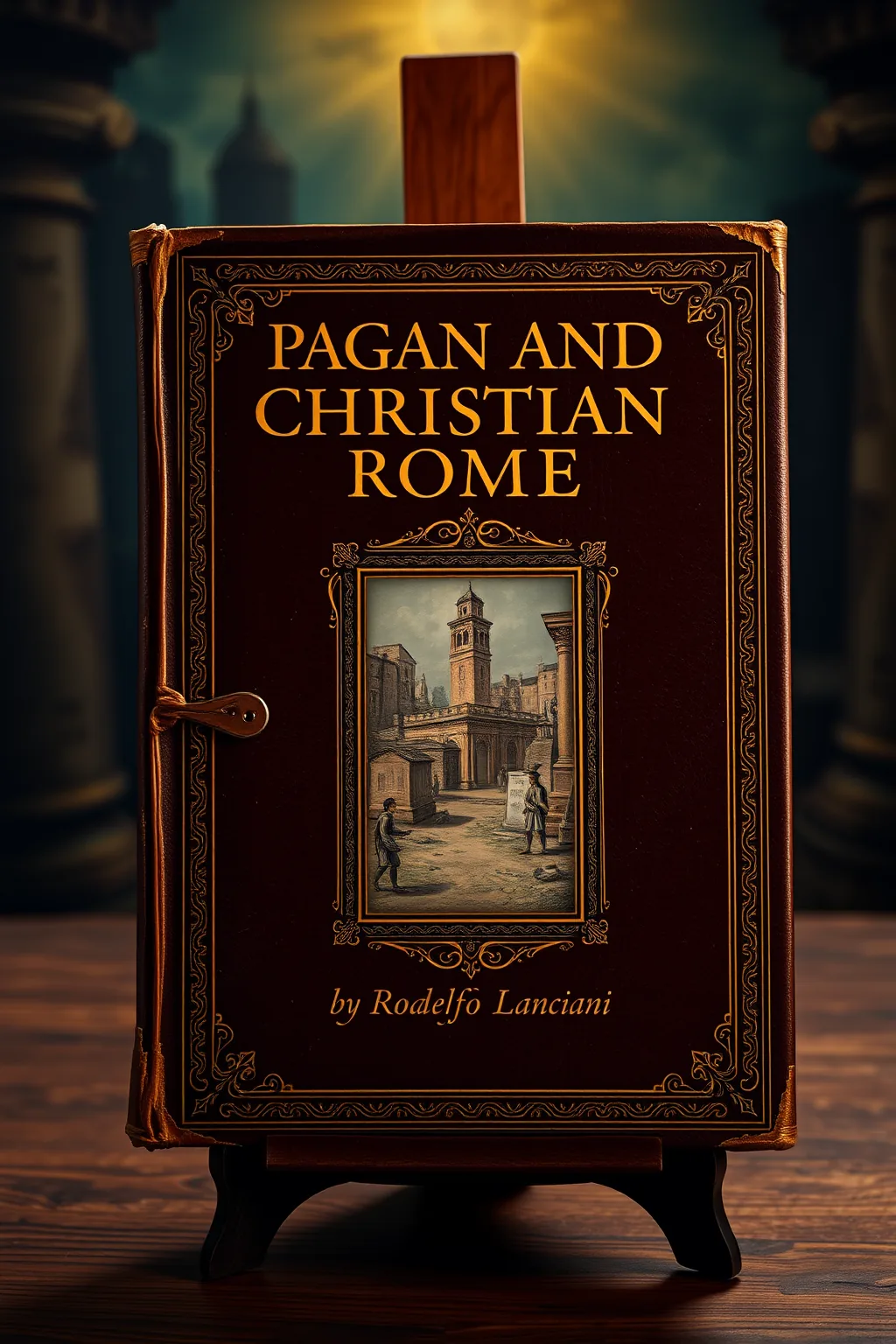
'Pagan and Christian Rome' by Rodolfo Lanciani is a masterful exploration of the religious landscape of ancient Rome. Published in 1893, this book remains a vital resource for modern esoteric seekers and historians alike. Lanciani's meticulous research and detailed descriptions bring the past to life, making it an invaluable tool for understanding the complexities of pagan and Christian interactions. The book's focus on tombs and cemeteries provides a unique lens through which to view the evolution of religious practices, offering insights into the symbolic and architectural significance of these sites. For those interested in witchcraft and paganism, 'Pagan and Christian Rome' offers a wealth of information on how ancient beliefs and practices persisted and transformed in the face of Christian influence. Lanciani's work is not just a historical account but a journey into the esoteric heart of Rome, making it a must-read for anyone fascinated by the occult and the hidden histories of religion.
📝 Description
83
Rodolfo Lanciani's 1892 book examines the overlap between pagan and Christian Rome.
Published in 1892, Rodolfo Lanciani's 'Pagan and Christian Rome' investigates the layers of belief and practice in the ancient city. Lanciani, an archaeologist, uses his expertise to detail the physical remnants of Roman life, from its earliest pagan cults through its conversion to Christianity. He looks closely at the symbolism found in tombs, churches, and public spaces, suggesting a continuity of certain ideas even as official religions changed. The book considers the architectural evidence and inscriptions to reconstruct the spiritual atmosphere of Rome during this transition. It is a detailed account of how ancient traditions were adapted or replaced, and how traces of the old faith persisted.
Lanciani approaches the subject with the meticulousness of a scholar but writes with a narrative style that draws the reader into the historical period. He does not shy away from the esoteric aspects, seeking the hidden meanings and connections that might be missed by a purely historical survey. The work aims to show how the city itself, through its monuments and sacred sites, tells a story of spiritual evolution. It is a deep dive into the material culture of Rome as it relates to its religious and philosophical transformations.
This work fits into a tradition of scholarship that looks beyond official doctrines to understand the popular beliefs and hidden continuities within religious history. Lanciani's focus on symbolism and the persistence of older ideas within new frameworks aligns with esoteric interests in the deeper currents of human spirituality. It reflects an approach that sees sacred sites and artifacts as holding layers of meaning, accessible through careful study and interpretation. The book is for those who seek to understand how ancient pagan elements might have informed or coexisted with early Christian practices, revealing a more complex spiritual landscape than simple historical accounts suggest.
✍️ Author
Rodolfo Lanciani
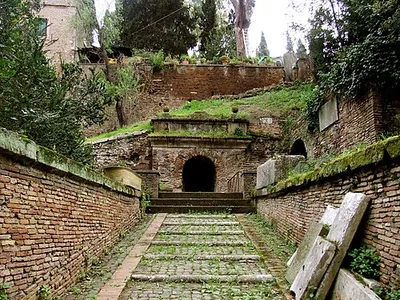
The Roman Forum (Italian: Foro Romano), also known by its Latin name Forum Romanum, is a rectangular forum (plaza) surrounded by the ruins of several important ancient government buildings at the centre of the city of Rome. Citizens of the ancient city ref…
💡 Why Read This Book?
Reading 'Pagan and Christian Rome' today offers a deep dive into the esoteric and occult aspects of ancient Roman religion. This book provides a comprehensive understanding of how pagan and Christian beliefs coexisted and influenced each other, particularly through the study of tombs and cemeteries. For modern esoteric seekers, it offers a unique perspective on the enduring power of ancient rituals and symbols, and how they continue to shape religious practices today. Whether you are a historian, an archaeologist, or simply curious about the occult, this book will enrich your knowledge and deepen your appreciation for the complex religious history of Rome.
⭐ Reader Reviews
Honest opinions from readers who have explored this book.
❓ Frequently Asked Questions
What is the main focus of 'Pagan and Christian Rome'?
'Pagan and Christian Rome' focuses on the religious history of ancient Rome, particularly the interplay between pagan and Christian beliefs and practices, as evidenced through tombs and cemeteries.
Who would benefit from reading this book?
This book is ideal for historians, archaeologists, and anyone interested in the esoteric and occult, as it provides detailed insights into the religious landscape of ancient Rome.
What makes this book unique?
The book's unique focus on tombs and cemeteries offers a fresh perspective on the evolution of religious practices and the symbolic significance of these sites in ancient Rome.
🔮 Key Themes & Symbolism
Spiritual Transformation
The book explores the mystical journey of Rome's religious evolution, exploring how the city's spiritual landscape transformed from paganism to Christianity. This theme highlights the esoteric and occult dimensions of this transformation, revealing the hidden knowledge and symbolism that underpin it.
Hidden Knowledge
Lanciani uncovers the esoteric traditions and hidden wisdom embedded in Rome's tombs and cemeteries, offering readers a profound exploration of the occult and mystical underpinnings of the city's religious history. This theme emphasizes the deep, spiritual currents that shaped Rome's sacred sites.
Symbolism and the Sacred
The book explores the strong symbolism found in Rome's religious landmarks, providing readers with a deeper understanding of the mystical and esoteric traditions that influenced the city's spiritual evolution. This theme invites readers to reflect on the profound significance of sacred symbols and their role in spiritual quests.
💡 Key Ideas
Editorial paraphrase of the work's core concepts — not direct quotes.
The tombs of Rome hold the secrets of the ancient world, whispering tales of hidden knowledge and mystical transformation.
This passage underscores the esoteric significance of Rome's tombs, inviting readers to explore the deeper spiritual currents that shaped the city's religious landscape.
In the transition from paganism to Christianity, Rome's sacred sites became repositories of occult wisdom and mystical symbolism.
This quote highlights the esoteric dimensions of Rome's religious evolution, emphasizing the hidden knowledge embedded in the city's spiritual landmarks.
The cemeteries of Rome are not just resting places for the dead but gateways to the mystical areas of the ancient world.
This passage invites readers to look at the mystical and occult aspects of Rome's cemeteries, revealing the deep spiritual significance of these sacred sites.
The symbols etched in Rome's tombs and cemeteries hold the key to understanding the city's mystical and esoteric heritage.
This quote underscores the importance of symbolism in the study of Rome's religious history, emphasizing the hidden knowledge and spiritual wisdom embedded in these sacred sites.
The transformation of Rome from pagan to Christian is a journey through the mystical and the occult, revealing the deep spiritual currents that shaped the city's religious landscape.
This passage invites readers to explore the esoteric dimensions of Rome's religious evolution, highlighting the profound significance of the city's spiritual transformation.
🌙 Esoteric Significance
Tradition
'Pagan and Christian Rome' belongs to the Hermetic tradition, examining the mystical and esoteric dimensions of ancient Rome's religious history. The book explores the hidden knowledge and occult symbolism embedded in the city's tombs and cemeteries, providing readers with a profound understanding of the esoteric traditions that influenced Rome's spiritual evolution.
Symbolism
Key symbols in the book include the mystical motifs found in Rome's tombs and cemeteries, which hold deep spiritual significance. These symbols often represent the hidden knowledge and esoteric wisdom that shaped the city's religious landscape, inviting readers to explore the profound mysteries of the ancient world.
Modern Relevance
Today, 'Pagan and Christian Rome' remains relevant for modern practitioners of the occult and seekers of esoteric knowledge. The book's exploration of hidden symbolism and mystical traditions provides valuable insights for those examining the deeper spiritual currents of ancient Rome, making it an essential read for contemporary spiritual quests.
👥 Who Should Read This Book
Beginners interested in the occult and esoteric traditions will find 'Pagan and Christian Rome' an accessible and enlightening introduction to the mystical dimensions of ancient Rome. Scholars of religious history will appreciate the book's meticulous research and esoteric insights, while spiritual seekers will be drawn to the profound philosophical reflections it offers. Practitioners of the occult will find valuable knowledge and symbolism to enhance their spiritual practices.
📜 Historical Context
Written in the late 19th century, 'Pagan and Christian Rome' by Rodolfo Lanciani emerged during a period of intense interest in the mystical and occult dimensions of ancient civilizations. The book was influential in shedding light on the esoteric traditions and hidden knowledge embedded in Rome's religious history. Lanciani's work has had a lasting impact on the study of religious symbolism and the occult, inspiring generations of scholars and seekers to explore the deeper spiritual currents that shaped the city's sacred sites.
📔 Journal Prompts
Reflect on the esoteric symbols you encounter in ancient tombs and cemeteries. What hidden knowledge do they reveal?
How does the transformation from paganism to Christianity in Rome influence your understanding of spiritual evolution?
Explore the mystical dimensions of sacred sites in your own community. What esoteric traditions do they hold?
Consider the role of hidden knowledge in your spiritual journey. How does it shape your understanding of the world?
Reflect on the philosophical significance of spiritual transformation. How does it apply to your own life?
🗂️ Glossary
Hermetic Tradition
An esoteric tradition focused on the mystical and occult dimensions of ancient wisdom, often associated with the teachings of Hermes Trismegistus.
Occult Symbolism
The study of hidden symbols and their mystical significance, often found in religious and spiritual contexts.
Esoteric Knowledge
Hidden or secret knowledge that is revealed only to initiates or seekers of deeper spiritual truths.
Sacred Sites
Places of profound spiritual significance, often associated with ancient religious practices and esoteric traditions.
Spiritual Evolution
The process of spiritual growth and transformation, often explored through the lens of mystical and occult traditions.
This book appears in 2 collections
🔮 Readers Also Liked
Browse all →





From the “Witchcraft” Collection
View all →





More Free Witchcraft & Paganism Books
View all →




![[ Heath, 2010] Switch How To Change Things When Change Is Hard](/img/thumb/heath-2010-switch-how-to-change-things-when-change-is-hard-c-heath-d-heath.webp)
![D. [i. e., Doktor] Balthasar Bekkers reformierten Predigers in Amsterdam bezauberte Welt. ... 1781: Vol 3 Iss 81](/img/thumb/d-i-e-doktor-balthasar-bekkers-reformierten-predigers-in-amsterdam-bezauberte-welt-1781-vol-3-iss-81-bekker-balthasar-1634-1698.webp)