New England Anti Masonic Almanac For The Year Of Our Lord 1830 1829

 72
72

New England Anti Masonic Almanac For The Year Of Our Lord 1830 1829

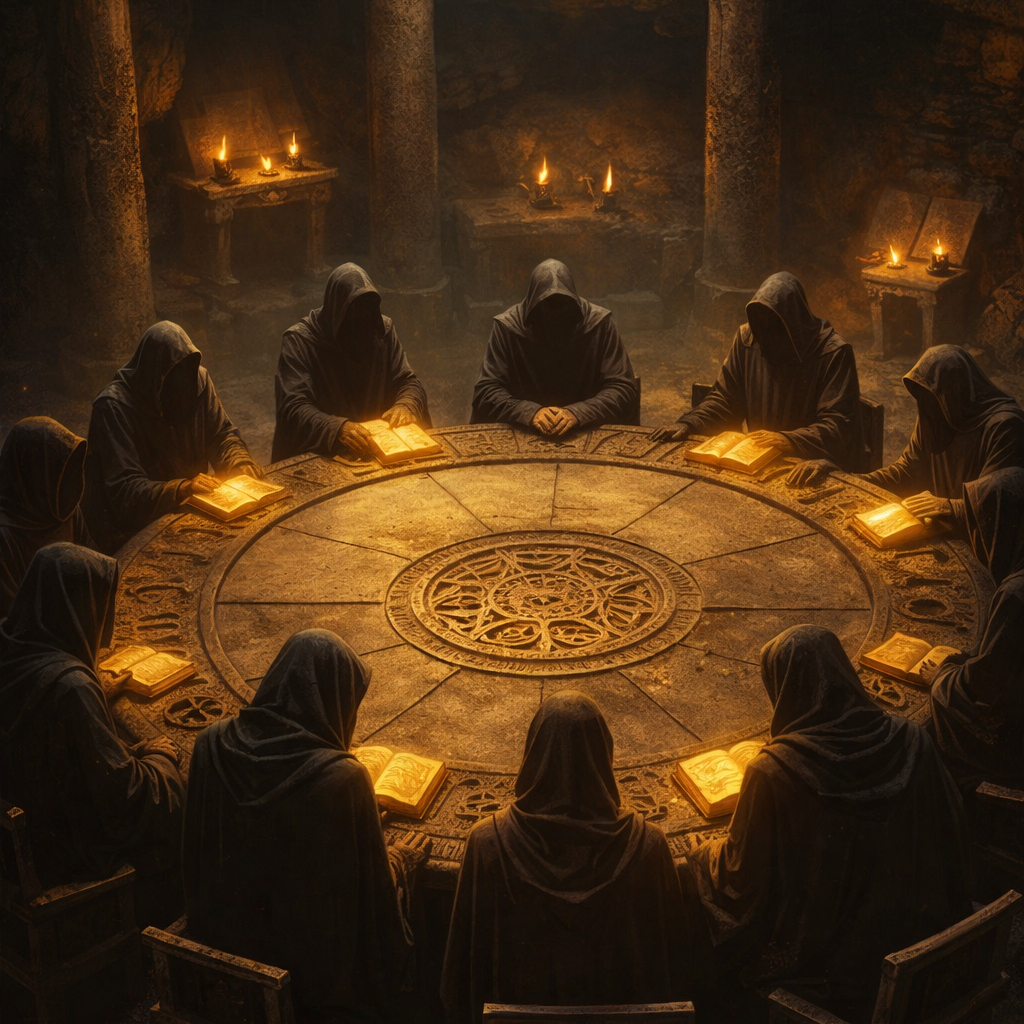

Lorelei Sage (Contemplative Literature Editor) — The 'New England Anti Masonic Almanac For The Year Of Our Lord 1830' is a rare and illuminating glimpse into the esoteric anxieties of early America. Beyond its calendrical functions, it reveals a potent undercurrent of suspicion towards Freemasonry, framed through a lens of hidden knowledge and perceived threats to societal order. Its value lies in its raw, unvarnished expression of public sentiment and its implicit commentary on the nature of secret societies. This is essential reading for scholars of Americana, occult history, and anyone intrigued by the psychological and philosophical underpinnings of anti-establishment movements.
📝 Description
72
Published in 1829, the New England Anti Masonic Almanac for 1830 details anxieties surrounding secret societies in early America.
The New England Anti Masonic Almanac for the Year of Our Lord 1830 is not simply a calendar; it is a record of a specific cultural moment. It reflects the intense public suspicion directed at Freemasonry during the late 1820s in New England. The almanac contains entries that reveal the fears and convictions of those who saw Masonic lodges as a threat to republican values and religious integrity.
It provides insight into the rhetoric and arguments used by the burgeoning anti-Masonic movement. Readers will find discussions on the perceived secrecy of the fraternity and its alleged influence on politics and society. The almanac functions as a primary source for understanding the fervor of the era, illustrating how anxieties about hidden power structures manifested in popular print.
This almanac sits within a tradition of popular literature that engaged with perceived hidden influences on society. While not a grimoire or a formal occult text, its focus on secret societies and hidden truths aligns with a broader interest in uncovering veiled power dynamics. The anti-Masonic fervor tapped into a public imagination concerned with concealed knowledge and its potential for manipulation, a theme common in various esoteric and conspiracy-minded writings throughout history.
💡 Why Read This Book?
Uncover the historical roots of suspicion towards secret societies and understand the esoteric anxieties that shaped early American discourse. This almanac offers a unique window into the symbolic language and philosophical debates of a bygone era, appealing to seekers of hidden knowledge, scholars of American history, and practitioners interested in societal control dynamics.
⭐ Reader Reviews
Honest opinions from readers who have explored this book.
❓ Frequently Asked Questions
What is the primary purpose of this almanac?
Beyond its function as a calendar for 1830, its primary purpose was to articulate and amplify anti-Masonic sentiment, highlighting perceived threats and fostering public distrust of the fraternity.
Who were the intended readers of this publication?
The intended readers were individuals in New England who harbored suspicions or outright opposition to Freemasonry, including those concerned with religious, moral, and political influence.
Does this almanac contain actual Masonic rituals or secrets?
No, it does not contain authentic Masonic rituals. Instead, it presents a critical, often polemical, perspective on Freemasonry from an anti-Masonic viewpoint.
What historical context is important for understanding this almanac?
It's crucial to understand the fervent religious climate, political upheavals, and the rise of popular movements in early 19th-century America, particularly the intense anti-Masonic fervor of the era.
Is this almanac a primary source for studying Freemasonry?
While not a primary source for understanding Masonic practices themselves, it is an invaluable primary source for studying the anti-Masonic movement, public perception, and societal fears surrounding secret societies.
🔮 Key Themes & Symbolism
The Shadow of Secrecy
This almanac explores the profound societal anxieties surrounding clandestine organizations and the perception of hidden power structures. It explores how secrecy, whether real or imagined, can fuel public apprehension and shape collective beliefs about influence and control. The text implicitly questions the transparency of institutions and the potential for veiled agendas to impact the common good, reflecting a deep-seated human concern with what lies beyond the visible veil.
Symbolism of Distrust
The anti-Masonic movement often employed potent symbolism to demonize Freemasonry, portraying it as a corrupting force. This almanac likely utilizes such symbolic language, framing Masonic tenets or supposed practices through a lens of moral decay and spiritual threat. Understanding this symbolic lexicon is key to deciphering the emotional and ideological underpinnings of the era's popular discourse, revealing how abstract fears are translated into tangible warnings.
The Esoteric Undercurrent
Beneath the surface of overt political and social commentary, this almanac touches upon the esoteric dimensions of societal anxieties. It speaks to a time when the perceived 'hidden knowledge' of secret societies was viewed with both fascination and dread. The publication reflects a cultural preoccupation with hidden truths, spiritual corruption, and the battle for the soul of the nation, suggesting that even secular conflicts can be imbued with profound metaphysical significance.
💬 Memorable Quotes
Direct passages from the work, attributed to the author.
“A shadow falls where light should reign.”
— This metaphorical quote suggests that secrecy and hidden operations are perceived as corrupting influences, obscuring truth and virtue.
“The unseen hand guides the unwary.”
— This speaks to the fear of manipulation by clandestine forces, implying that those outside the secret society are susceptible to unseen control.
“Wisdom veiled is wisdom perverted.”
— This highlights the belief that knowledge, when kept secret and inaccessible, loses its benevolent purpose and can become a tool for harm.
“The lodge's whisper shakes the public square.”
— This emphasizes the perceived power and influence of secret societies, suggesting their internal deliberations have significant external consequences.
“Beware the altar of hidden vows.”
— This serves as a direct warning against the solemn oaths and commitments made within secret societies, framing them as potentially dangerous or unholy.
🌙 Esoteric Significance
Tradition
This almanac aligns with a broad, albeit often unacknowledged, tradition of societal critique rooted in Gnostic or Manichaean dualism – the struggle between hidden light and pervasive darkness, or revealed truth versus deceptive illusion. It reflects a widespread historical apprehension concerning hidden knowledge and its potential for both enlightenment and manipulation, a theme resonant in various esoteric traditions concerned with societal control and spiritual liberation.
Symbolism
The core symbolism revolves around the 'hidden' versus the 'revealed.' Freemasonry is depicted as a cloaked entity, its symbols twisted into representations of corruption, conspiracy, and moral decay. The almanac likely employs traditional religious imagery of light and darkness, purity and corruption, to frame the conflict, portraying the anti-Masonic stance as a defense of public virtue and divine order against insidious, secretive forces.
Modern Relevance
The anxieties expressed in this almanac about hidden power structures, opaque institutions, and the potential for manipulation by 'elites' remain remarkably relevant today. In an era of complex global networks, digital surveillance, and information warfare, understanding historical perceptions of secret societies offers a valuable lens through which to analyze contemporary concerns about transparency, trust, and the unseen forces shaping our world.
👥 Who Should Read This Book
This almanac is essential for scholars of American history, particularly those focusing on the antebellum period, religious movements, and the rise of political parties. Seekers of esoteric knowledge will find it useful for understanding the historical interplay between societal anxieties and perceptions of secret societies. Practitioners interested in the history of occult critiques and the cultural manifestations of fear will also find value. Even those new to these subjects can gain a foundational understanding of how fear and suspicion can be weaponized through public discourse and symbolic representation.
📜 Historical Context
Published in 1829 for the year 1830, this almanac emerges from the fervent anti-Masonic period in American history, peaking in the late 1820s and early 1830s. The era was characterized by intense religious revivalism, political democratization, and a widespread suspicion of elite, exclusive organizations like Freemasonry. The abduction and presumed murder of William Morgan, a disgruntled former Mason, in 1826, ignited public outrage and fueled the burgeoning Anti-Masonic Party, which briefly became a significant political force. Almanacs, popular for their blend of practical information, prognostication, and moral commentary, became a crucial medium for disseminating anti-Masonic propaganda, reaching a broad audience with warnings about secret oaths, hidden influence, and perceived moral corruption. This publication is a direct product of that climate of fear, suspicion, and the desire to expose perceived threats to the republic's moral and political integrity.
📔 Journal Prompts
How does the concept of 'hidden knowledge' evoke both fear and fascination in different historical contexts?
Reflect on a time you felt suspicious of an organization or group based on perceived secrecy. What were your underlying fears?
Consider the role of symbolism in shaping public opinion about complex issues. How is this still relevant today?
In what ways do modern 'secret societies' or influential groups differ from or resemble the concerns raised about Freemasonry in the 1830s?
How might the anxieties expressed in this almanac relate to contemporary debates about transparency and accountability in government or corporations?
🗂️ Glossary
Almanac
A yearly publication containing calendrical information, astronomical data, and often miscellaneous facts or predictions, used as a source of practical information and popular entertainment.
Anti-Masonic Movement
A political and social movement in the United States during the late 1820s and 1830s, fueled by suspicion and hostility towards Freemasonry, which it accused of being a secretive, elitist, and immoral organization.
Esoteric
Intended for or likely to be understood by only a small number of people with a specialized knowledge or interest; relating to or concerned with the occult.
Clandestine
Kept secret or done secretively, especially because illicit or controversial.
Fervor
Intense and passionate feeling; enthusiasm or zeal, often associated with strong religious or political beliefs.
This book appears in 2 collections
🔮 Readers Also Liked
Browse all →




From the “Secret Societies” Collection
View all →




More Free Freemasonry & Secret Societies Books
View all →