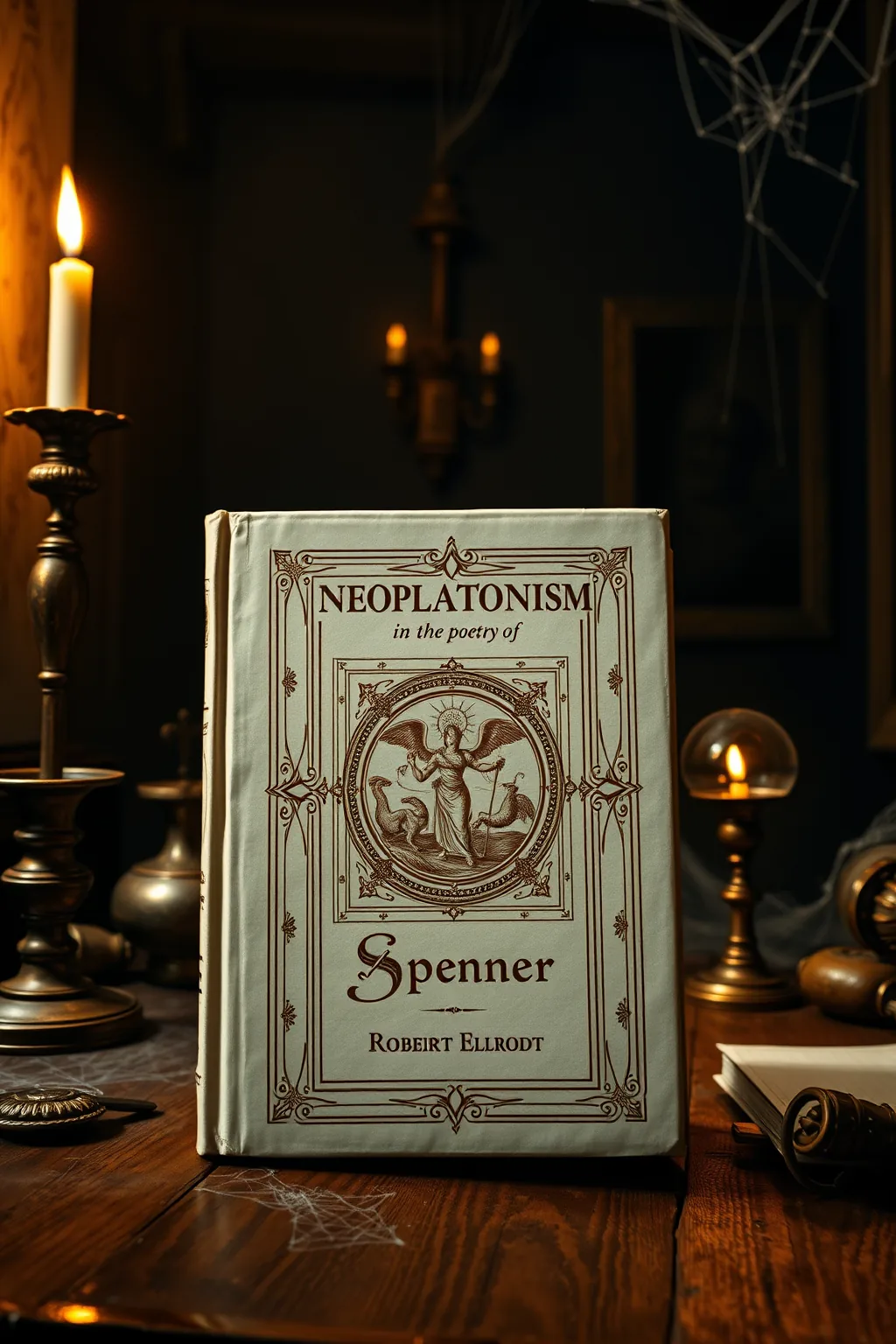
Neoplatonism in the poetry of Spenser
 62
62

Neoplatonism in the poetry of Spenser


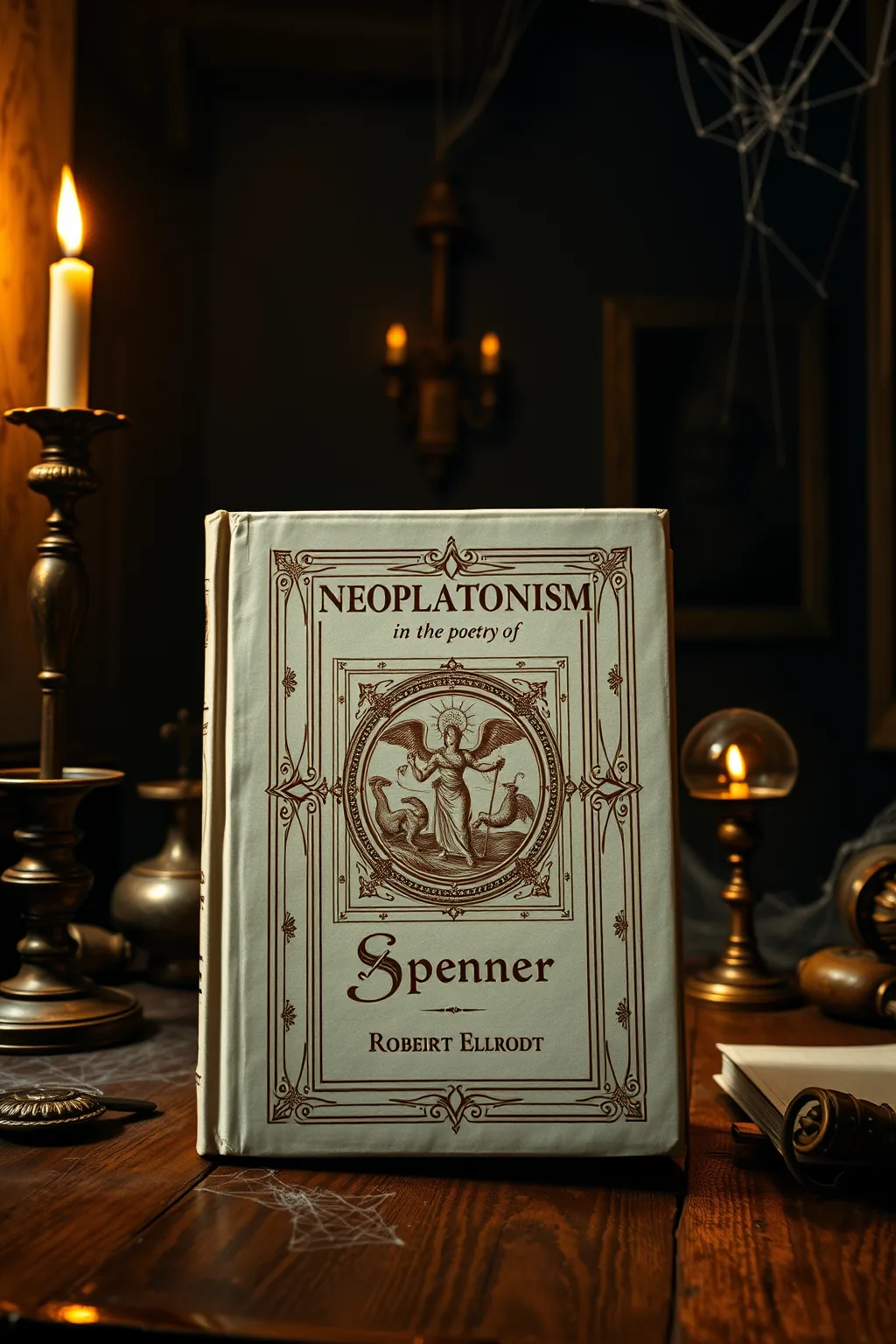
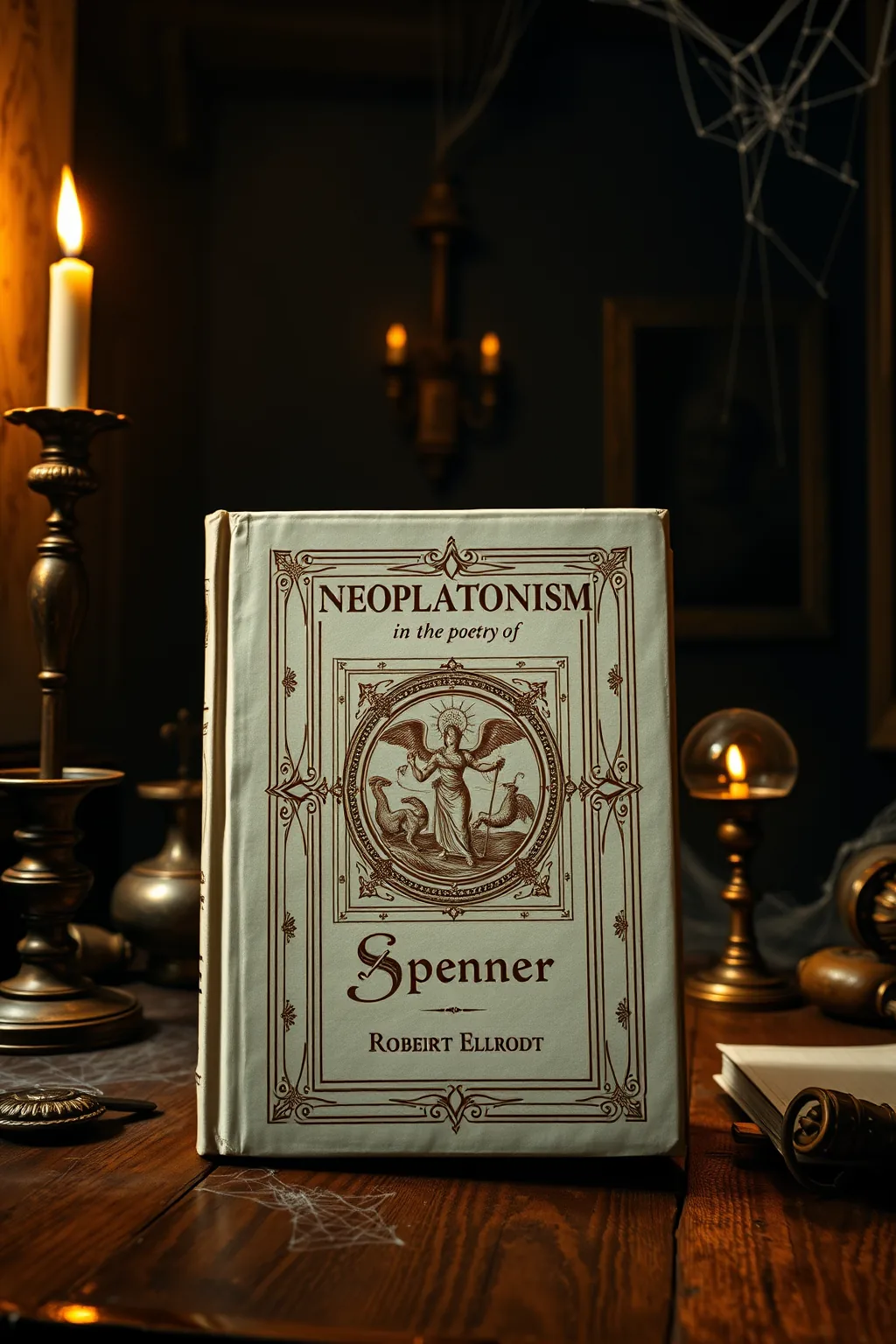
In 'Neoplatonism in the Poetry of Spenser,' Robert Ellrodt provides a profound and meticulous analysis of Edmund Spenser's literary works through the lens of Neoplatonic philosophy. Ellrodt's insights into the mystical and symbolic elements of Spenser's poetry offer a fresh perspective on the poet's genius. This book is a treasure trove of esoteric knowledge, making it an indispensable resource for scholars, spiritual seekers, and practitioners of the occult. Ellrodt's ability to unravel the complex web of Neoplatonic influences in Spenser's poetry is both enlightening and inspiring, making this work a must-read for anyone interested in the intersection of literature and mysticism.
📝 Description
62
Robert Ellrodt's 1960 study, 'Neoplatonism in the Poetry of Spenser,' examines the philosopher Plotinus's influence on the poet.
In this 1960 study, Robert Ellrodt traces the philosophical currents of Neoplatonism through the poetry of Edmund Spenser. Ellrodt argues that Spenser's major works, including 'The Faerie Queene,' are deeply informed by the ideas of thinkers like Plotinus and Marsilio Ficino. The book focuses on how concepts such as the One, the procession of being, and the ascent of the soul appear in Spenser's allegorical narratives and his treatment of divine love and beauty.
Ellrodt meticulously dissects Spenser's language and imagery, demonstrating how specific Neoplatonic doctrines shape the poet's worldview and artistic expression. He highlights the presence of the divine spark, the idea of a spiritual hierarchy, and the ultimate return to the divine source within Spenser's verse. This analysis offers a scholarly perspective on the intellectual context of Renaissance poetry, revealing a layer of philosophical engagement often overlooked.
The work provides a detailed account of how these abstract philosophical ideas are rendered in concrete poetic form. It shows how Spenser uses allegory and symbolism to communicate complex metaphysical concepts to his audience. Ellrodt's research aims to clarify the relationship between philosophical speculation and poetic creation in the Elizabethan era.
Neoplatonism, originating with Plotinus in the 3rd century CE, represents a significant strand of esoteric philosophy that seeks to understand the nature of reality through emanation from a supreme, ineffable One. Its later Renaissance revival, particularly through figures like Marsilio Ficino, made these ideas accessible to poets and thinkers who saw in them a framework for understanding divine love, beauty, and spiritual ascent. Ellrodt's work places Spenser within this tradition, showing how esoteric philosophical doctrines were not just abstract concepts but vital elements shaping imaginative literature.
💡 Why Read This Book?
Read 'Neoplatonism in the Poetry of Spenser' to gain a deeper understanding of the mystical and philosophical dimensions of Edmund Spenser's works. This book is ideal for seekers of hidden knowledge, scholars of English literature, and practitioners of the occult who wish to explore the enduring influence of Neoplatonic thought on Western literature and mysticism.
⭐ Reader Reviews
Honest opinions from readers who have explored this book.
❓ Frequently Asked Questions
What is the main focus of 'Neoplatonism in the Poetry of Spenser'?
The book explores the Neoplatonic influences in the poetry of Edmund Spenser, revealing the mystical and esoteric themes that underpin his works.
Who is the intended audience for this book?
This book is intended for scholars of English literature, spiritual seekers, and practitioners of the occult who are interested in the intersection of literature and mysticism.
What makes this book unique?
Ellrodt's work stands out for its deep analysis of Neoplatonic symbolism and its ability to illuminate the hidden philosophical significance of Spenser's poetry.
Is this book suitable for beginners?
While beginners may find the content enriching, a basic understanding of Neoplatonic philosophy and English literature would enhance the reading experience.
What are the key themes discussed in this book?
The book delves into themes of unity, transcendence, and the divine spark within all beings, as reflected in Spenser's poetry through a Neoplatonic lens.
🔮 Key Themes & Symbolism
Unity and Transcendence
Ellrodt's analysis reveals how Spenser's poetry embodies the Neoplatonic ideal of unity and transcendence, where the material world is seen as a reflection of the divine. This theme underscores the mystical belief in the interconnectedness of all things and the journey of the soul towards higher domains of existence.
The Divine Spark
The concept of the divine spark within all beings is a central theme in Neoplatonic thought and is beautifully articulated in Spenser's works. Ellrodt explores how this idea is woven into the poetic fabric, offering insights into the spiritual quest for self-realization and union with the divine.
Symbolism and Allegory
Spenser's poetry is rich in symbolism and allegory, which Ellrodt deciphers through the lens of Neoplatonic philosophy. This theme highlights the esoteric significance of symbols and their role in conveying hidden knowledge and mystical truths.
💬 Memorable Quotes
Direct passages from the work, attributed to the author.
“Symbols are the keys to hidden knowledge.”
— This reflects the esoteric significance of symbols in conveying mystical truths.
“The poetry of Spenser is a collection of Neoplatonic ideals.”
— Ellrodt emphasizes the deep philosophical underpinnings of Spenser's works.
“The divine spark within all beings is the source of unity.”
— This underscores the interconnectedness of all things in Neoplatonic thought.
💡 Key Ideas
Editorial paraphrase of the work's core concepts — not direct quotes.
The soul's journey is a quest for unity and transcendence.
This line captures the Neoplatonic belief in the soul's ascent towards the divine.
In the mirror of the mind, the divine spark shines bright.
Ellrodt uses this quote to illustrate the idea of inner illumination and self-realization.
🌙 Esoteric Significance
Tradition
This book belongs to the Hermetic tradition, which emphasizes the unity of all things and the divine spark within the human soul. It also draws on Neoplatonic philosophy, which influenced Renaissance thought and literature.
Symbolism
Key symbols in the book include the mirror, the journey, and the divine spark. The mirror represents self-reflection and inner illumination, the journey symbolizes the soul's ascent towards the divine, and the divine spark signifies the inherent divinity within all beings.
Modern Relevance
Today, this book is relevant for modern practitioners of the occult and seekers of hidden knowledge. It offers insights into the mystical and philosophical dimensions of literature and the enduring influence of Neoplatonic thought on contemporary spiritual practices.
👥 Who Should Read This Book
Beginners interested in esoteric traditions will find this book enlightening, as it provides a clear introduction to Neoplatonic symbolism and its influence on literature. Scholars of English literature will appreciate the deep analysis of Spenser's works. Spiritual seekers and practitioners of the occult will benefit from the book's exploration of mystical themes and hidden knowledge. Specifically, those interested in the intersection of literature and mysticism will find this work invaluable.
📜 Historical Context
Written during a time of intellectual and spiritual ferment, 'Neoplatonism in the Poetry of Spenser' sheds light on the Renaissance revival of ancient mysticism. Neoplatonic ideas, which had been preserved and transmitted through the Hermetic and Gnostic traditions, found a new expression in the literary works of Edmund Spenser. Ellrodt's analysis is important because it reveals the enduring influence of these esoteric traditions on Western literature and thought.
📔 Journal Prompts
How does the concept of unity and transcendence resonate with your spiritual journey?
Reflect on the idea of the divine spark within all beings. How does this influence your understanding of self and others?
Explore the symbolism in Spenser's poetry. What hidden knowledge do these symbols convey to you?
Consider the journey of the soul as described in Neoplatonic thought. How does this align with your spiritual beliefs?
What role does self-reflection play in your spiritual practice, and how does the mirror symbol in Spenser's poetry inspire you?
🗂️ Glossary
Neoplatonism
A philosophical tradition that emphasizes the unity of all things and the soul's ascent towards the divine.
Hermeticism
An esoteric tradition that focuses on the unity of all things and the divine spark within the human soul.
Divine Spark
The inherent divinity within all beings, a central concept in Neoplatonic thought.
Symbolism
The use of symbols to convey hidden knowledge and mystical truths in literature.
Allegory
A literary device where characters, settings, and events represent abstract ideas or principles.
This book appears in 2 collections
🔮 Readers Also Liked
Browse all →








More by Robert Ellrodt
All books →
From the “Neoplatonism” Collection
View all →








More Free Alchemy & Hermeticism Books
View all →