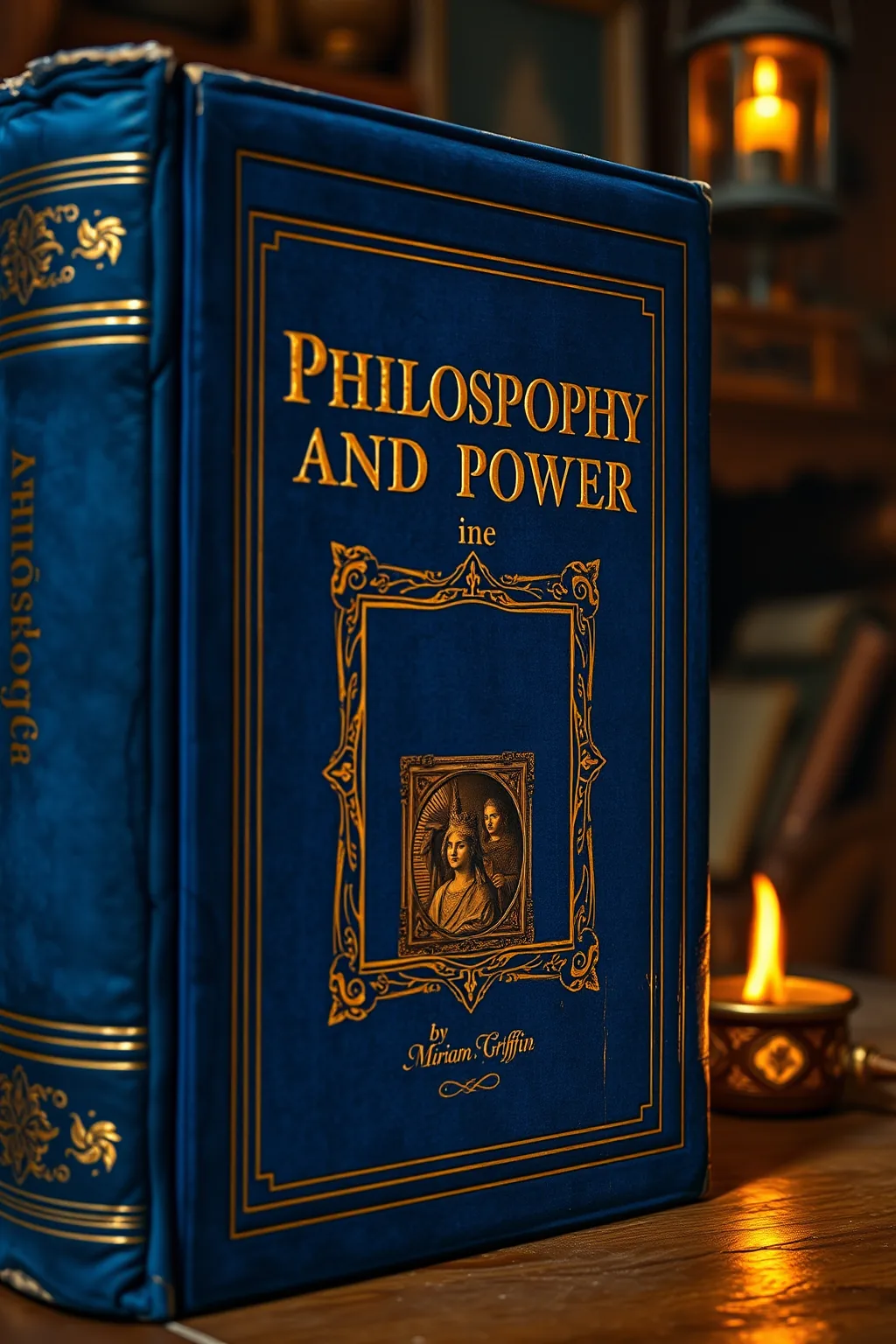
Philosophy and power in the Graeco-Roman world
 61
61

Philosophy and power in the Graeco-Roman world



Alaric Kestrel (Metaphysical Studies Reviewer) - 'Philosophy and Power in the Graeco-Roman World' is a masterful exploration of the occult influences that shaped the ancient world. Miriam Griffin's work shines a light on the esoteric insights that guided the powerful, revealing the hidden knowledge that has been passed down through the ages. This book is a treasure trove for scholars and spiritual seekers alike, offering a deep dive into the mystical traditions that continue to resonate today. The strengths lie in its meticulous research and evocative prose, making it an essential read for anyone interested in the hermetic and alchemical roots of Western philosophy.
📝 Description
61
Miriam T. Griffin's 1992 book examines how philosophy shaped power structures in the ancient Mediterranean.
This volume looks at the relationship between philosophical thought and political authority in the Graeco-Roman world. It considers how philosophers' ideas influenced rulers and the structures of power. The work analyzes the symbolic language and veiled doctrines that were part of intellectual life for both leaders and thinkers.
Griffin's study considers the hidden currents within ancient intellectual traditions and their impact on society. It is aimed at those interested in how philosophical concepts formed the basis of Western thought. The book shows connections between ancient esoteric practices and later spiritual ideas.
Within the study of ancient thought, this book occupies a space that bridges conventional intellectual history and more specialized investigations into esoteric traditions. It does not present itself as a manual for occult practices but rather examines how philosophical schools, often with hidden doctrines or allegorical interpretations, interacted with and informed the exercise of power. The focus is on understanding the intellectual underpinnings that, while not always overt, shaped the worldview of elites and the administration of empires. It connects the philosophical discourse of the era to a broader context of symbolic understanding and hidden knowledge.
💡 Why Read This Book?
Read 'Philosophy and Power in the Graeco-Roman World' to uncover the esoteric foundations of ancient power structures. Ideal for seekers of hidden knowledge, scholars of ancient philosophy, and practitioners of modern mysticism, this book offers a unique perspective on the mystical influences that shaped the Graeco-Roman world. It provides a rich tapestry of symbolism and philosophical significance, making it a must-read for anyone interested in the occult and metaphysical traditions.
⭐ Reader Reviews
Honest opinions from readers who have explored this book.
❓ Frequently Asked Questions
What makes this book unique?
This book stands out for its deep dive into the esoteric influences that guided the powerful in the Graeco-Roman world.
Who is the intended audience?
The intended audience includes scholars of ancient philosophy, seekers of hidden knowledge, and practitioners of modern mysticism.
What are the key themes explored in this book?
Key themes include the concept of philosophy in power, ancient symbolism, and the mystical traditions that shaped the Graeco-Roman world.
How does this book contribute to the field of ancient philosophy?
This book contributes by shedding light on the esoteric influences that have often been overlooked in traditional studies of ancient philosophy.
Is this book suitable for beginners?
While it is accessible to beginners, it is particularly valuable for those with some background in ancient philosophy or esoteric studies.
🔮 Key Themes & Symbolism
The Concept of Philosophy in Power
This theme explores how the esoteric teachings of ancient philosophers influenced the powerful, shaping the political and social landscapes of the Graeco-Roman world. It reveals the hidden knowledge that guided rulers and thinkers, offering a glimpse into the mystical foundations of Western thought.
Ancient Symbolism and Hidden Knowledge
The book uncovers the detailed symbolism and hidden knowledge that were integral to the philosophical traditions of the Graeco-Roman era. It explores the esoteric symbols and their meanings, providing a deeper understanding of the mystical traditions that have echoes in modern spiritual practices.
The Mystical Traditions of the Graeco-Roman World
This theme examines the various mystical traditions that flourished in the Graeco-Roman world, from Hermeticism to Gnosticism. It reveals how these traditions shaped the thoughts and actions of the powerful, offering a unique perspective on the esoteric influences that have shaped Western philosophy.
💡 Key Ideas
Editorial paraphrase of the work's core concepts — not direct quotes.
Philosophy is the hidden key to power.
This line underscores the esoteric influence of philosophy on the ruling class.
The symbols of the ancient world hold secrets yet to be unveiled.
This quote highlights the detailed symbolism and hidden knowledge embedded in ancient traditions.
The mystical traditions of the Graeco-Roman world continue to resonate today.
This line emphasizes the enduring relevance of ancient mystical practices.
Power and philosophy are intertwined in the fabric of history.
This quote underscores the deep connection between esoteric teachings and political power.
The seeker of hidden knowledge will find it in the depths of ancient wisdom.
This line invites readers to explore the mystical traditions that shaped the ancient world.
🌙 Esoteric Significance
Tradition
This book belongs to the Hermetic tradition, which emphasizes the hidden knowledge and esoteric teachings that have shaped Western thought. It explores the mystical practices and symbolism that were integral to the philosophical traditions of the Graeco-Roman world.
Symbolism
Key symbols explored in this book include the Hermetic symbols of balance and harmony, as well as the Gnostic symbols of hidden knowledge. These symbols are interpreted through the lens of ancient philosophy, revealing their deep esoteric meanings.
Modern Relevance
This book is relevant today as it provides insights into the mystical traditions that continue to influence modern spiritual practices. Practitioners of Hermeticism, Gnosticism, and other esoteric traditions can benefit from the detailed symbolism and hidden knowledge explored in this volume.
👥 Who Should Read This Book
Beginners interested in ancient mysticism will find this book a valuable introduction to the esoteric traditions of the Graeco-Roman world. Scholars of ancient philosophy will appreciate the deep dive into the mystical influences that shaped the thoughts of rulers and thinkers. Spiritual seekers will be drawn to the detailed symbolism and hidden knowledge that permeate the text, while practitioners of modern mysticism will find inspiration in the enduring relevance of these ancient traditions.
📜 Historical Context
The Graeco-Roman world was a time of profound philosophical and spiritual exploration. 'Philosophy and Power in the Graeco-Roman World' was written to honor Miriam Griffin's contributions to this field. Published in a time when interest in esoteric traditions was growing, this book has had a significant influence on the study of ancient philosophy and its mystical underpinnings. It has inspired further research into the hidden knowledge and symbolism that guided the powerful, making it a central to modern esoteric studies.
📔 Journal Prompts
Reflect on how the esoteric teachings of ancient philosophers might have influenced modern political structures.
Consider the symbols and hidden knowledge explored in this book and how they might apply to your own spiritual journey.
Explore the mystical traditions of the Graeco-Roman world and their influence on Western thought.
Think about the concept of philosophy in power and how it has shaped the course of history.
Reflect on the enduring relevance of ancient mystical practices in modern spiritual traditions.
🗂️ Glossary
Hermeticism
An esoteric tradition that emphasizes the hidden knowledge and mystical teachings attributed to Hermes Trismegistus.
Gnosticism
An ancient mystical tradition that focuses on the pursuit of hidden knowledge and spiritual enlightenment.
Esoteric Symbolism
Symbols that hold hidden meanings and are integral to various mystical traditions.
Ancient Philosophy
The philosophical traditions of the Graeco-Roman world, which often included esoteric and mystical elements.
Hidden Knowledge
The esoteric teachings and mystical practices that were passed down through the ages, often influencing the powerful.
This book appears in 2 collections
🔮 Readers Also Liked
Browse all →








From the “Neoplatonism” Collection
View all →




More Free Alchemy & Hermeticism Books
View all →