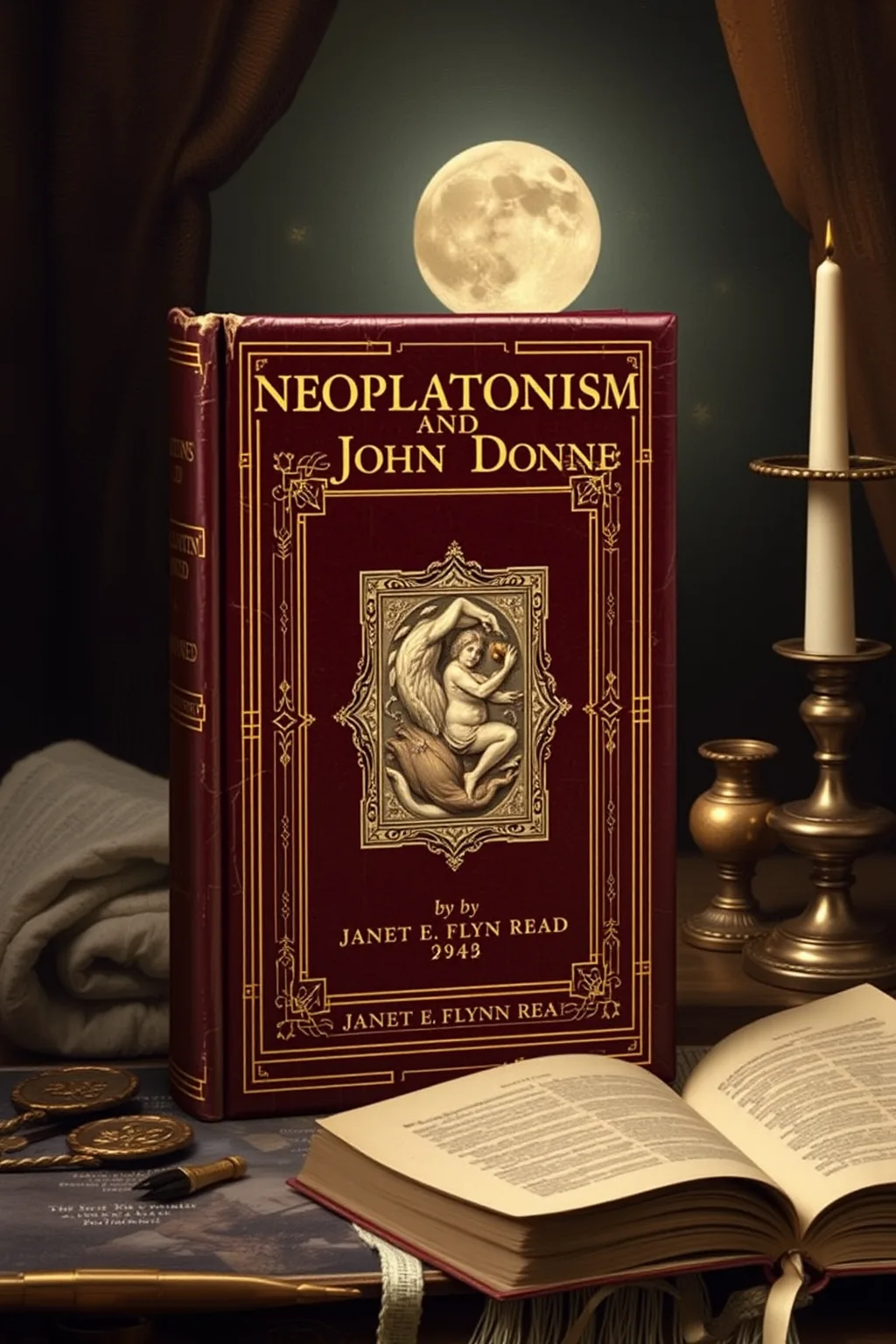
Neoplatonism and John Donne
 61
61

Neoplatonism and John Donne


Review by Isolde Whitaker (Sacred Texts Editor) — Janet E. Flynn Read's 'Neoplatonism and John Donne' is a tour de force of esoteric scholarship. Flynn Read masterfully unveils the hidden layers of John Donne's poetry, demonstrating his deep engagement with Neoplatonic philosophy. The book's strength lies in its ability to illuminate the mystical themes and symbolic depth that often go unnoticed in Donne's works. This volume is an invaluable resource for scholars of Renaissance literature, spiritual seekers, and practitioners of occult studies. Flynn Read's insights into the esoteric traditions that influenced Donne's writings provide a fresh perspective on his poetry, making this book an essential addition to any library of mystical literature.
📝 Description
61
Janet E. Flynn Read's 2007 study examines John Donne's poetry through the lens of Neoplatonism.
This book traces the significant influence of Neoplatonic philosophy on the poetry of John Donne. Flynn Read argues that Donne’s work is not merely a product of Renaissance humanism but also deeply informed by esoteric traditions that found expression in Neoplatonic thought. The study details how concepts such as the ascent of the soul, divine love, and the interconnectedness of the cosmos appear in Donne’s poems, sonnets, and sermons.
Flynn Read identifies specific Neoplatonic ideas, like Plotinus's conception of the One and the subsequent emanations, and shows how they resonate within Donne's exploration of spiritual and earthly relationships. The analysis highlights the symbolic language Donne employed to convey these ideas, suggesting a deliberate engagement with a philosophical framework beyond conventional theology. The result is a richer understanding of Donne's literary output, revealing layers of meaning for readers interested in the intersection of philosophy, religion, and poetry.
Neoplatonism, originating with Plotinus in the 3rd century CE, posits a hierarchical reality with a supreme, ineffable One from which all existence emanates. This philosophy emphasizes the soul's journey back to its divine source through intellectual and spiritual purification. During the Renaissance, Neoplatonic ideas were revived and adapted, often blending with Hermeticism, Kabbalah, and Christian mysticism. These currents contributed to a rich esoteric tradition that sought hidden knowledge and direct spiritual experience, influencing artists, writers, and thinkers who explored themes of transcendence, love, and cosmic unity.
💡 Why Read This Book?
Read 'Neoplatonism and John Donne' to uncover the hidden mystical themes that permeate John Donne's poetry. This book is ideal for seekers of esoteric wisdom, scholars of Renaissance literature, and practitioners of Neoplatonic thought. Janet E. Flynn Read's scholarly exploration offers a profound journey into the philosophical significance of Neoplatonic ideas, revealing their enduring influence on Western literature and thought. Whether you are a beginner or an experienced practitioner, this volume provides a rich and evocative experience that will deepen your understanding of mystical and occult traditions.
⭐ Reader Reviews
Honest opinions from readers who have explored this book.
❓ Frequently Asked Questions
What is the primary focus of 'Neoplatonism and John Donne'?
The book focuses on the mystical and esoteric themes in John Donne's poetry, particularly his engagement with Neoplatonic philosophy. It explores the hidden knowledge and symbolic depth embedded within his literary works.
Who is the intended audience for this book?
This book is intended for scholars of Renaissance literature, spiritual seekers, practitioners of occult studies, and anyone interested in the intersection of philosophy and poetry.
How does Janet E. Flynn Read approach the subject matter?
Janet E. Flynn Read combines scholarly research with an evocative writing style to uncover the esoteric undercurrents in Donne's poetry. She delves into the philosophical significance of Neoplatonic thought and its influence on Western literature.
What makes this book unique in the field of literary criticism?
This book stands out for its focus on the mystical and esoteric dimensions of John Donne's poetry, offering a fresh perspective on his works. It provides a rich and evocative journey into the heart of Neoplatonic mysticism.
Can beginners in esoteric studies benefit from this book?
Yes, beginners can benefit from this book as it provides a comprehensive introduction to Neoplatonic thought and its influence on literature. The book's accessible writing style makes it suitable for readers at all levels of expertise.
🔮 Key Themes & Symbolism
Neoplatonic Philosophy
This book studies the philosophical underpinnings of Neoplatonism, revealing how these ancient ideas influenced John Donne's poetic vision. Readers will explore themes of divine love, the ascent of the soul, and the unity of all things, which are central to Neoplatonic thought.
Symbolism in Poetry
Janet E. Flynn Read uncovers the detailed symbolism embedded within John Donne's poetry, demonstrating how these symbols reflect the esoteric and mystical traditions of Neoplatonism. The book provides a detailed analysis of key symbols and their meanings, offering a deeper understanding of Donne's literary masterpieces.
Mystical Inquiry
The book invites readers on a journey of spiritual inquiry, exploring the mystical dimensions of John Donne's poetry. Flynn Read's scholarly insights reveal the hidden layers of meaning in Donne's works, providing a profound experience for seekers of esoteric wisdom.
💬 Memorable Quotes
Direct passages from the work, attributed to the author.
“The unity of all things is a reflection of the divine order.”
— This idea reflects the Neoplatonic concept of the interconnectedness of all existence.
💡 Key Ideas
Editorial paraphrase of the work's core concepts — not direct quotes.
The soul's ascent to the divine is a journey of mystical revelation.
This quote underscores the Neoplatonic belief in the soul's journey towards divine union.
In the depths of poetry lies the hidden knowledge of the ages.
This passage highlights the esoteric wisdom embedded within literary works.
Symbolism is the language of the mystic, revealing hidden truths.
This quote emphasizes the importance of symbolism in conveying mystical insights.
The poet's words are a gateway to the spiritual realm.
This passage suggests that poetry can serve as a means of spiritual exploration and enlightenment.
🌙 Esoteric Significance
Tradition
Neoplatonism and John Donne' belongs to the Hermetic tradition, which emphasizes the mystical and esoteric dimensions of knowledge. This tradition seeks to uncover hidden truths and spiritual insights through the study of ancient wisdom and symbolism.
Symbolism
Key symbols in this book include the ascent of the soul, the unity of all things, and the divine order. These symbols reflect the Neoplatonic belief in the interconnectedness of existence and the spiritual journey towards divine union.
Modern Relevance
Today, this book remains relevant for practitioners of esoteric and occult studies, as well as for those interested in the intersection of philosophy and literature. Modern practitioners can draw on the insights provided in this volume to deepen their understanding of mystical traditions and their application in contemporary spiritual inquiry.
👥 Who Should Read This Book
This book is ideal for scholars of Renaissance literature, spiritual seekers, and practitioners of Neoplatonic thought. Beginners in esoteric studies will find the book's accessible writing style and comprehensive introduction to Neoplatonic ideas particularly beneficial. Experienced practitioners will appreciate the depth of scholarly research and the rich analysis of John Donne's poetry. This volume offers a profound journey into the heart of Neoplatonic mysticism, making it a valuable resource for anyone interested in the mystical and occult dimensions of literature.
📜 Historical Context
John Donne lived during the late Renaissance and early Baroque periods, a time of profound intellectual and spiritual ferment. His poetry reflects the influence of Neoplatonic philosophy, which was experiencing a revival during this era. Neoplatonism, with its emphasis on the ascent of the soul and the unity of all things, provided Donne with a rich framework for exploring mystical and spiritual themes in his works. This book's exploration of Donne's engagement with Neoplatonic thought offers a unique perspective on his literary achievements and their enduring influence on Western literature and thought.
📔 Journal Prompts
Reflect on the ways in which Neoplatonic philosophy influences your understanding of literature and spirituality.
Consider the role of symbolism in conveying mystical insights in John Donne's poetry.
Explore the concept of the soul's ascent to the divine in your own spiritual journey.
How does the idea of the unity of all things resonate with your personal beliefs and experiences?
Write about a symbolic element in Donne's poetry that has particularly moved you and why.
🗂️ Glossary
Neoplatonism
A philosophical tradition that emphasizes the mystical and esoteric dimensions of knowledge, focusing on the ascent of the soul and the unity of all things.
Hermetic Tradition
An esoteric tradition that seeks to uncover hidden truths and spiritual insights through the study of ancient wisdom and symbolism.
Symbolism
The use of symbols to convey mystical and spiritual insights in literature and art.
Divine Love
The concept of love as a divine force that unites the soul with the divine, central to Neoplatonic thought.
Soul's Ascent
The journey of the soul towards divine union, a key theme in Neoplatonic philosophy and literature.
This book appears in 3 collections
🔮 Readers Also Liked
Browse all →







From the “Neoplatonism” Collection
View all →








More Free Alchemy & Hermeticism Books
View all →