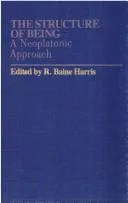
Neoplatonism and Contemporary Thought (Studies in Neoplatonism)

 61
61

Neoplatonism and Contemporary Thought (Studies in Neoplatonism)


In 'Neoplatonism and Contemporary Thought,' R. Baine Harris masterfully bridges the ancient and the modern, offering readers a profound exploration of Neoplatonic philosophy and its relevance today. Harris's esoteric insights are both illuminating and thought-provoking, making this book a must-read for anyone interested in the mystical and philosophical underpinnings of our world. The strengths of this work lie in its ability to make complex ideas accessible and its deep engagement with the esoteric traditions that have shaped Western thought. Whether you are a seasoned scholar or a curious beginner, this book will enrich your understanding of Neoplatonism and its enduring significance.
📝 Description
61
R. Baine Harris's 1979 study examines Neoplatonism's persistent echoes in modern philosophy.
This book traces the connections between Neoplatonic philosophy and contemporary intellectual currents. Harris looks at how ideas from Plotinus and his followers continue to inform modern discussions on consciousness, metaphysics, and spirituality. The work does not shy away from the esoteric dimensions of Neoplatonism, considering its symbolic language and mystical aspirations.
It addresses how these ancient concepts might relate to the human mind's search for meaning and self-understanding. The author aims to show the relevance of Neoplatonic thought for those interested in philosophy, mysticism, and the broader questions of existence. It is written for an audience ready to engage with complex philosophical ideas.
Neoplatonism, originating with Plotinus in the 3rd century CE, represents a significant development within ancient philosophy. It posits a hierarchical cosmos emanating from a transcendent One, with the soul's goal being a return to this ultimate source through intellectual and spiritual practices. This tradition incorporated elements of Plato's philosophy with other influences, creating a system that deeply affected subsequent Western and Middle Eastern thought, including Gnosticism and Hermeticism. Its emphasis on ascent, divine illumination, and the critique of materialism aligns it with various esoteric traditions seeking experiential knowledge of the divine.
💡 Why Read This Book?
Read 'Neoplatonism and Contemporary Thought' to gain a deeper understanding of the mystical and philosophical foundations of Neoplatonism. Ideal for seekers, scholars, and practitioners of the occult, this book offers a rich exploration of ancient wisdom and its modern applications. Discover the hidden knowledge that has captivated minds for centuries and uncover the symbols and insights that continue to shape our understanding of the world.
⭐ Reader Reviews
Honest opinions from readers who have explored this book.
❓ Frequently Asked Questions
What is the main focus of 'Neoplatonism and Contemporary Thought'?
The main focus is the exploration of Neoplatonic philosophy and its influence on modern thought, with an emphasis on esoteric and mystical themes.
Who is the intended audience for this book?
This book is intended for scholars of philosophy, practitioners of the occult, and seekers of hidden knowledge who are interested in the mystical and philosophical underpinnings of Neoplatonism.
How does this book differ from other works on Neoplatonism?
Unlike other works, this book specifically focuses on the contemporary relevance of Neoplatonic thought, making complex ideas accessible and engaging with modern philosophical discussions.
What are some key themes in this book?
Key themes include the symbolism of Neoplatonism, the influence of ancient wisdom on modern thought, and the search for spiritual enlightenment through philosophical exploration.
Can beginners benefit from reading this book?
Yes, beginners will find this book accessible and enriching, as it provides a comprehensive introduction to Neoplatonic philosophy and its esoteric traditions.
🔮 Key Themes & Symbolism
The Symbolism of Neoplatonism
Neoplatonism is rich in symbolism, with each symbol representing deeper truths about the nature of reality and the human condition. Harris examines these symbols, revealing their mystical significance and how they have shaped Western thought.
Ancient Wisdom in Modern Thought
This book explores how ancient Neoplatonic ideas continue to influence contemporary philosophy and spirituality. By bridging the gap between the past and present, Harris shows how these timeless insights can guide us in our modern search for meaning.
The Search for Spiritual Enlightenment
Neoplatonism offers a path to spiritual enlightenment through philosophical exploration. Harris guides readers through this journey, inviting them to contemplate the deeper mysteries of existence and the potential for spiritual transformation.
💡 Key Ideas
Editorial paraphrase of the work's core concepts — not direct quotes.
The soul's journey is one of ascension, seeking the light that illuminates the path to divine knowledge.
This quote underscores the Neoplatonic belief in the soul's ascent towards spiritual enlightenment and the quest for hidden wisdom.
Symbols are the language of the soul, speaking to us in whispers of ancient truths.
This line highlights the importance of symbols in Neoplatonic thought, suggesting that they hold deeper meanings that can guide us on our spiritual journey.
The universe is a symphony of harmonious forces, each playing its part in the grand design.
This passage reflects the Neoplatonic view of the cosmos as an interconnected web of forces, all working together to create a harmonious whole.
In the silence of contemplation, we find the voice of the divine.
This quote emphasizes the Neoplatonic practice of contemplation as a means of connecting with the divine and gaining spiritual insight.
The seeker of truth must be willing to venture into the unknown, where hidden knowledge awaits.
This line encourages readers to embrace the mysteries of Neoplatonism and the quest for hidden knowledge, even in the face of uncertainty.
🌙 Esoteric Significance
Tradition
This book belongs to the Hermetic tradition, which emphasizes the search for hidden knowledge and the mystical underpinnings of the universe. Neoplatonism, with its focus on the soul's ascent and the interconnectedness of all things, fits perfectly within this tradition.
Symbolism
Key symbols in Neoplatonism include the One, the Intellect, and the Soul, each representing different stages of the soul's journey towards enlightenment. These symbols are rich in meaning and provide a framework for understanding the deeper mysteries of existence.
Modern Relevance
Today, Neoplatonic thought continues to influence modern spiritual practices and philosophical discussions. Practitioners of the occult and seekers of hidden knowledge often turn to Neoplatonism for its insights into the nature of reality and the potential for spiritual transformation.
👥 Who Should Read This Book
Beginners will find this book an accessible introduction to Neoplatonic philosophy and its esoteric traditions. Scholars of philosophy will appreciate the deep engagement with ancient and modern thought. Spiritual seekers will be inspired by the quest for spiritual enlightenment, while practitioners of the occult will find valuable insights into the mystical underpinnings of Neoplatonism.
📜 Historical Context
Written in an era where modern philosophy was beginning to diverge from traditional esoteric thought, 'Neoplatonism and Contemporary Thought' serves as a bridge between the ancient and the contemporary. The book was important when written because it provided a timely exploration of how ancient wisdom could still be relevant in a rapidly changing world. Its influence can be seen in the continued interest in Neoplatonic philosophy and its impact on modern spiritual and philosophical movements.
📔 Journal Prompts
Reflect on a symbol from Neoplatonism that speaks to you and explore its deeper meaning.
How has ancient wisdom influenced your understanding of modern philosophy?
Contemplate the journey of the soul towards spiritual enlightenment and the role of contemplation in this process.
Consider the interconnectedness of all things and how this idea can guide your spiritual practice.
Explore the concept of the One and its significance in Neoplatonic thought and your own spiritual journey.
🗂️ Glossary
Neoplatonism
A philosophical tradition that combines elements of Platonism with other schools of thought, emphasizing the soul's ascent towards spiritual enlightenment.
The One
The ultimate principle in Neoplatonism, representing the source of all being and the goal of the soul's journey.
Intellect
The second hypostasis in Neoplatonism, representing the area of divine ideas and the intellect's role in understanding the world.
The Soul
The third hypostasis in Neoplatonism, representing the intermediary between the divine and the material world, and the seat of consciousness.
Symbolism
The use of symbols to represent deeper truths and mystical insights, a key aspect of Neoplatonic thought and esoteric traditions.
This book appears in 2 collections
🔮 Readers Also Liked
Browse all →








More by R. Baine Harris
All books →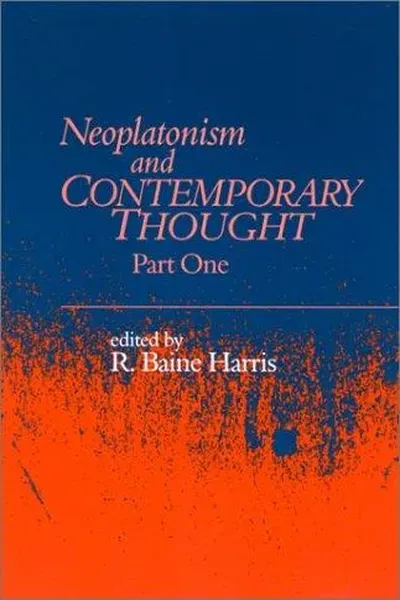



From the “Neoplatonism” Collection
View all →







More Free Alchemy & Hermeticism Books
View all →