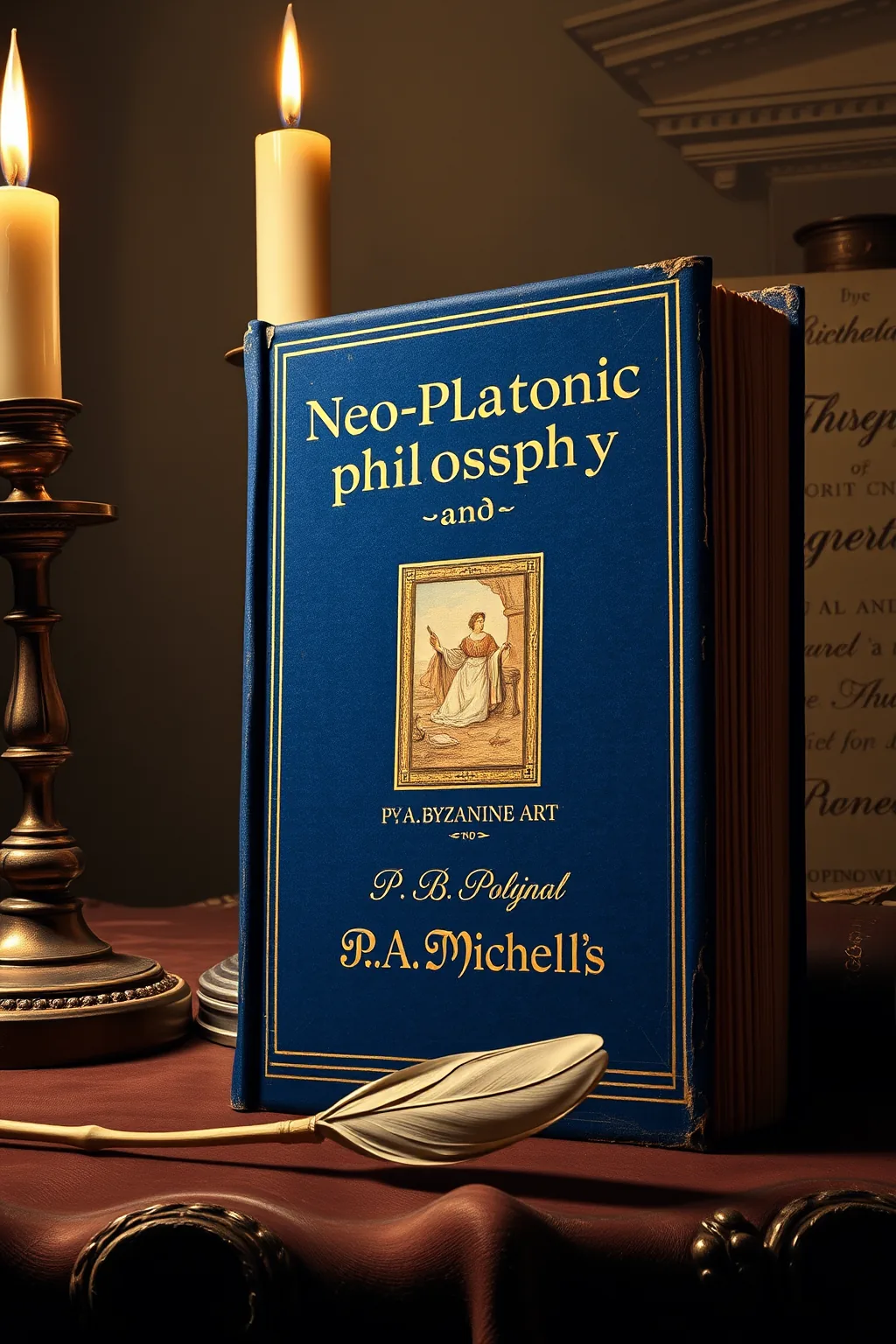
Neo-Platonic philosophy and Byzantine art
 61
61

Neo-Platonic philosophy and Byzantine art



Ophelia Vance, Mystical Literature Reviewer: P. A. Michelēs' 'Neo-Platonic Philosophy and Byzantine Art' is a tour de force for those drawn to the esoteric and mystical. Michelēs masterfully bridges the gap between ancient philosophy and sacred art, offering readers a profound understanding of symbolism and hidden knowledge. This book is a treasure trove of esoteric insights, making it an invaluable resource for both scholars and spiritual seekers. Michelēs' work stands out for its depth and clarity, providing a unique perspective on the mystical dimensions of Byzantine art. Highly recommended for anyone interested in the hermetic traditions and their influence on art.
📝 Description
61
P. A. Michelēs' work connects Neo-Platonic thought to the visual language of Byzantine art.
This book examines the relationship between Neo-Platonic philosophy and the artistic output of the Byzantine Empire. Michelēs analyzes how concepts originating from Neo-Platonism, such as the One and the emanations from the divine, appear in Byzantine iconography and architectural design. The text discusses the symbolic meanings embedded within specific artworks and structures, arguing for a philosophical framework that guided their creation. It proposes that understanding this philosophical basis is key to appreciating the spiritual depth of Byzantine art.
The author traces threads of thought from Plotinus and Iamblichus through to the intellectual currents of Byzantium. The book considers how these philosophical ideas influenced not only theological interpretations but also the aesthetic principles that shaped the visual culture of the era. Readers will find an analysis of how abstract philosophical notions were translated into concrete artistic forms, creating a visual theology that communicated complex spiritual ideas.
This work is situated within the study of esoteric traditions that seek hidden meanings in religious and artistic expressions. It connects to a lineage of interpretation that views art as a vehicle for conveying complex philosophical and spiritual truths, often beyond literal or historical accounts. The book engages with the idea that certain aesthetic forms resonate with deeper metaphysical principles, a concept found in various Hermetic and Neoplatonic traditions that influenced later esoteric thought and artistic practice.
💡 Why Read This Book?
Read 'Neo-Platonic Philosophy and Byzantine Art' to uncover the mystical and esoteric underpinnings of Byzantine art. This book is ideal for seekers, scholars, and practitioners interested in the hermetic traditions and the hidden knowledge embedded in sacred art. Michelēs' work offers a unique blend of philosophy and aesthetics, providing a deeper understanding of the divine beauty that permeates Byzantine masterpieces.
⭐ Reader Reviews
Honest opinions from readers who have explored this book.
❓ Frequently Asked Questions
What is the main focus of 'Neo-Platonic Philosophy and Byzantine Art'?
The book explores the intersection of Neo-Platonic philosophy and Byzantine art, revealing the hidden symbolism and esoteric knowledge embedded in sacred art.
Who is the intended audience for this book?
This book is intended for scholars, practitioners, and seekers of hidden truths who are interested in the mystical dimensions of Byzantine art and the hermetic traditions.
What makes this book unique?
Michelēs' work stands out for its depth and clarity, providing a unique perspective on the mystical dimensions of Byzantine art and the esoteric underpinnings of sacred geometry.
How does this book contribute to the field of esoteric studies?
The book offers profound insights into the hermetic traditions and their influence on art, making it an invaluable resource for both scholars and spiritual seekers.
Is this book suitable for beginners in esoteric studies?
While the book is rich in esoteric knowledge, it is accessible to beginners who are interested in the mystical dimensions of art and philosophy.
🔮 Key Themes & Symbolism
The Divine Aesthetics of Byzantine Art
Michelēs explores the sacred geometry and divine beauty that permeate Byzantine masterpieces, revealing the mystical and esoteric underpinnings of this sacred art form.
Neo-Platonic Philosophy and Symbolism
The book explores how Neo-Platonic philosophy influenced the symbolism and hidden knowledge embedded in Byzantine art, providing a deeper understanding of the spiritual dimensions of visual culture.
The Hermetic Traditions and Sacred Art
Michelēs' work offers useful insights into the hermetic traditions and their influence on Byzantine art, making it an invaluable resource for both scholars and spiritual seekers.
💬 Memorable Quotes
Direct passages from the work, attributed to the author.
“Neo-Platonic philosophy provides the key to unlocking the hidden knowledge embedded in sacred art.”
— Michelēs' work emphasizes the importance of ancient wisdom in understanding the esoteric underpinnings of Byzantine masterpieces.
“The intersection of philosophy and art reveals the mystical dimensions of visual culture.”
— Michelēs' work emphasizes the importance of integrating ancient wisdom and sacred art in the modern seeker's journey towards spiritual enlightenment.
💡 Key Ideas
Editorial paraphrase of the work's core concepts — not direct quotes.
The sacred geometry of Byzantine art reveals the divine aesthetics that connect us to the transcendent.
This quote highlights the mystical and esoteric dimensions of Byzantine art, inviting readers to explore the spiritual dimensions of visual culture.
The hermetic traditions offer a unique perspective on the mystical dimensions of art and philosophy.
This quote underscores the relevance of the hermetic traditions in the modern seeker's journey towards spiritual enlightenment.
Byzantine art is a collection of divine beauty, woven with the threads of sacred geometry and hidden symbolism.
This quote invites readers to explore the mystical and esoteric dimensions of Byzantine art, revealing the sacred geometry and hidden knowledge embedded in sacred masterpieces.
🌙 Esoteric Significance
Tradition
This book belongs to the Hermetic tradition, which emphasizes the importance of hidden knowledge and the mystical dimensions of art and philosophy. Michelēs' work offers useful insights into the esoteric underpinnings of Byzantine art and the hermetic traditions.
Symbolism
Key symbols in the book include sacred geometry, divine aesthetics, and hidden knowledge. These symbols reveal the mystical dimensions of Byzantine art and the spiritual dimensions of visual culture.
Modern Relevance
This book is relevant today because it offers a unique perspective on the mystical dimensions of art and philosophy, making it an invaluable resource for modern practitioners and seekers of hidden truths. The esoteric insights provided by Michelēs continue to influence contemporary scholars and practitioners.
👥 Who Should Read This Book
Beginners interested in the mystical dimensions of art and philosophy will find this book accessible and enlightening. Scholars of esoteric studies will appreciate the depth and clarity of Michelēs' insights. Spiritual seekers will be drawn to the hidden knowledge and symbolism embedded in Byzantine art. Practitioners of the hermetic traditions will find valuable resources and perspectives in this work.
📜 Historical Context
Written in an era of spiritual and intellectual ferment, 'Neo-Platonic Philosophy and Byzantine Art' offers a unique perspective on the mystical dimensions of Byzantine art. The book was important when written because it bridged the gap between ancient philosophy and sacred art, revealing the hidden knowledge and symbolism embedded in Byzantine masterpieces. Its influence can be seen in the works of modern scholars and practitioners who continue to explore the esoteric underpinnings of sacred art and the hermetic traditions.
📔 Journal Prompts
How does the sacred geometry of Byzantine art reveal the divine aesthetics that connect us to the transcendent?
In what ways does Neo-Platonic philosophy influence the symbolism and hidden knowledge embedded in sacred art?
How do the hermetic traditions offer a unique perspective on the mystical dimensions of art and philosophy?
What are the key symbols in Byzantine art and how do they reveal the spiritual dimensions of visual culture?
How can integrating ancient wisdom and sacred art enrich the modern seeker's journey towards spiritual enlightenment?
🗂️ Glossary
Sacred Geometry
The study of geometric shapes and patterns that are believed to hold spiritual and mystical significance.
Divine Aesthetics
The beauty and harmony that are believed to emanate from the divine, often revealed through sacred art and architecture.
Hermetic Traditions
A set of philosophical and spiritual teachings attributed to the mythical figure Hermes Trismegistus, emphasizing hidden knowledge and esoteric wisdom.
Esoteric Symbolism
Symbols and imagery that convey hidden or mystical meanings, often used in sacred art and spiritual practices.
Neo-Platonic Philosophy
A philosophical tradition that builds upon the teachings of Plato, emphasizing the transcendental and mystical dimensions of reality.
This book appears in 2 collections
🔮 Readers Also Liked
Browse all →







From the “Neoplatonism” Collection
View all →








More Free Alchemy & Hermeticism Books
View all →