Helping yourself with spells, prayers, curses, and chants
 80
80

Helping yourself with spells, prayers, curses, and chants
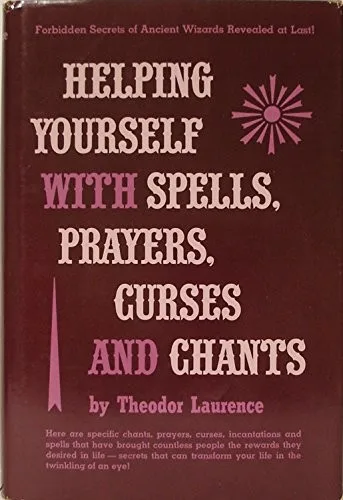
Theodor Laurence’s 1975 text, Helping Yourself with Spells, Prayers, Curses, and Chants, presents a straightforward compendium of operative magical techniques. Its strength lies in its unvarnished approach; it treats spells, curses, and prayers as functional tools rather than abstract concepts, a refreshing directness in a field often mired in esoteric jargon. The section on crafting personal chants, for instance, offers practical guidance on rhythm and intent that feels immediately applicable. However, the book’s primary limitation is its lack of deeper theoretical exploration or historical sourcing. While it offers methods, it rarely contextualizes them within specific magical lineages or discusses the philosophical underpinnings of why these methods are believed to work. For example, the chapter on 'Binding Spells' provides clear instructions but offers little on the ethical frameworks or the deeper energetic principles beyond sympathetic magic that might inform such a practice. Ultimately, it serves as a functional grimoire, valuable for its directness, but less so for those seeking extensive scholarly or philosophical depth.
📝 Description
80
Published in 1975, Theodor Laurence's book provides practical instructions for using spells, prayers, curses, and chants.
Theodor Laurence's 1975 manual, 'Helping Yourself with Spells, Prayers, Curses, and Chants,' presents a direct approach to magical and devotional practices. It moves past theory to offer actionable methods, framing spells, prayers, curses, and chants as instruments for personal agency and focused intention. The book aims to make these rituals understandable and usable for individuals who wish to shape their circumstances through established or self-made ceremonial actions.
This volume appeals to readers interested in the practical application of esoteric subjects, rather than purely academic exploration. It will interest those drawn to folk magic, modern witchcraft, or older practices of petitionary prayer and cursing that aim for concrete outcomes. Readers open to engaging in ritualistic acts for protection, manifestation, or even settling scores will find relevant content. It is written for the practitioner who understands focused intent channeled through specific verbal and symbolic means.
Laurence's work appeared during a period of renewed interest in occultism and alternative spiritual paths, fueled by the counterculture movements of the 1960s and 70s. While figures like Aleister Crowley had already influenced modern ceremonial magic, Laurence's focus seems more aligned with accessible, perhaps folk-derived, applications rather than complex ceremonial systems. Its 1975 publication date situates it near the rise of feminist witchcraft and the ongoing impact of authors like Gerald Gardner, suggesting a synthesis of various available traditions.
💡 Why Read This Book?
• Learn actionable spellcasting mechanics, such as the construction of binding spells discussed in Chapter 4, providing concrete methods for directing personal will that differ from purely meditative practices. • Understand the distinct energetic principles behind prayers versus curses, as detailed in Laurence's comparative approach, offering a nuanced perspective on intentional vocalizations beyond simple affirmation. • Gain practical techniques for crafting personal chants and their application, as outlined in the dedicated chapter, providing a method for vocal empowerment that is rarely detailed with such direct instruction in other esoteric texts.
⭐ Reader Reviews
Honest opinions from readers who have explored this book.
❓ Frequently Asked Questions
What is the historical period of Theodor Laurence's 'Helping Yourself with Spells, Prayers, Curses, and Chants'?
Theodor Laurence's book was first published in 1975, placing it within the late 20th-century resurgence of interest in occult and esoteric practices.
Does the book explain the theory behind curses, or just how to cast them?
The book primarily focuses on the practical application of curses, offering methods for their casting. While it touches upon the concept of directed will, it provides less in-depth theoretical or philosophical exploration of the underlying principles.
Is this book suitable for beginners in witchcraft?
Yes, the book is often considered suitable for beginners due to its direct, instructional approach to spells, prayers, and chants, making complex practices more accessible.
What kind of spells are covered in the book?
The book covers a range of spells, prayers, curses, and chants intended for various purposes, including personal empowerment, manifestation, and potentially protection or retribution, as detailed in its various chapters.
Where can I find more information about Theodor Laurence?
Information about Theodor Laurence is relatively scarce, typical for authors of practical esoteric manuals from the mid-20th century. His work primarily speaks for itself through its published texts.
Are the prayers in the book traditional or original?
The book presents prayers as a tool for directed intent, suggesting both the adaptation of traditional forms and the creation of personal prayers, as explored in its sections on devotional practices.
🔮 Key Themes & Symbolism
Operative Magic Techniques
This theme focuses on the 'how-to' of practical magic. Laurence details specific methodologies for casting spells, reciting prayers, invoking curses, and chanting incantations. The emphasis is on actionable steps, ingredient selection, timing, and the formulation of intent to achieve desired outcomes. It moves beyond theoretical discussions of magic to present it as a craft with tangible tools and reproducible results, drawing from various folk traditions and personal interpretations of magical practice.
The Power of the Spoken Word
A central tenet explored is the efficacy of vocalization in magical work. Chants and prayers are presented not merely as expressions of devotion or desire, but as active forces that shape reality. The book dissects the components of potent verbalizations—rhythm, tone, repetition, and focused intent—arguing that the precise utterance can invoke specific energies or influence events. This theme highlights the performative aspect of magic, where the voice becomes an instrument of will.
Sympathetic Resonance and Will
The work frequently engages with the principle of sympathetic magic, where 'like affects like.' This is applied to spell construction, suggesting that objects or actions mirroring the desired outcome can facilitate its manifestation. Laurence also stresses the practitioner's focused will as the driving force behind any magical act. The book implies that spells, prayers, and curses are conduits through which personal will is amplified and directed towards a specific target or goal.
Ethical Dimensions of Cursing
While offering guidance on the casting of curses, the book implicitly or explicitly acknowledges the controversial nature of such practices. It navigates the territory of invoking harm or misfortune upon others, presenting it as a tool within a practitioner's arsenal. The discussion, though often brief, raises questions about karmic consequences and the responsibility that accompanies wielding such potent, potentially negative, magical forces.
💬 Memorable Quotes
Direct passages from the work, attributed to the author.
“The intent behind a spell is its most crucial component.”
— This highlights the core belief that magical outcomes are primarily driven by the practitioner's focused mental and emotional state, rather than solely by the ritualistic elements themselves.
“A prayer is a petition, a spell is a command, a curse is a weapon.”
— This pithy distinction categorizes the different uses of vocalized magic, differentiating their purpose and implied power dynamics from supplication to direct intervention and adversarial action.
“Chanting requires rhythm and repetition to build energetic momentum.”
— This emphasizes the practical mechanics of chanting, suggesting that its effectiveness lies in the structured, repetitive vocalization that can create a powerful, focused energetic field.
“Sympathetic magic relies on creating a link between the subject and the object of your will.”
— This succinctly explains a fundamental principle of spellcasting, where a connection is established, often through symbolic representation, to influence a person, place, or situation.
“The words must be chosen with precision, as they carry power.”
— This underscores the belief in the literal power of language within magical practice, suggesting that the specific choice of words in spells, prayers, or curses is paramount to their efficacy.
🌙 Esoteric Significance
Tradition
This work can be situated within the broader umbrella of Western Esotericism, particularly drawing from operative magic and folk magic traditions. While not explicitly aligning with Hermeticism or Kabbalah in its structure, it reflects the practical, performative aspects found in grimoires and spellbooks that have circulated for centuries. It represents a modern manifestation of the desire to codify and disseminate techniques for personal empowerment through ritual and focused will, a common thread in many esoteric lineages.
Symbolism
The book utilizes symbols through the very acts it describes: the spoken word (prayer, chant, curse) acts as a symbolic conduit for will. Objects used in spells, often mirroring the target or desired outcome (e.g., a doll for a person, a coin for wealth), function as potent symbols of sympathetic connection. The act of ritual itself, with its prescribed steps and timing, symbolizes the order and focused intent being imposed upon the chaos of manifest reality.
Modern Relevance
Laurence’s pragmatic approach to spellcraft and ritual continues to find resonance in contemporary witchcraft and neo-pagan circles. Modern practitioners interested in quick, effective spellwork, or those exploring the vocal aspects of magic, might consult this text. Its influence can be seen in online communities and modern grimoires that prioritize actionable techniques and personal empowerment, often synthesizing Laurence’s direct methods with other contemporary magical theories and practices.
👥 Who Should Read This Book
• Aspiring practitioners of operative magic: Individuals new to spellcasting who seek clear, step-by-step instructions for creating and casting spells, prayers, and curses without dense theoretical introductions. • Students of folk magic traditions: Researchers or practitioners interested in understanding the practical application of sympathetic magic and vocalization techniques as found in 20th-century esoteric literature. • Individuals seeking personal empowerment through ritual: Those who believe in actively influencing their circumstances and are looking for concrete methods to channel their will through established or adaptable ritualistic frameworks.
📜 Historical Context
Theodor Laurence’s "Helping Yourself with Spells, Prayers, Curses, and Chants" emerged in 1975, a period marked by a burgeoning interest in esoteric and occult traditions, fueled in part by the counterculture movement and a growing dissatisfaction with mainstream religious and societal norms. This era saw a proliferation of books offering practical approaches to magic, witchcraft, and spiritualism, moving beyond the more academic or ceremonial-focused works of earlier decades. While figures like Aleister Crowley had already established complex magical systems, Laurence's work appears to tap into a more accessible, perhaps folk-derived, vein of magical practice. It appeared alongside a growing number of feminist witchcraft publications and continued explorations of Wicca, though Laurence’s specific affiliations or influences remain less documented than contemporaries like Doreen Valiente. The book’s direct, operational focus contrasted with the more philosophical inquiries of some earlier esoteric writers, making it a functional guide for individuals seeking to actively engage with magical forces.
📔 Journal Prompts
The mechanics of binding spells: Analyze the steps outlined for creating a binding spell in Chapter 4.
Personal chant construction: Design a short chant based on the principles of rhythm and intent discussed.
The distinction between prayer and spell: Reflect on the different purposes and energies attributed to each.
The ethics of invoking curses: Consider the potential consequences and justifications for using curses.
Sympathetic resonance in practice: Identify a personal goal and brainstorm objects or symbols that could represent it for a spell.
🗂️ Glossary
Spell
A ritualistic act or formula intended to produce a specific magical effect or outcome through the application of focused will and often symbolic means.
Prayer
A form of vocalized petition or supplication directed towards a deity, spirit, or higher power, seeking intervention, guidance, or favor.
Curse
A malevolent invocation or magical act intended to bring misfortune, harm, or suffering upon a specific person or entity.
Chant
A rhythmic and repetitive vocalization, often used in magical or spiritual contexts to build energy, focus the mind, or invoke specific states or entities.
Sympathetic Magic
A magical practice based on the principle that 'like affects like,' where actions performed on a symbolic representation can influence the actual person or object it represents.
Intent
The focused mental and emotional direction and purpose behind a magical act, considered the primary driving force for achieving results.
Operative Magic
A branch of magic concerned with practical application and the production of tangible effects, as opposed to theoretical or philosophical exploration.
🔮 Readers Also Liked
Browse all →









More by Theodor Laurence
All books →


More Free Occult Philosophy Books
View all →