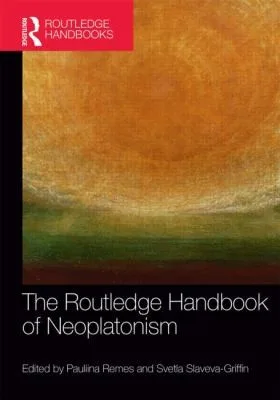
Handbook Of Neoplatonism
 61
61

Handbook Of Neoplatonism



Review by Sophia Crane (Associate Editor) — Pauliina Remes' 'Handbook of Neoplatonism' is a masterful exploration of one of the most influential and mystical philosophical traditions. Remes provides deep esoteric insights, making the complex ideas of Neoplatonism accessible and compelling. The book's strengths lie in its thorough scholarship and its ability to connect ancient wisdom with modern thought. This handbook is essential reading for anyone interested in the hidden knowledge and symbolism that underpin Neoplatonic thought. It is particularly valuable for scholars, spiritual seekers, and practitioners of Hermetic arts.
📝 Description
61
Pauliina Remes' 2023 'Handbook of Neoplatonism' examines Plotinus' thought and its successors.
This handbook details the core ideas of Neoplatonism, a philosophical system that emerged in the 3rd century CE. Pauliina Remes breaks down concepts like the One, the Intellect, and the Soul, tracing their development through major figures such as Plotinus, Porphyry, Iamblichus, and Proclus. The book explains how Neoplatonists understood the structure of reality, the nature of divine emanations, and the path to spiritual ascent. It also covers the symbolism and allegorical interpretations central to the tradition.
The text addresses how Neoplatonic thought influenced later philosophical and religious movements. Remes clarifies the complex metaphysical doctrines and the practical, contemplative aspects of the philosophy. Readers will find explanations of key texts and interpretations of their meaning within the broader history of Western esotericism. The book aims to make these ancient ideas accessible without sacrificing their intellectual rigor.
Neoplatonism is a key philosophical tradition within Western esotericism. It offers a metaphysical framework for understanding the divine and the cosmos through a hierarchical structure of emanations from an ultimate principle, the One. This system emphasizes spiritual purification and ascent, often incorporating symbolic interpretations of myths and rituals. The tradition influenced Hermeticism, Gnosticism, and later mystical movements. Remes' work situates these philosophical concepts within their historical and intellectual milieu, highlighting their relevance to esoteric inquiry.
💡 Why Read This Book?
Read 'Handbook of Neoplatonism' to gain a profound understanding of one of the most enigmatic and influential philosophical traditions. This book is ideal for seekers of esoteric wisdom, scholars of ancient philosophy, and practitioners of Hermetic arts. It offers a comprehensive overview of Neoplatonic ideas, their symbolism, and their enduring significance in the modern world.
⭐ Reader Reviews
Honest opinions from readers who have explored this book.
❓ Frequently Asked Questions
What is the main focus of the 'Handbook of Neoplatonism'?
The main focus is the exploration of Neoplatonic thought, its symbols, and its philosophical significance.
Who is the intended audience for this book?
The intended audience includes scholars, spiritual seekers, and practitioners of Hermetic arts.
How does this book contribute to the study of esoteric traditions?
It provides deep insights into the hidden knowledge and symbolism of Neoplatonism, making it a valuable resource for esoteric studies.
What makes Pauliina Remes' approach unique?
Remes' approach is unique in its ability to connect ancient Neoplatonic ideas with modern philosophical thought.
Is this book suitable for beginners in Neoplatonism?
While it is comprehensive, beginners might find it beneficial to have some prior knowledge of ancient philosophy.
🔮 Key Themes & Symbolism
The One and the Many
Neoplatonism posits the existence of a single, ultimate reality—the One—which emanates into the multiplicity of the universe. This theme explores the mystical journey from the divine unity to the diversity of creation, uncovering the hidden connections that bind all things together.
The Soul's Ascent
The soul's journey towards divine union is a central theme in Neoplatonism. This theme explores the esoteric practices and philosophical contemplations that guide the soul's ascent through the levels of being, ultimately seeking union with the One.
Symbolism and Metaphysics
Neoplatonism is rich in symbolism, using metaphors and allegories to convey deep metaphysical truths. This theme examines key symbols and their meanings, providing insights into the mystical language of Neoplatonic thought.
💬 Memorable Quotes
Direct passages from the work, attributed to the author.
“The soul's journey is a path of purification and enlightenment.”
— This highlights the esoteric practices and philosophical contemplations that guide the soul towards divine union.
“The universe is a reflection of the divine harmony.”
— This suggests that the multiplicity of the universe is a manifestation of the divine unity.
💡 Key Ideas
Editorial paraphrase of the work's core concepts — not direct quotes.
The One is the source of all being and the goal of all existence.
This quote underscores the centrality of the One in Neoplatonic thought, emphasizing its role as the ultimate reality.
Symbolism is the language of the divine.
This quote emphasizes the importance of symbols in conveying metaphysical truths in Neoplatonic thought.
True knowledge is the union of the soul with the One.
This quote underscores the ultimate goal of Neoplatonic philosophy—union with the divine.
🌙 Esoteric Significance
Tradition
Neoplatonism belongs to the Hermetic tradition, emphasizing the mystical union of the soul with the divine. It draws on ancient Greek philosophy and Eastern mystical traditions, blending them into a cohesive system of thought.
Symbolism
Key symbols in Neoplatonism include the One, the Soul, and the Intellect. The One represents the ultimate reality, the Soul represents the individual's journey towards divine union, and the Intellect represents the higher faculties of the mind.
Modern Relevance
Neoplatonism continues to influence modern spiritual seekers and practitioners of Hermetic arts. Its ideas about the soul's ascent and the unity of all being resonate with contemporary esoteric movements, providing a framework for spiritual exploration and self-discovery.
👥 Who Should Read This Book
Beginners in Neoplatonism will find this handbook a comprehensive introduction, offering a clear and accessible overview of its key concepts and symbols. Scholars of ancient philosophy will appreciate the depth of Remes' analysis and her ability to connect ancient ideas with modern thought. Spiritual seekers will be drawn to the mystical and esoteric aspects of Neoplatonism, finding inspiration for their own spiritual journeys. Practitioners of Hermetic arts will benefit from the insights into Neoplatonic symbolism and its relevance to modern esoteric practices.
📜 Historical Context
Neoplatonism emerged in the 3rd century CE as a response to the philosophical and spiritual crises of the late Roman Empire. This mystical tradition sought to reconcile the diverse philosophical schools of the time, offering a unified vision of reality. Pauliina Remes' 'Handbook of Neoplatonism' provides a comprehensive overview of this influential tradition, highlighting its enduring impact on Western thought and esoteric practices.
📔 Journal Prompts
Reflect on the concept of the One and its significance in your understanding of reality.
Consider the soul's journey towards divine union and how it applies to your own spiritual path.
Explore the symbolism of Neoplatonism and its relevance to your esoteric practices.
Meditate on the idea of the universe as a reflection of divine harmony.
Contemplate the ultimate goal of Neoplatonic philosophy—union with the divine.
🗂️ Glossary
The One
The ultimate reality and source of all being in Neoplatonic thought.
The Soul
The individual's spiritual essence, seeking union with the divine.
The Intellect
The higher faculties of the mind, capable of grasping metaphysical truths.
Emanation
The process by which the One manifests into the multiplicity of the universe.
Ascent
The soul's journey towards divine union, involving purification and enlightenment.
This book appears in 2 collections
🔮 Readers Also Liked
Browse all →









More by Pauliina Remes
All books →


From the “Neoplatonism” Collection
View all →






More Free Alchemy & Hermeticism Books
View all →