Gone
 75
75

Gone
Lisa McMann’s "Gone" presents a compelling premise: a teenage girl who can see the ghosts of murder victims, compelled to help them find peace. The narrative effectively uses this supernatural element to drive a suspenseful plot. Janelle, the protagonist, is a well-developed character, her empathy for the spirits a driving force. A particular strength lies in how the book portrays the weight of Janelle's ability, not as a superpower, but as a burden that isolates her. However, the resolution, while satisfying in its own way, feels somewhat rushed, particularly the unraveling of the central mystery in the final act. The pacing falters slightly as the book moves towards its conclusion, leaving some plot threads feeling less explored than they could have been. Despite this, the novel’s exploration of justice and lingering trauma is handled with a maturity that elevates it beyond a simple ghost story. "Gone" offers an affecting supernatural mystery with a solid emotional core.
📝 Description
75
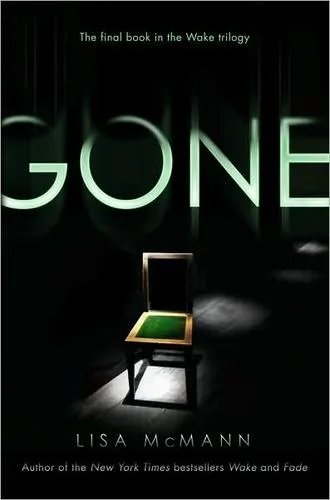
Lisa McMann's 2010 novel Gone features a protagonist who sees murder victims' ghosts.
The young adult novel Gone, published in 2010, centers on a teenage girl namedomaly who can see the ghosts of murder victims. These spirits are unable to move on until their killer is brought to justice. This ability thrusts anomaly into the role of an investigator, as she must help the spirits find peace by identifying their murderers. The narrative blends elements of mystery and the supernatural, examining the lasting effects of violence and the complexities of life and death.
The story follows anomaly as she navigates her unusual gift and the dangerous situations it creates. She must confront not only the killers but also the emotional toll her experiences take. The book uses its supernatural premise to explore themes of justice, trauma, and the struggle for resolution for both the living and the dead. The concept of 'going' refers to the spirit's final release from the earthly plane.
Published in 2010, Gone entered a market where young adult supernatural fiction had gained significant traction. While many popular series focused on vampires or dystopian societies, McMann's novel carves out a niche with its ghost centric mystery. It taps into a long standing fascination with the spectral and the afterlife, common in occult traditions. The book positions itself within a modern literary trend of making paranormal phenomena accessible to a younger audience, using the ghost motif to explore darker, more mature themes.
💡 Why Read This Book?
• You will gain insight into the unique narrative device of a protagonist who acts as a conduit for the unresolved energies of murder victims, a concept central to "Gone"'s plot. • You will experience the emotional weight of a character burdened by seeing and interacting with spirits, exploring themes of justice and closure as presented in McMann's 2010 novel. • You will feel the suspense of a ghost-driven mystery where the protagonist must uncover the truth behind the deaths to grant peace to the lingering souls, a core element of the narrative.
⭐ Reader Reviews
Honest opinions from readers who have explored this book.
❓ Frequently Asked Questions
What is the supernatural ability of the protagonist in Lisa McMann's "Gone"?
The protagonist, Janelle, possesses the ability to see and interact with the ghosts of murdered individuals. These spirits are unable to move on until their killer is brought to justice.
What is the main conflict in the book "Gone"?
The main conflict revolves around Janelle's struggle to help the ghosts of murder victims find justice and peace, often putting herself in danger as she investigates the crimes.
Who is the author of "Gone"?
The author of "Gone" is Lisa McMann, who first published the novel in 2010.
What are the primary themes explored in "Gone"?
The book explores themes of justice, death, the afterlife, trauma, and the consequences of violence, all viewed through the lens of a young protagonist interacting with the deceased.
Is "Gone" part of a series?
Yes, "Gone" is the first book in the "Wake" trilogy by Lisa McMann, followed by "Fade" and "Flicker".
What is the target age group for "Gone"?
"Gone" is classified as young adult fiction, generally recommended for readers aged 13 and older, due to its suspenseful themes and supernatural elements.
🔮 Key Themes & Symbolism
Ghosts and Unfinished Business
The core of "Gone" is the concept of lingering spirits, specifically those of murder victims. These ghosts are not merely spectral apparitions but entities tethered to the living world by the need for justice. Their inability to 'go' until their killer is apprehended forms the central supernatural mechanic and drives the plot. This theme explores the idea that unresolved earthly matters, particularly violent ones, can create a powerful psychic residue that affects both the spirit world and the living, creating a compelling narrative engine.
Justice and Retribution
The novel deeply engages with the concept of justice, both legal and spiritual. Janelle's ability forces her to confront the failures of the justice system and the personal quests for retribution that haunt the dead. The book questions what true justice entails – is it simply catching the perpetrator, or is it a deeper form of peace and understanding for the victim? The narrative presents Janelle as an unconventional arbiter, bridging the gap between the victims' pleas and the need for concrete action in the human world.
The Burden of Empathy
Janelle's gift is not portrayed as an empowering superpower but as a profound burden. Her constant exposure to the pain, fear, and anger of murder victims weighs heavily on her psyche. This theme highlights the isolating nature of extreme empathy and the psychological toll of bearing witness to tragedy. The novel looks at how such an ability, while potentially useful, can alienate the protagonist from her peers and force her into a solitary, emotionally taxing existence.
Life, Death, and Transition
"Gone" offers a unique perspective on the transition between life and death. The state of being a ghost in the book is not one of rest but of restless waiting. The act of 'going' represents a release, a successful passage into whatever comes after. The narrative uses this spectral purgatory to examine the value of life and the finality of death, while also suggesting that the elements of our lives can persist beyond our physical existence, influencing those left behind.
💬 Memorable Quotes
Direct passages from the work, attributed to the author.
“The ghosts were always there, waiting for me.”
— This statement captures the protagonist's inescapable connection to the spectral realm. It highlights that her ability is not an occasional event but a constant presence, shaping her perception of reality and her interactions with the world.
“I saw their last moments, their fear.”
— This conveys the harrowing nature of Janelle's gift. She doesn't just see ghosts; she experiences the trauma of their final moments, emphasizing the emotional and psychological burden she carries.
“Justice wasn't just about punishment, it was about peace.”
— This interpretation reflects a core theme of the novel. It suggests that true justice involves not only apprehending the guilty but also providing closure and a sense of resolution for the victims and their lingering spirits.
“Sometimes, the living are more dangerous than the dead.”
— This sentiment underscores the novel's suspenseful nature. It implies that the true threats and sources of conflict often come from the human characters, rather than the spectral ones, adding layers to the mystery.
💡 Key Ideas
Editorial paraphrase of the work's core concepts — not direct quotes.
They couldn't move on until their killer was caught.
This paraphrased concept articulates the central supernatural rule of the book. It establishes the driving force behind the plot: the ghosts' need for justice is directly linked to their ability to find peace and transition beyond the earthly plane.
🌙 Esoteric Significance
Tradition
While not explicitly tied to a single esoteric lineage, "Gone" draws upon broad concepts found in spiritualism and ghost lore prevalent in Western occult traditions. It echoes themes of hauntings and unfinished business common in mediums' narratives and folklore surrounding restless spirits. The work departs from more structured systems like Kabbalah or Hermeticism by focusing on an intuitive, empathetic connection to the deceased rather than a codified magical practice. Its focus on the victim's perspective and the need for justice aligns with a more generalized spiritualist concern for the well-being of souls.
Symbolism
The primary symbol is the ghost itself, representing unresolved trauma, the lingering impact of violence, and the desperate need for closure. The act of 'going' signifies spiritual release and transition, a common motif in many afterlife beliefs. Another symbolic element is the protagonist's sight, which acts as a conduit to the spiritual realm, symbolizing awareness and the burden of bearing witness to unseen realities. The concept of the 'killer' represents the earthly forces that disrupt spiritual peace and create the conditions for lingering spirits.
Modern Relevance
The themes of "Gone" resonate with contemporary discussions around trauma, restorative justice, and the persistence of psychic energy. While not a direct influence on specific modern occult practices, the book's exploration of how violent acts can leave an imprint on a location or individuals connects with concepts found in psychometry and hauntings research. Modern paranormal investigators and mediums often grapple with similar questions about spirits' motivations and their connection to earthly events, making the narrative's premise relevant to audiences interested in the empirical and experiential aspects of the supernatural.
👥 Who Should Read This Book
• Young adults interested in supernatural mysteries that blend suspense with emotional depth. They will appreciate Janelle's unique ability and her quest for justice. • Readers exploring themes of life, death, and the afterlife through fiction. They will find the book's perspective on lingering spirits and spiritual transition engaging. • Fans of paranormal fiction looking for a story with a strong protagonist and a well-developed plot. They will enjoy the fast-paced narrative and the exploration of consequences.
📜 Historical Context
When Lisa McMann's "Gone" was released in 2010, the young adult literary landscape was experiencing a surge in supernatural and dystopian fiction. Following the massive success of series like Stephenie Meyer's "Twilight" (2005-2008) and Suzanne Collins' "The Hunger Games" (2008-2010), publishers actively sought out genre-bending stories for teen audiences. "Gone" fit into this trend by offering a unique twist on the ghost story, blending paranormal elements with a compelling mystery narrative. While vampire romances and dystopian survival tales dominated bestseller lists, McMann carved out a niche by focusing on the specific plight of murder victims' ghosts. The book's reception was generally positive, contributing to the diverse array of supernatural themes explored in YA literature during that period, demonstrating a continued reader appetite for stories that explore death and the afterlife through a speculative lens. It wasn't a direct response to a specific intellectual movement, but rather a product of a market hungry for imaginative supernatural tales.
📔 Journal Prompts
The lingering presence of spirits like those in "Gone" and their demand for justice.
Janelle's burden of empathy and her isolation.
The concept of 'going' and what it signifies for a soul.
Reflecting on the nature of justice when the legal system fails.
The parallels between a ghost's unfinished business and unresolved issues in one's own life.
🗂️ Glossary
Going
In the context of "Gone," 'going' refers to the process by which the ghosts of murder victims are able to find peace and move on from the earthly plane, typically after their killer is apprehended.
Ghost
In this novel, a ghost is the spirit of a murdered person who remains tethered to the physical world, unable to transition to an afterlife until justice is served for their death.
Justice
The novel explores justice not only as legal retribution but as a spiritual imperative for the ghosts, signifying the resolution of their violent end and the attainment of peace.
Sight
Refers to the protagonist Janelle's supernatural ability to perceive and interact with the ghosts of murder victims, a gift that serves as the primary engine for the plot.
Unfinished Business
This refers to the unresolved matters, primarily the need for their killer to be caught, that keep the ghosts bound to the world of the living in "Gone".
Transition
The movement of a spirit from the earthly plane to the afterlife, facilitated in the book by the resolution of the murder that caused their death and bound them to the world.
Trauma
The psychological and emotional impact of violent death, which the ghosts carry and which the protagonist experiences through her ability, forming a significant theme.
🔮 Readers Also Liked
Browse all →









More by Lisa McMann
All books →





More Free Occult Philosophy Books
View all →