Goetia
 82
82

Goetia
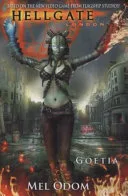
Mel Odom’s *Goetia* is a curious artifact, a novelization of a video game that itself draws heavily from one of the foundational texts of Western ceremonial magic. The strength of the work lies in its ability to translate the often dry, ritualistic instructions of the *Ars Goetia* into a more accessible, narrative format. Odom successfully injects a sense of drama into the conjuration process, making the interactions with the seventy-two Goetic spirits feel more immediate than they might in a purely academic or practical grimoire. However, the novel occasionally struggles under the weight of its source material. While the plot moves forward, the deep symbolic and psychological layers inherent in the original Goetic tradition are necessarily simplified for a broader audience. A particularly effective passage involves the careful description of a conjuration ritual, highlighting the protagonist's meticulous adherence to the text's instructions, which underscores the blend of danger and precision central to the practice. Ultimately, *Goetia* serves as an entertaining, if somewhat superficial, gateway to a complex occult system.
📝 Description
82
Mel Odom's 2008 novelization translates the *Ars Goetia* into a narrative of spirit conjuration.
This volume adapts the arcane lore of the *Ars Goetia*, a 17th-century grimoire contained within the *Lesser Key of Solomon*, into a fictional story. It focuses on the seventy-two infernal spirits described in the text, detailing their hierarchies and unique sigils. Odom uses these elements to create a narrative that examines the purported powers and characteristics of these entities.
The novel is suited for readers of dark fantasy and occult fiction, particularly those interested in historical grimoires and Western esotericism. It appeals to those who engage with complex mythological or religious systems through narrative. The book connects the academic study of demonology with speculative fiction, drawing in both experienced occult practitioners and curious newcomers to the Goetic tradition.
Odom's work incorporates core Goetic ideas, such as self-transformation through engagement with adversarial forces, the strict requirements of ritual language, and the symbolic structure of spiritual ranks. It addresses the difficulties of protecting one's psyche when dealing with figures described as demonic.
The *Ars Goetia*, most famously appearing in the 17th-century *Lesser Key of Solomon*, is a significant text in ceremonial magic. It details a system for evoking spirits, a practice that saw renewed interest during occult revivals, notably in the late 19th and early 20th centuries. Mel Odom's novelization places these historical practices within a contemporary fictional setting, allowing for a fresh look at their persistent mystique and the ideas surrounding spirit evocation.
💡 Why Read This Book?
• Learn about the historical context of the *Ars Goetia*, understanding its place within 17th-century grimoire traditions and its later interpretations by figures like Aleister Crowley, providing a unique narrative entry point. • Experience the dramatic potential of Goetic conjuration through Odom's storytelling, offering a fictionalized account of interacting with the seventy-two spirits and their sigils. • Gain a narrative perspective on the symbolic challenges of confronting archetypal forces, as depicted in the novel's plot, which can offer a different kind of engagement than purely practical or historical texts.
⭐ Reader Reviews
Honest opinions from readers who have explored this book.
❓ Frequently Asked Questions
What is the 'Ars Goetia' that Mel Odom's book is based on?
The 'Ars Goetia' is the first section of the 17th-century grimoire, the *Lesser Key of Solomon*. It details the ritualistic summoning and control of seventy-two specific demons or spirits.
When was Mel Odom's novelization of Goetia first published?
Mel Odom's novelization titled 'Goetia' was first published in 2008, adapting a computer game that drew from the esoteric text.
Does the book 'Goetia' by Mel Odom contain actual magical rituals?
No, Mel Odom's 'Goetia' is a fictional novelization. While it incorporates elements and names from the historical *Ars Goetia*, it does not provide instructions for performing actual magical rituals.
Who are the seventy-two spirits mentioned in relation to 'Goetia'?
The seventy-two spirits are the entities detailed in the *Ars Goetia*, each with a unique name, rank, and sigil, purportedly capable of bestowing knowledge or fulfilling certain requests when properly summoned.
Is this book suitable for someone new to occult literature?
Yes, as a novelization, it can serve as an accessible introduction to the concepts and figures of the Goetia for those unfamiliar with traditional grimoires or occult philosophy.
What is the primary difference between Odom's 'Goetia' and the original grimoire?
The primary difference is format and intent: Odom's work is a fictional narrative adapted from a video game, whereas the *Ars Goetia* is a historical text intended for ceremonial magic practice.
🔮 Key Themes & Symbolism
The Seventy-Two Spirits
The book focuses on the pantheon of seventy-two spirits cataloged in the *Ars Goetia*. Each spirit is presented with its unique characteristics and purported abilities, moving beyond mere lists to explore their roles within the narrative. This theme studies the hierarchical structure and the individual nature of these entities as depicted in Odom's fictional world, drawing directly from the historical grimoire's descriptions.
Ritual and Evocation
Central to the narrative is the act of ritualistic summoning, or evocation, of these Goetic entities. The book illustrates the process, emphasizing the precision and intent required, as outlined in traditional ceremonial magic texts. This theme explores the psychological and dramatic implications of engaging with powerful, often perceived as dangerous, spiritual forces within a fictional context.
Sigils and Symbolism
The distinct sigils of each Goetic spirit are presented as crucial elements for identification and conjuration. These symbols are not just decorative but functional within the narrative's magical system, representing the unique essence or power of each entity. The theme examines how these visual keys unlock access to the spirit world and serve as focal points for magical operations.
The Nature of Power
The novelization probes the concept of power, both internal and external. It explores the challenges faced by those who seek to wield the power associated with the Goetic spirits, touching upon themes of control, corruption, and the personal cost of such endeavors. The narrative uses the interaction with these entities to examine the protagonist's own will, resilience, and understanding of true authority.
💬 Memorable Quotes
Direct passages from the work, attributed to the author.
“To command them was to understand them, a dangerous balance.”
— This interpretation suggests the novel explores the theme that true mastery over the Goetic spirits requires not just force but also comprehension of their nature, hinting at the inherent risks in such knowledge acquisition.
“The circle was both prison and sanctuary.”
— This conveys the dual nature of the magical circle in protective rituals: it confines the summoned entity while simultaneously safeguarding the magician, illustrating the precariousness of the conjuration process.
💡 Key Ideas
Editorial paraphrase of the work's core concepts — not direct quotes.
The conjuration demands absolute focus, every word precise.
This paraphrased concept highlights the critical importance of meticulous ritual practice as depicted in the novel, emphasizing that even minor deviations could have significant consequences in the magical undertaking.
Each spirit bore a unique sigil, a key to its very being.
This paraphrase underscores the symbolic power attributed to the sigils in Goetic magic, presenting them not just as identifying marks but as essential tools for accessing and commanding the infernal entities.
He consulted the grimoire, the ancient text a guide through infernal ranks.
This paraphrase emphasizes the role of the historical grimoire, specifically the *Ars Goetia*, as the authoritative source and essential tool for reading through the complex hierarchy of spirits within the narrative.
🌙 Esoteric Significance
Tradition
The work is rooted in the Western ceremonial magic tradition, specifically drawing from the grimoire lore surrounding the evocation of spirits. It aligns with the practical magical aims often associated with texts like the *Lesser Key of Solomon*, focusing on the command and interaction with named entities. While departing from a purely instructional format, it engages with the tradition's emphasis on hierarchy, divine invocation for authority, and the precise use of ritual tools and language.
Symbolism
Key symbols include the seventy-two Goetic sigils, each a unique glyph representing a specific spirit and serving as a point of focus for conjuration. The magical circle and triangle of manifestation are also crucial, symbolizing the magician's protected space and the designated area for the spirit's appearance, respectively. These elements represent the ordered containment and controlled interaction with potentially chaotic or powerful forces.
Modern Relevance
Contemporary occult practitioners, particularly those involved in demonolatry or ceremonial magic, continue to reference and work with the *Ars Goetia*. Modern interpretations often explore the psychological or archetypal significance of these spirits, moving beyond literal interpretations. Odom's novelization, while fictional, contributes to the ongoing cultural engagement with these figures, potentially sparking interest in the original texts and their varied applications in modern esoteric thought.
👥 Who Should Read This Book
• Fans of dark fantasy and occult fiction seeking a narrative exploration of historical grimoires and demonology. • Students of Western esotericism interested in how occult concepts are adapted into popular media like video games and novels. • Readers curious about the *Ars Goetia* but intimidated by dense, ancient texts, looking for an accessible fictional entry point.
📜 Historical Context
Mel Odom's *Goetia*, published in 2008, emerges from a long lineage of interest in the *Ars Goetia*, a key component of the 17th-century grimoire *The Lesser Key of Solomon*. This text gained significant traction during the occult revivals of the late 19th and early 20th centuries, most notably through Aleister Crowley's interpretations and adaptations in his *The Book of the Goetia of Solomon the King* (1904). Odom's work is a novelization of a computer game, placing these ancient occult concepts into a modern, narrative framework. This approach contrasts with the more direct practical or academic explorations of the Goetia by contemporaries like Stephen Skinner, who published scholarly editions and analyses of grimoires around the same period. The reception of the *Ars Goetia* itself has varied, from being dismissed as mere folklore to being adopted as a serious tool within ceremonial magic traditions, a duality Odom's fictional treatment implicitly engages with by making the system accessible through story.
📔 Journal Prompts
The seventy-two spirits and their unique sigils: which entity's description or function most intrigues you, and why?
Ritual precision: Reflect on the importance of exactitude in a process demanding focus, as depicted in the novel's conjurations.
The concept of the magical circle as both 'prison and sanctuary': How does this duality apply to confronting challenging aspects of oneself?
Mel Odom's narrative approach to the *Ars Goetia*: What narrative techniques did the author employ to make the arcane accessible?
The nature of power: Consider the fictional depiction of wielding power through spirit evocation and its potential consequences.
🗂️ Glossary
Ars Goetia
The first section of the *Lesser Key of Solomon*, a 17th-century grimoire detailing the ritualistic summoning of seventy-two infernal spirits.
Sigil
A magical symbol or emblem, particularly one used to represent a specific spirit or angelic being in ceremonial magic.
Evocation
The magical practice of summoning spirits or entities from another realm or dimension, typically with the intention of communication or command.
Grimoire
A textbook of magic, typically containing instructions on how to create magical objects, perform rituals, and summon spirits.
Lesser Key of Solomon
A compilation of grimoires attributed to King Solomon, with the *Ars Goetia* being its most famous and influential section.
Ceremonial Magic
A broad category of magical traditions that emphasize ritualistic practices, often involving elaborate preparations, invocations, and the use of symbolic tools.
Demonolatry
The worship or veneration of demons, often viewing them not as purely evil entities but as powerful beings with complex natures.