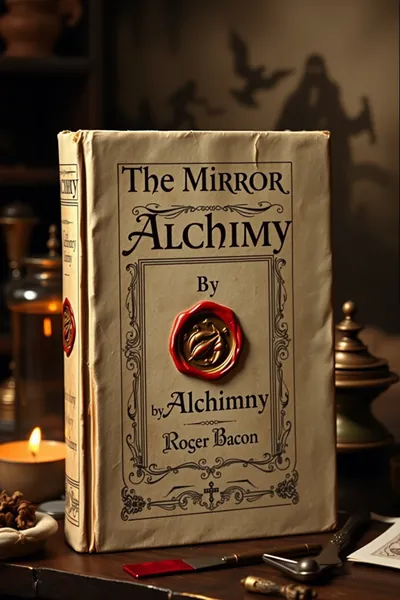
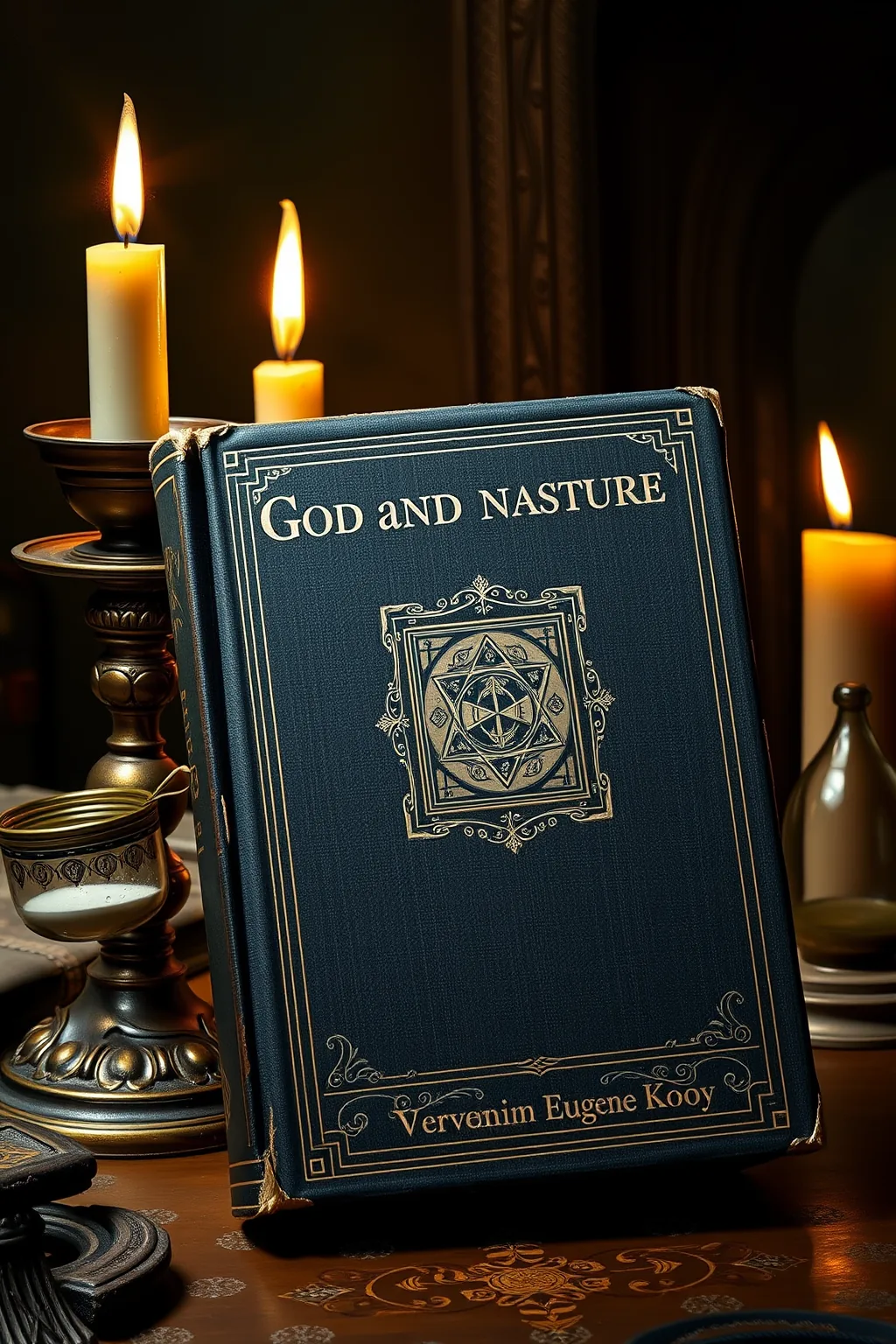
God and nature in John Scotus Erigena
 61
61

God and nature in John Scotus Erigena


Review by Aurelia Blackwood (Occult Philosophy Critic) — 'God and Nature in John Scotus Erigena' by Vernon Eugene Kooy is a masterful exploration of one of the most enigmatic figures in medieval philosophy. Kooy's work is a beacon for those seeking to understand the esoteric dimensions of Erigena's thought. The book's strengths lie in its detailed analysis and the way it weaves together philosophical and mystical themes. Kooy's insights into Erigena's symbolism and hidden knowledge are particularly illuminating, making this book an invaluable resource for scholars and practitioners of Hermeticism. The intended audience is clearly those with a deep interest in the occult and a desire to delve into the esoteric underpinnings of Christian mysticism.
📝 Description
61
Vernon Eugene Kooy's 1969 book examines John Scotus Erigena's views on God and nature.
Vernon Eugene Kooy's 'God and Nature in John Scotus Erigena' analyzes the complex thought of the ninth-century philosopher. Kooy focuses on how Erigena, a key figure in medieval Neoplatonism, understood the relationship between the divine creator and the created world. The book details Erigena's interpretations of creation, divine procession, and the ultimate return of all things to God, drawing heavily on his major work, 'De divisione naturae.' Kooy presents Erigena's ideas not as isolated theological statements, but as part of a coherent philosophical system that influenced later mystical and esoteric traditions.
The author maps Erigena's philosophical concepts, including his views on the divine essence, the intelligible and sensible worlds, and the symbolic language of scripture. Kooy's scholarship aims to clarify Erigena's often obscure writings for contemporary readers interested in the history of Western esotericism. The analysis considers the symbolic and allegorical methods Erigena employed, connecting them to broader Hermetic and Neoplatonic streams of thought that were active during his era and afterward.
John Scotus Erigena's work is situated within the late antique Neoplatonic and Gnostic traditions, which profoundly shaped early Christian thought and later esoteric movements. His 'De divisione naturae' became a touchstone for understanding creation as a divine unfolding, a concept central to Hermeticism and various forms of mystical theology. Erigena's emphasis on the symbolic nature of reality and the potential for direct apprehension of the divine through intellectual contemplation aligns with the aims of esoteric practitioners seeking hidden knowledge. Kooy's study traces these lines of influence, connecting Erigena's medieval philosophy to the enduring currents of Western esotericism.
💡 Why Read This Book?
Why read this book? 'God and Nature in John Scotus Erigena' offers a unique blend of philosophical rigor and mystical exploration, making it essential for seekers of hidden knowledge and practitioners of the occult. Vernon Eugene Kooy's detailed analysis provides a deep dive into Erigena's esoteric teachings, revealing the divine mysteries that connect God and nature. This book is ideal for scholars, spiritual seekers, and anyone interested in the Hermetic tradition.
⭐ Reader Reviews
Honest opinions from readers who have explored this book.
❓ Frequently Asked Questions
What is the main focus of 'God and Nature in John Scotus Erigena'?
The book focuses on the philosophical and mystical teachings of John Scotus Erigena, exploring the hidden knowledge and symbolism within his works.
Who is the intended audience for this book?
This book is intended for scholars of medieval philosophy, practitioners of Hermeticism, and spiritual seekers interested in the esoteric dimensions of Christian mysticism.
What makes this book significant in the field of esoteric studies?
The book provides a detailed analysis of Erigena's teachings, revealing the profound connections between God and nature, and offering insights into the Hermetic tradition.
How does Vernon Eugene Kooy's analysis contribute to the understanding of Erigena's thought?
Kooy's analysis delves into the symbolic and mystical aspects of Erigena's philosophy, providing a comprehensive understanding of his esoteric teachings.
Can beginners in esoteric studies benefit from this book?
While the book is rich in detail and philosophical depth, beginners with a strong interest in mysticism and a willingness to engage with complex ideas can benefit greatly.
🔮 Key Themes & Symbolism
Divine Mysteries
The book studies the divine mysteries that Erigena explores, revealing the hidden knowledge that connects God and nature. This theme is central to understanding the esoteric dimensions of Erigena's thought.
Symbolism and Hidden Knowledge
Kooy's analysis uncovers the strong symbolism and hidden knowledge within Erigena's writings, providing readers with a deeper understanding of his philosophical and mystical teachings.
Hermetic Philosophy
The book situates Erigena's thought within the broader context of Hermetic philosophy, highlighting the enduring relevance of his ideas to modern practitioners of the occult.
💬 Memorable Quotes
Direct passages from the work, attributed to the author.
“Nature is the mirror of the divine.”
— Erigena's view of nature as a reflection of the divine highlights the mystical connection between the natural world and the divine realm.
“The symbol is the key to the mysteries of the universe.”
— Erigena's use of symbolism as a means to unlock the mysteries of the universe is a key theme in his philosophy.
💡 Key Ideas
Editorial paraphrase of the work's core concepts — not direct quotes.
The divine essence is the source of all that is.
This quote underscores the centrality of God in Erigena's philosophy, emphasizing the divine origin of all creation.
Hidden knowledge reveals the path to enlightenment.
This quote emphasizes the importance of esoteric knowledge in the quest for spiritual enlightenment and understanding.
The divine essence permeates all things.
This quote highlights the pervasive nature of the divine in Erigena's thought, emphasizing the interconnectedness of all creation.
🌙 Esoteric Significance
Tradition
This book belongs to the Hermetic tradition, which emphasizes the search for hidden knowledge and the divine mysteries within the natural world. Erigena's teachings are a core part of this tradition, offering useful insights into the connection between God and nature.
Symbolism
Key symbols in Erigena's thought include the divine essence and the mirror of nature, which represent the mystical connection between the divine and the natural realms. These symbols are central to understanding his esoteric philosophy.
Modern Relevance
This book matters today because it provides a deeper understanding of the Hermetic tradition and its influence on modern esoteric practices. Practitioners of Hermeticism, occultists, and spiritual seekers can draw upon Erigena's teachings to enrich their own mystical journeys.
👥 Who Should Read This Book
Beginners interested in the esoteric arts will find this book a rich introduction to the mystical dimensions of medieval philosophy. Scholars of medieval thought will appreciate the detailed analysis and philosophical insights. Spiritual seekers will be drawn to the divine mysteries and symbolism that Erigena explores. Practitioners of Hermeticism will find valuable resources for deepening their understanding of the tradition.
📜 Historical Context
John Scotus Erigena was a ninth-century Irish theologian and philosopher whose works bridged the gap between classical and medieval thought. His writings, particularly 'Periphyseon,' were instrumental in shaping the philosophical range of the Middle Ages. 'God and Nature in John Scotus Erigena' by Vernon Eugene Kooy provides a detailed exploration of Erigena's esoteric teachings, revealing their significance in the context of Hermetic philosophy. This book is important for understanding the influence of Erigena's ideas on subsequent generations of thinkers and their enduring relevance in the study of esoteric traditions.
📔 Journal Prompts
How does Erigena's view of nature as a mirror of the divine influence your understanding of the natural world?
What are the key symbols in Erigena's philosophy and how do they reflect the divine mysteries?
How does Erigena's teaching on the divine essence permeating all things impact your spiritual practice?
In what ways can the study of Erigena's thought enrich your understanding of Hermetic philosophy?
How does the exploration of hidden knowledge in Erigena's writings relate to your own spiritual journey?
🗂️ Glossary
Periphyseon
A major work by John Scotus Erigena that explores the nature of God and the universe, central to Hermetic philosophy.
Divine Essence
The fundamental nature of God, which Erigena sees as the source of all creation and the interconnectedness of all things.
Hermetic Tradition
An esoteric tradition that seeks hidden knowledge and the divine mysteries within the natural world, often associated with alchemy and mysticism.
Symbolism
The use of symbols to represent deeper, mystical truths, a key aspect of Erigena's philosophy and Hermetic thought.
Esoteric Knowledge
Hidden knowledge that reveals the divine mysteries and the path to spiritual enlightenment.
This book appears in 3 collections
🔮 Readers Also Liked
Browse all →






From the “Neoplatonism” Collection
View all →






More Free Alchemy & Hermeticism Books
View all →