Fairies Afield
 78
78

Fairies Afield
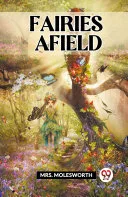
Mary Louisa Molesworth's 'Fairies Afield' offers a charming glimpse into a child's imagined encounter with the fairy folk. The narrative excels in its depiction of a child's perspective, particularly the siblings Tottie and Tittie's innocent discovery of a secret path. This element, where the mundane woods conceal a magical entrance, is handled with a delicate touch characteristic of Molesworth's writing. However, the plot, while sweet, can feel somewhat thin when measured against the more robust narrative structures found in later children's fantasy. The fairy world itself, though present, remains somewhat ethereal, lacking the detailed world-building that might fully immerse a modern reader. A notable strength is Molesworth's ability to evoke a sense of gentle wonder, as seen in the children's simple awe upon finding the fairy road. Despite its age, the story’s core appeal—the promise of secret magic—endures. It is a delicate confection of a tale, best appreciated for its historical charm and innocent outlook.
📝 Description
78
Published in 1902, 'Fairies Afield' invites children into a secret world of fairies.
Mary Louisa Molesworth's 1902 book, 'Fairies Afield,' follows siblings Tottie and Tittie as their innocent curiosity leads them to a hidden path in the woods. This path unfurls into the ethereal realm of fairies, where their encounters blur the lines between the mundane and the mystical. The narrative captures a child's natural wonder as it meets the magical inhabitants of folklore. It is a story built on the premise of secret encounters and the imaginative possibilities within children's fantasy of the late Victorian era.
This book is suited for young readers, particularly those aged 7-10, who are developing an interest in fantasy literature and folklore. It appeals to children who enjoy stories about magical creatures, secret worlds, and imaginative adventures. Parents and educators seeking classic children's literature that sparks imagination and introduces gentle themes of discovery will find it suitable. Its straightforward narrative makes it accessible for early independent readers.
Emerging from the late Victorian era's rich landscape of children's literature, 'Fairies Afield' reflects a period of burgeoning interest in the supernatural and folkloric. Molesworth, a contemporary of E. Nesbit and L. Frank Baum, contributed to a tradition that explored magic and childhood wonder. The early 1900s saw a significant output of fairy tales and fantasy novels, often seeking an escape from industrialization through nature-infused narratives. This book stands as an example of that literary current, where the belief in unseen worlds and magical beings was a common imaginative thread.
💡 Why Read This Book?
• Experience the specific Victorian-era charm of discovering a 'secret road in the woods,' a motif prevalent in children's literature around 1902, offering a unique window into past imaginations. • Encounter the characters Tottie and Tittie, whose innocent approach to the fairy world exemplifies Molesworth's gentle narrative style, providing a distinct model for childlike wonder. • Explore the concept of a hidden fairy realm, accessible through a child's natural curiosity, a theme central to the book's publication year and its place within the early 20th-century fantasy tradition.
⭐ Reader Reviews
Honest opinions from readers who have explored this book.
❓ Frequently Asked Questions
What is the main plot of 'Fairies Afield'?
'Fairies Afield' follows two siblings, Tottie and Tittie, who stumble upon a secret road in the woods. This hidden path leads them into the magical world of fairies, where they experience fantastical encounters.
Who wrote 'Fairies Afield' and when was it published?
The book was written by Mary Louisa Molesworth and was first published in 1902, placing it firmly within the late Victorian/early Edwardian era of children's literature.
What are the key themes in 'Fairies Afield'?
The story explores themes of childhood innocence, the discovery of hidden worlds, the magic of nature, and the blurred lines between reality and fantasy, as experienced by Tottie and Tittie.
Is 'Fairies Afield' suitable for young children?
Yes, it is a children's fantasy story, suitable for readers aged approximately 7-10 who enjoy tales of magic, adventure, and imaginative journeys into folklore.
What makes Molesworth's writing distinctive?
Mary Louisa Molesworth is known for her gentle narrative style, focus on childhood psychology, and ability to create an atmosphere of quiet wonder and enchantment, often set in natural or slightly mysterious locations.
Where does the 'secret road' in the book lead?
The secret road discovered by Tottie and Tittie in the woods is a literal pathway that transports them into the enchanted realm inhabited by fairies.
🔮 Key Themes & Symbolism
The Secret Road
The 'secret road' is an important motif in 'Fairies Afield,' symbolizing the liminal space between the ordinary world and the magical area of fairies. Its discovery by Tottie and Tittie represents a child's innate ability to perceive hidden wonders. This concept aligns with esoteric ideas of parallel worlds or hidden dimensions accessible through specific states of consciousness or purity of heart, a common thread in children's literature of the early 20th century.
Innocent Encounters
The narrative emphasizes the purity and innocence of Tottie and Tittie as the key to their access to the fairy world. This suggests an esoteric principle where heightened perception and lack of cynicism allow one to interact with subtle energies or beings often invisible to adults. Molesworth's depiction highlights how a child's unburdened imagination can act as a conduit for experiencing the magical, a concept echoed in various mystical traditions that value childlike faith.
Nature as a Portal
The setting of the woods, where the secret road is found, underscores the connection between the natural world and the supernatural. In many esoteric traditions, nature is seen as imbued with spirit or elemental forces. 'Fairies Afield' utilizes this by presenting the woods not just as scenery but as a living entity capable of concealing and revealing magical pathways, suggesting that the earth itself holds secrets for those attuned to its mysteries.
The Fairy Realm
The fairy realm itself, though not exhaustively detailed, represents an archetypal dimension of enchantment and otherworldliness. Within esoteric thought, fairies can be interpreted as nature spirits, elementals, or beings from a different vibratory plane. Molesworth's portrayal taps into this enduring folklore, presenting a space where the rules of human logic may not apply, and where the extraordinary is commonplace, reflecting a popular fascination with the unseen during the period of the book's publication.
💬 Memorable Quotes
Direct passages from the work, attributed to the author.
“Fairies Afield is a children's fantasy story written by Mary Louisa Molesworth.”
— This factual statement anchors the book within its genre and authorial context. Molesworth's position as a 'well-known English children's author' in the late 19th and early 20th centuries situates the work within a specific literary tradition and historical period.
“The story follows two siblings, Tottie and Tittie, as they go on a fantastic journey into the world of fairies.”
— This describes the protagonists and the core adventure. The focus on siblings Tottie and Tittie suggests a relatable entry point for young readers, emphasizing the shared experience of wonder and discovery in the fairy realm.
“The book, published in 1902, is part of Molesworth's wide body of work.”
— This provides a specific publication date, placing 'Fairies Afield' in its historical context. It also acknowledges Molesworth's prolific career, indicating this work is representative of her contributions to children's literature.
“The narrative captures a sense of wonder, depicting a child's natural curiosity meeting the magical inhabitants of folklore.”
— This interpretation emphasizes the emotional tone and thematic core of the story. It highlights the interplay between a child's innate curiosity and the encounter with folkloric beings, suggesting a gentle exploration of the unknown.
💡 Key Ideas
Editorial paraphrase of the work's core concepts — not direct quotes.
The children discover a secret road in the woods that leads them to the world of fairies.
This paraphrased concept highlights the central narrative device: a hidden pathway acting as a threshold. It signifies the transition from the mundane to the magical, accessible through exploration and perhaps an openness to the extraordinary, a theme resonant in children's literature and esoteric lore.
🌙 Esoteric Significance
Tradition
While not explicitly aligned with a single esoteric school, 'Fairies Afield' draws heavily from pre-existing European folklore and fairy traditions, which have historically been integrated into various Western esoteric paths. Its emphasis on nature spirits and hidden realms aligns loosely with animistic beliefs and the concept of elementals found in Hermeticism and Rosicrucianism. The work reflects a broader cultural interest in the unseen world prevalent during the late 19th and early 20th centuries, a period also marked by the rise of Theosophy and Spiritualism, which explored non-physical realities.
Symbolism
The 'secret road' is a primary symbol, representing the threshold or portal between the mundane and the magical, the physical and the ethereal. It signifies a transition point accessible through innocence and imaginative perception. The fairy realm itself symbolizes enchantment, untamed nature, and a dimension operating under different laws than the human world. The children, Tottie and Tittie, act as symbols of pure consciousness, uncorrupted by adult skepticism, capable of perceiving and interacting with these subtle realities.
Modern Relevance
Contemporary interest in folklore, nature-based spirituality, and the concept of liminal spaces continues to draw readers to works like 'Fairies Afield.' Modern pagan traditions, particularly those focused on land spirits and elemental magic, find resonance in the book's portrayal of nature as a conduit to the magical. Furthermore, psychological interpretations of fairy tales, exploring archetypal journeys and the integration of the shadow or inner child, find fertile ground in Molesworth's gentle narratives, making it relevant for contemporary self-exploration and literary analysis.
👥 Who Should Read This Book
• Aspiring writers of children's fantasy interested in the historical evolution of the genre, particularly the Victorian and Edwardian eras, will find Molesworth's approach to character and setting instructive. • Students of folklore and mythology seeking classic depictions of fairy interactions and the concept of hidden worlds will appreciate the book's direct engagement with these themes. • Readers exploring themes of childhood innocence and perception in literature, particularly how these qualities facilitate encounters with the extraordinary, will find a gentle yet potent example in Tottie and Tittie's journey.
📜 Historical Context
Published in 1902, 'Fairies Afield' emerges from the twilight of the Victorian era and the dawn of the Edwardian period, a time when children's literature flourished with imaginative tales. Mary Louisa Molesworth was a significant voice, known for her psychological depth and gentle fantasy. She was a contemporary of authors like E. Nesbit, whose own works frequently featured children interacting with magical elements, such as in 'The Railway Children' (1906). The late 19th and early 20th centuries saw a popular fascination with spiritualism and the occult, which seeped into popular culture, including children's stories, often presenting fairies and unseen realms with a sense of wonder rather than outright fear. Molesworth's work contributed to this tradition, offering tales that explored childhood perceptions of magic within natural settings, differentiating itself from the more overtly moralistic tales of earlier periods.
📔 Journal Prompts
The secret road's discovery by Tottie and Tittie: what might it symbolize about accessing hidden knowledge?
Childhood curiosity versus adult skepticism: how does Molesworth portray their interaction with the fairy realm?
The woods as a magical setting: what qualities of nature facilitate encounters with the unseen?
Reflect on the fairy realm as depicted: what are its characteristics and how do they differ from the human world?
Consider the siblings' journey: what does their experience suggest about the nature of belief and reality?
🗂️ Glossary
Fairy Realm
The enchanted dimension or world inhabited by fairies, often depicted as existing parallel to or hidden within the human world, accessible through specific means or thresholds.
Secret Road
A hidden pathway discovered by the protagonists, serving as a literal and symbolic threshold leading from the ordinary world into the magical fairy realm.
Tottie and Tittie
The two young siblings who are the main protagonists of 'Fairies Afield,' whose innocent perspective is key to their discovery and interaction with the fairy world.
Folklore
The traditional beliefs, customs, and stories of a community, passed through the generations by word of mouth, including tales of fairies and magical creatures.
Victorian/Edwardian Children's Literature
Literary works written for children during the reigns of Queen Victoria (1837-1901) and King Edward VII (1901-1910), often characterized by moral instruction, imaginative fantasy, and detailed settings.
Threshold
A point or place of entering or beginning; a doorway or entrance. In 'Fairies Afield,' the secret road acts as a threshold to the fairy realm.
Nature Spirits
Supernatural beings believed in various traditions to inhabit and govern natural elements like trees, rivers, and mountains, often associated with the folk traditions of fairies.