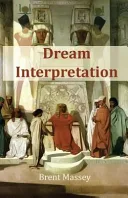
Dream Interpretation Is God's Business
 79
79

Dream Interpretation Is God's Business
Brent Massey’s *Dream Interpretation Is God's Business* offers a refreshingly direct, biblically centered perspective on understanding our dreams. The author’s insistence that dream interpretation is fundamentally a matter between the individual and God, rather than a psychological exercise or psychic parlor trick, provides a solid anchor for believers. His grounding of this premise in Genesis 40:8 is effective, immediately establishing the theological framework. The inclusion of personal and shared dream examples, while illustrative, sometimes feels anecdotal rather than deeply analytical, which is a minor limitation. However, the strength lies in its resolute focus on the divine source, urging readers to approach their dreams with reverence and scriptural inquiry. It’s a valuable, albeit narrow, lens for those seeking spiritual discernment in their dream lives.
📝 Description
79
Brent Massey's 2023 work argues dream interpretation is solely God's business.
This book presents a theological perspective on understanding dreams, positing that they represent a divine dialogue. The author contends that dreams are not simply psychological events or the domain of psychics, but are instead conduits for God's communication. This viewpoint is supported by biblical scripture, notably Genesis 40:8, which serves as a basis for interpreting these divine messages. The work is specifically for readers who wish to align their understanding of dreams with a Christian faith. It is aimed at those who believe God communicates through dreams and want a method for discernment rooted in biblical texts, distinct from secular psychology or external esoteric traditions. The book also speaks to individuals questioning the spiritual significance of their dreams.
Massey situates his premise within a history of viewing dreams as divine messages, a practice found in ancient Near Eastern cultures and early Christianity. It contrasts this with modern psychological theories from the late 19th and 20th centuries, which offer non-divine explanations for dream content. The central idea is that dream interpretation belongs exclusively to God, as indicated in Genesis 40:8. The book emphasizes the Bible as the primary interpretive tool, suggesting divine guidance in dreams is understood through scripture. This approach differentiates it from other methods that might use symbolism from mythologies, occult studies, or psychological archetypes, focusing instead on a direct, faith-based reception of God's communication.
While focusing on a specific Christian theological framework, the book engages with the broader historical practice of interpreting dreams as divine messages. This echoes traditions found in ancient Near Eastern cultures and early Christianity, where nocturnal visions were often seen as direct communications from the divine. The work implicitly contrasts its approach with later developments in dream analysis, such as those stemming from psychology, which tend to view dreams through naturalistic or symbolic lenses rather than supernatural ones. It stands apart from methods that draw on wider occult or mythological symbolism by insisting on a purely biblical hermeneutic for understanding God's messages in dreams.
💡 Why Read This Book?
• Learn a faith-based method for dream discernment, directly applying biblical principles as outlined in the book's approach to Genesis 40:8, offering a unique spiritual perspective. • Gain clarity on distinguishing divine messages from other dream influences by understanding the author's specific framework that prioritizes God's Word above psychological theories. • Discover practical ways to approach your own dreams with reverence and scriptural inquiry, transforming nocturnal experiences into opportunities for spiritual growth.
⭐ Reader Reviews
Honest opinions from readers who have explored this book.
❓ Frequently Asked Questions
What is the primary biblical verse used to support the book's premise?
The book's central thesis is derived from Genesis 40:8, where Joseph tells Pharaoh, 'Interpretations belong to God.' This verse anchors the author's argument that understanding dreams is a divine matter.
Does this book discuss psychological theories of dreams?
No, the book explicitly distinguishes itself from psychological interpretations of dreams, stating it is not about psychology. It focuses solely on a theological and biblical approach to dream understanding.
Who is the author, Brent Massey?
Brent Massey is also known for his work 'Culture Shock! Hawaii.' This book on dream interpretation reflects his interest in exploring various aspects of life through a faith-based lens.
What kind of examples are used in the book?
The book features numerous examples of dreams, including those experienced by the author and other individuals. These examples are used to illustrate how God communicates through dreams.
Is this book for people interested in occult dream interpretation?
No, the book specifically states it is not about psychics or occult practices. It advocates for a Christian perspective, rooted in the Bible, for understanding dreams.
When was 'Dream Interpretation Is God's Business' first published?
The book was first published on April 2, 2015. This 2015 publication date places it within contemporary Christian literature addressing spiritual discernment.
🔮 Key Themes & Symbolism
Divine Communication
The core of the book is the assertion that dreams serve as a primary channel for God's communication with humanity. It moves beyond treating dreams as random neurological events or subconscious projections, framing them instead as deliberate messages from the divine. This perspective encourages readers to approach their dreams with a sense of sacredness and a desire for spiritual understanding, viewing each dream as a potential divine encounter.
Biblical Hermeneutics
The work strongly emphasizes the Bible as the ultimate interpretive tool for understanding dreams. It posits that God's Word provides the framework and criteria for discerning the meaning and origin of dream content. This approach grounds dream interpretation in established scripture, offering a method that is both accessible and authoritative for those who hold the Bible as their spiritual guide.
Rejection of Secular Approaches
A significant theme is the deliberate separation of divine dream interpretation from secular disciplines like psychology and from practices associated with psychics or occultism. The book actively contrasts its theological method with these alternative systems, asserting that only a God-centered approach can accurately decipher divine messages, thereby guiding readers away from interpretations that do not align with its specific theological tenets.
Personal Discernment
While advocating for a biblical framework, the book also highlights the importance of personal discernment in receiving and understanding God's messages through dreams. It encourages readers to engage actively with their dreams, seeking divine guidance and wisdom to interpret their personal experiences. This fosters a sense of individual spiritual responsibility in the dialogue between God and the dreamer.
💬 Memorable Quotes
Direct passages from the work, attributed to the author.
“"Interpreting dreams is God's business." (Genesis 40:8 NLT)”
— This foundational verse establishes the book's central premise: that the ultimate authority and capability for understanding dreams rests with the divine. It sets the theological stage, framing dream interpretation not as a human skill, but as a divinely granted insight.
“Understanding our dreams is a process of learning to hear God's voice in our lives.”
— This highlights the active, ongoing nature of spiritual growth through dreams. It suggests that developing the ability to interpret dreams is akin to cultivating a deeper, more attuned relationship with the divine, emphasizing listening and receptivity.
“It's not about psychology or psychics—it begins and ends with the Word of God.”
— This direct statement clearly demarcates the book's boundaries, explicitly rejecting alternative interpretive methods. It firmly anchors the entire interpretive process within a specific theological framework, prioritizing scripture as the sole authoritative source.
“The author provides many examples of dreams, his own and others, and how God spoke through those dreams.”
— This indicates the practical, illustrative nature of the book. The use of varied dream accounts serves to demonstrate the author's core concepts in action, making the abstract theological points more relatable and concrete for the reader.
“Dreams are not random psychological events but divine communications.”
— This interpretation captures the book's essential argument against modern psychological theories. It reframes dreams from a scientific or subconscious perspective to one of intentional, spiritual messaging from a higher power.
🌙 Esoteric Significance
Tradition
While the book's approach is primarily within a conservative Christian theological framework, its emphasis on divine communication through non-ordinary states of consciousness touches upon broader esoteric themes. Many esoteric traditions, including Gnosticism and certain Hermetic schools, explore altered states and symbolic language as pathways to divine knowledge. However, Massey's work departs significantly by strictly limiting interpretation to biblical texts and excluding any broader symbolic or mystical traditions that might draw from non-Christian sources or more mystical interpretations of scripture.
Symbolism
The primary 'symbol' explored is the dream itself, viewed not as a symbol *of* something, but as a direct symbolic *language* from God. The book implicitly references biblical symbolism (e.g., dreams of Joseph, Daniel) as proof of concept. The author's own dreams and those he recounts likely contain specific imagery, but the overarching emphasis is on discerning God's direct intent rather than interpreting universal archetypes or mythological motifs.
Modern Relevance
In contemporary spiritual discourse, which often blends psychological, New Age, and various esoteric influences, Massey's book offers a distinct, conservative Christian voice. It appeals to believers who feel alienated by secular dream analysis and seek a method firmly rooted in their faith. While not directly influencing esoteric circles in the same way as classic Hermetic texts, it speaks to a segment of the spiritual community interested in divine guidance, albeit through a specifically Christian lens.
👥 Who Should Read This Book
• Christian individuals seeking to understand their dreams within a faith-based framework, moving beyond secular psychological interpretations. • Believers who feel God may be communicating with them through dreams and desire a method for discerning these messages guided by biblical principles. • Readers interested in a theological perspective on spiritual discernment and divine communication, specifically as it relates to nocturnal visions.
📜 Historical Context
Published in 2015, Brent Massey's work arrives in an era where dream interpretation is largely dominated by psychological frameworks, particularly those influenced by figures like Freud and Jung who rose to prominence in the early 20th century. These secular approaches view dreams as manifestations of the subconscious, internal conflicts, or archetypal symbols, often divorced from any divine agency. Massey's book actively positions itself against this prevailing current, reasserting a theological perspective that has historical roots stretching back to ancient civilizations and early religious texts, where dreams were often seen as direct divine pronouncements or prophecies. While not engaging directly with specific contemporary Christian authors on the topic, the book implicitly participates in ongoing theological discussions about spiritual discernment and the nature of divine revelation in the modern world, offering a counterpoint to more secularized or New Age interpretations of dreams.
📔 Journal Prompts
The concept of 'God's business' in dream interpretation: How does this framing shift your approach to your dreams?
Reflect on a recent dream using the principle that understanding belongs to God, as stated in Genesis 40:8.
How does the author's emphasis on the 'Word of God' as the primary interpretive tool influence your understanding of dream symbols?
Consider the distinction between psychological dream analysis and the divinely-centered approach presented in this book.
Explore the idea of learning to hear God's voice through your dreams as an ongoing process.
🗂️ Glossary
Divine Dialogue
The concept that dreams represent a form of communication or conversation between God and the individual, emphasizing a two-way spiritual interaction.
Biblical Hermeneutics
The theory and methodology of interpretation of the Bible. In this context, it refers to using scripture as the primary guide for understanding dream content.
Spiritual Discernment
The ability to differentiate between spiritual influences, particularly to distinguish messages from God from other sources, applied here to dream interpretation.
Psychological Interpretation
The analysis of dreams based on theories of the human mind and subconscious, such as those proposed by Freud or Jung, which the book rejects.
Psychic Interpretation
The interpretation of dreams through methods involving extrasensory perception or spiritualistic mediums, explicitly excluded by the book's framework.
God's Word
Refers to the Bible, presented in the book as the ultimate source of truth and the primary tool for understanding divine messages, including those received in dreams.
Theological Approach
An interpretation or method that is based on the study of the nature of God and religious belief, as opposed to secular or psychological viewpoints.