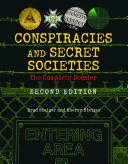
Conspiracies and Secret Societies
 80
80

Conspiracies and Secret Societies
Brad and Sherry Steiger’s *Conspiracies and Secret Societies* offers a sprawling compendium that feels both exhaustive and intentionally disquieting. The sheer breadth of cases covered, from ancient cabals to modern alleged machinations, is impressive, presenting a compelling argument for the persistent presence of hidden influences. A particular strength lies in the authors' methodical collation of seemingly disparate events, urging the reader to consider patterns that might otherwise be overlooked. However, the work occasionally falters under the weight of its own ambition. While meticulously detailing alleged cover-ups and suppressed evidence, the line between documented fact and speculative interpretation can sometimes blur, leaving the reader to sift through assertions. One memorable passage details the alleged connections between various political assassinations and clandestine organizations, leaving one to ponder the presented evidence. Ultimately, the book functions as a potent, if sometimes overwhelming, survey of the world's most persistent hidden narratives.
📝 Description
80
Published in 2012, Conspiracies and Secret Societies catalogs over 250 alleged conspiracies and influential groups.
Brad and Sherry Steiger's 2012 book meticulously examines more than 250 instances of suspected conspiracies, secret cabals, and influential groups throughout history and into contemporary times. The authors detail alleged cover-ups, suppressed evidence, and unexplained events, connecting them to a potentially larger, overarching intrigue. They touch upon concepts like the New World Order and question whether the sheer volume of seemingly related incidents can be dismissed as mere coincidence.
This work is for dedicated researchers of hidden histories and skeptical inquirers into power structures. It appeals to those fascinated by alleged global influence, individuals seeking to understand the historical roots of modern conspiracy theories, and readers interested in the intersection of documented events and speculative interpretations of unseen forces. It serves as a reference for anyone investigating persistent narratives of shadow governments and secret societies that shape global events.
The Steigers' work emerges from a tradition of exploring societal undercurrents and esoteric phenomena. Published in 2012, it tapped into a public discourse fueled by internet dissemination of conspiracy theories. The book draws upon decades of prior research into UFOs, paranormal events, and alleged secret government activities. It builds upon the work of earlier investigators of the occult and fringe phenomena, engaging with public concern over transparency and potential hidden manipulation in political and economic spheres.
💡 Why Read This Book?
• Gain a structured overview of over 250 historical and contemporary conspiracies, moving beyond anecdotal claims to examine documented connections and recurring patterns, as explored in the book's examination of groups like the Illuminati. • Understand the historical evolution of secret society narratives, tracing their influence through documented events and alleged agendas that have shaped political discourse since at least the late 18th century. • Develop critical thinking skills by analyzing presented 'suppressed evidence' and 'missing witnesses,' allowing for a more nuanced approach to evaluating claims of hidden influence and cover-ups.
⭐ Reader Reviews
Honest opinions from readers who have explored this book.
❓ Frequently Asked Questions
What historical periods does 'Conspiracies and Secret Societies' cover?
The book spans a vast historical range, examining conspiracies from ancient times through to contemporary events. It frequently references historical episodes from the 18th and 19th centuries, such as the rise of groups like the Freemasons and the alleged activities of the Illuminati, up to modern-day alleged cover-ups.
Are specific secret societies like the Illuminati and Freemasons discussed in detail?
Yes, the work dedicates significant attention to prominent secret societies. It analyzes alleged historical roles and ongoing influences attributed to groups such as the Illuminati and the Freemasons, exploring the documented connections and recurring narratives surrounding them.
Does the book present evidence for its claims?
The authors present what they identify as suppressed evidence, missing witnesses, and documented connections to support their examinations of conspiracies. The book aims to compile allegations and historical accounts that suggest hidden agendas and cover-ups.
What is the 'New World Order' concept as presented in the book?
The 'New World Order' is presented as a potential overarching agenda or future state alluded to by the patterns of alleged secret society activities. The book explores how these groups are thought to be working towards a unified global governance or control.
Who are Brad Steiger and Sherry Steiger?
Brad Steiger was a prolific author known for his extensive work on UFOs, paranormal phenomena, and conspiracy theories. Sherry Steiger, his wife, often collaborated with him on his later works, bringing her own research and perspective to their investigations.
What kind of 'hidden agendas' are explored in the book?
The book examines a wide array of alleged hidden agendas, including political manipulation, economic control, suppression of information, and the orchestration of global events by clandestine groups. These agendas are often linked to the aforementioned secret societies.
🔮 Key Themes & Symbolism
The Invisible Hand of Power
This theme posits that significant global events are not solely the product of visible political and economic forces, but are instead orchestrated by a hidden network of influential groups. The Steigers meticulously document alleged connections between secret cabals and major historical occurrences, suggesting a deliberate, unseen hand guiding the course of human affairs. This exploration examines the concept of clandestine control, where powerful entities operate from the shadows to manipulate societal trajectories and maintain dominance.
Suppressed Evidence and Cover-Ups
A central pillar of the book is the examination of alleged suppression of information and deliberate cover-ups surrounding critical events. This includes accounts of missing witnesses, fabricated evidence, and assassinations designed to silence dissent or conceal inconvenient truths. The authors present numerous instances where official narratives are questioned, suggesting that vital evidence has been intentionally hidden from public view to protect the interests of powerful, secretive organizations.
Recurring Motifs of Secret Societies
The work meticulously analyzes the persistent presence and alleged influence of specific secret societies throughout history, such as the Illuminati and the Freemasons. It explores the symbolic language, rituals, and alleged objectives attributed to these groups, arguing that their continued operation, often shrouded in mystery, plays a central role in shaping global politics and societal development. The book questions whether these societies are merely historical footnotes or active participants in contemporary power structures.
The New World Order Hypothesis
The concept of a 'New World Order' serves as a recurring allusion throughout the book, representing a potential end goal or overarching strategy attributed to various conspiratorial networks. The Steigers examine how the alleged actions of secret societies and the patterns of global events might be interpreted as steps toward establishing a unified, potentially authoritarian, global governance. This theme prompts readers to consider the possibility of a long-term, coordinated plan for world control.
💬 Memorable Quotes
Direct passages from the work, attributed to the author.
“The invisible world of influence and power revealed.”
— This concise statement expresses the book's central thesis: that unseen forces and clandestine groups exert significant control over global affairs, operating beyond the public's awareness and conventional understanding of power dynamics.
“Hidden agendas uncovered.”
— This phrase highlights the investigative nature of the work, suggesting that the authors have unearthed and are revealing the secret objectives and manipulative strategies employed by secret societies and conspiratorial networks.
“Startling allegations. Suppressed evidence. Missing witnesses.”
— These elements represent the core investigative tools and findings presented in the book. They point to the controversial nature of the claims and the alleged efforts to conceal truth through various clandestine means.
“Documented connections to an even deeper intrigue.”
— This suggests that the conspiracies and secret societies examined are not isolated incidents but are interconnected, pointing towards a larger, more complex, and perhaps more ancient web of hidden influence that underlies many historical and current events.
“Coincidences? Too many to be mere coincidence?”
— This rhetorical question challenges the reader to consider the possibility that recurring patterns and seemingly unrelated events are actually part of a deliberate, orchestrated plan, rather than random occurrences.
🌙 Esoteric Significance
Tradition
The work draws broadly from the Western esoteric tradition, particularly its interest in hidden knowledge, secret initiations, and alleged manipulations by unseen forces. While not strictly adhering to Hermetic, Gnostic, or Kabbalistic frameworks, it engages with the popular understanding of these traditions as often being intertwined with secret societies. It departs from purely academic or philosophical explorations by focusing on alleged concrete actions and historical conspiracies, presenting a more narrative and investigative approach to esoteric themes.
Symbolism
The book frequently alludes to symbols associated with groups like the Freemasons (e.g., the Square and Compasses, the All-Seeing Eye) and the Illuminati (e.g., the pyramid, the owl). These symbols are presented not just as historical markers but as active signifiers of hidden power, coded messages within architecture, currency, and art, allegedly indicating the pervasive presence and influence of these clandestine organizations in plain sight.
Modern Relevance
Contemporary thinkers exploring themes of deep state operations, global elite networks, and the psychological impact of conspiracy narratives often reference works like this. It remains relevant for individuals interested in the evolution of conspiracy theory, the persistent cultural fascination with secret societies, and the ongoing debate about transparency versus hidden influence in modern governance and media.
👥 Who Should Read This Book
• Independent researchers investigating historical anomalies and alleged hidden power structures, seeking a comprehensive catalog of cases and alleged connections. • Skeptical inquirers interested in the psychological and sociological appeal of conspiracy theories, wanting to understand the breadth of narratives surrounding secret societies. • Students of esoteric history and alternative narratives, looking for a compilation of alleged secret agendas and their purported historical impact.
📜 Historical Context
Published in 2012, *Conspiracies and Secret Societies* emerged during an era of heightened public interest in alternative narratives and distrust of established institutions, fueled significantly by the internet. The Steigers' work builds upon a rich tradition of esoteric literature and conspiracy theory research that gained momentum in the 20th century, influenced by figures like Manly P. Hall and earlier investigations into groups like the Bavarian Illuminati. The book arrived in a landscape where contemporary authors like David Icke were popularizing theories of reptilian elites and global control, placing the Steigers' cataloging approach within a broader discourse. While not directly engaging with academic historians or specific schools of thought like the Frankfurt School's critical theory, the book tapped into a widespread public fascination with hidden power structures, offering a comprehensive, albeit speculative, survey that resonated with readers seeking explanations beyond official accounts.
📔 Journal Prompts
The persistent motif of the Illuminati and their alleged historical influence.
Examining the concept of 'suppressed evidence' as presented across different conspiracy narratives.
The recurring theme of a 'New World Order' and its potential manifestations.
Analyzing the alleged roles of secret cabals in documented historical events.
Reflecting on the documented connections between seemingly disparate conspiracies.
🗂️ Glossary
Illuminati
A historical Bavarian secret society founded in 1776, notorious for its Enlightenment ideals and alleged subversive activities. The book explores modern conspiracy theories that attribute a continuing, powerful, and clandestine influence to this group.
Freemasons
A fraternal organization with origins dating back to the late 16th century. The book examines allegations of their secret rituals, hierarchical structure, and alleged influence in political and social spheres throughout history.
New World Order
A term used in conspiracy theories to describe a secret, powerful elite seeking to establish a totalitarian global government. The book explores how alleged activities of secret societies are seen as steps toward this goal.
Cabals
Small groups of people united in a secret plot or conspiracy. The book uses this term to describe clandestine organizations believed to be manipulating events from behind the scenes.
Cover-ups
Organized efforts to conceal wrongdoing or sensitive information. The book details numerous alleged instances where governments or powerful groups have hidden facts about assassinations, incidents, or conspiracies.
Suppressed Evidence
Information or proof that has been deliberately hidden or withheld from public view or legal proceedings. The book claims such evidence exists regarding many alleged conspiracies.
Zion
In the context of some conspiracy theories discussed, 'Zion' can refer to a perceived hidden agenda or powerful influence, often linked to political or financial control, extending beyond its religious or geographical connotations.