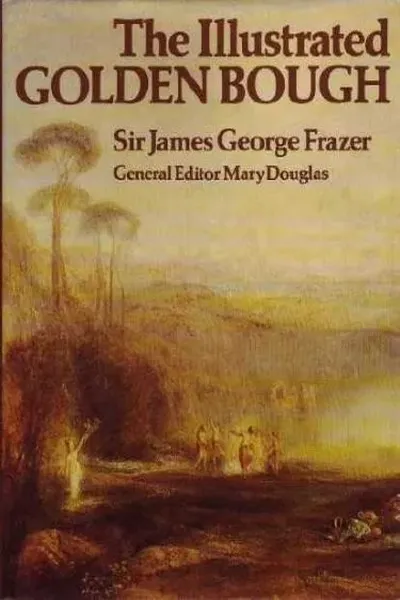
Cleopatra Ascending

 82
82

Cleopatra Ascending
Maureen Lipinski's "Cleopatra Ascending" offers a compelling, albeit niche, re-framing of the last Ptolemaic ruler of Egypt. Instead of dwelling on the well-trodden paths of Roman entanglements, Lipinski pivots towards the esoteric currents that may have shaped Cleopatra's public and private life. The strength lies in its audacious synthesis of historical accounts with speculative interpretations of ancient Egyptian and Hellenistic mystery traditions. For instance, the examination of Cleopatra's potential role as a hierophant, drawing parallels between her iconography and the cult of Isis, is particularly illuminating. However, the book's primary limitation is its reliance on conjecture; while fascinating, many of the esoteric connections remain unprovable, blurring the lines between scholarly analysis and imaginative reconstruction. A specific passage discussing the astrological chart of Cleopatra's alleged coronation day, while intriguing, highlights this speculative nature. Ultimately, "Cleopatra Ascending" provides a unique, if unverified, lens through which to view a legendary figure, appealing more to esoteric enthusiasts than to mainstream historians.
📝 Description
82
Maureen Lipinski's 2013 book, Cleopatra Ascending, examines Cleopatra VII not just as a ruler but as an esoteric figure.
Cleopatra Ascending, published in 2013, approaches the life of Cleopatra VII Philopator beyond typical political or romantic interpretations. Maureen Lipinski investigates her existence through the frameworks of ancient Egyptian religion, Hellenistic mystery traditions, and astrological symbolism. The book seeks to uncover spiritual and occult dimensions associated with her reign and public image, moving past conventional historical accounts.
This work is for readers interested in the confluence of history, mythology, and esoteric studies. It appeals to those who wish to understand significant female figures from antiquity through a perspective that considers their potential ties to ancient spiritual practices and esoteric knowledge. Students of ancient Egyptian religion, Hellenistic occultism, and the spiritual impact of prominent historical women will find value here.
Lipinski's work positions Cleopatra within a tradition of priestess-queens who purportedly held spiritual authority. It draws parallels to concepts found in Alexandrian Gnosticism and earlier Egyptian cults, contrasting with purely political biographies. This approach situates Cleopatra within the intellectual and spiritual currents of the ancient world, particularly in learning centers like Alexandria.
💡 Why Read This Book?
• Gain a unique perspective on Cleopatra VII beyond political intrigue, by understanding how her reign and persona may have been interpreted through ancient Egyptian religious symbolism, particularly her association with the goddess Isis. • Explore the Hellenistic context of mystery traditions and their potential influence on rulers, as detailed in the book's analysis of Alexandrian spiritual currents around the 1st century BCE. • Discover how astrological interpretations of historical events were employed in antiquity, with specific focus on the book's examination of celestial alignments in relation to Cleopatra's life and rule.
⭐ Reader Reviews
Honest opinions from readers who have explored this book.
❓ Frequently Asked Questions
What is the primary esoteric tradition explored in relation to Cleopatra in this book?
The book primarily focuses on ancient Egyptian religion, particularly the cult of Isis, and Hellenistic mystery traditions. It explores how Cleopatra might have embodied or utilized these esoteric practices and symbolism during her reign in the 1st century BCE.
Does Cleopatra Ascending present verifiable historical facts about Cleopatra's esoteric practices?
While the book draws on historical accounts, its core thesis involves interpreting Cleopatra's life through an esoteric lens. Many of the connections to mystery cults and spiritual roles are speculative interpretations rather than definitively proven historical facts.
When was Cleopatra Ascending first published?
Cleopatra Ascending was first published in 2013. This places its publication within a modern resurgence of interest in esoteric interpretations of history and mythology.
What kind of symbolism does the book associate with Cleopatra?
The book associates Cleopatra with symbols of divine femininity, royalty, and spiritual power, particularly those linked to the Egyptian goddess Isis. It also examines astrological symbols and their perceived influence on her destiny.
Is this book suitable for someone new to esoteric studies?
It can be, but familiarity with ancient Egyptian religion or Hellenistic philosophy would enhance understanding. The book assumes some engagement with esoteric concepts, though it aims to make its arguments accessible.
What historical period does Cleopatra Ascending cover?
The book primarily covers the period of Cleopatra VII's reign, from her ascension in 51 BCE until her death in 30 BCE, framing it within the broader context of Ptolemaic Egypt and the Roman Republic.
🔮 Key Themes & Symbolism
Divine Feminine Embodiment
The work posits Cleopatra VII not merely as a queen, but as a living embodiment of the divine feminine principle, drawing heavily on the cult of Isis. It explores how her actions, iconography, and perceived influence were interpreted through this sacred feminine lens by her contemporaries and subsequent esoteric traditions. The book examines her strategic use of religious symbolism, suggesting a conscious effort to channel the power and mystique associated with the goddess to solidify her rule in Ptolemaic Egypt.
Hellenistic Mystery Traditions
Cleopatra Ascending explores the pervasive influence of Hellenistic mystery cults during the 1st century BCE, particularly in Alexandria. It investigates the possibility of Cleopatra's direct involvement or knowledge of these initiation rites, which promised spiritual enlightenment and transformation. The book suggests these traditions provided a framework for understanding power, destiny, and the cosmos, elements that Lipinski argues were integral to Cleopatra's worldview and political strategy.
Astrological Determinism and Power
A significant theme is the role of astrology in ancient belief systems and its application to Cleopatra's life. The book explores how celestial events and configurations were interpreted as divine omens or indications of fate. Lipinski examines astrological readings associated with Cleopatra's reign and personal life, suggesting that belief in cosmic order and astrological influence was a key factor in how power was perceived and wielded in the ancient world.
Esoteric Legitimacy of Rule
The work investigates how rulers in antiquity, particularly Cleopatra, utilized esoteric knowledge and religious symbolism not just for spiritual fulfillment but as a tool for political legitimacy. By aligning herself with divine figures like Isis and potentially participating in mystery rites, Cleopatra sought to reinforce her authority and connect with her subjects on a deeper, spiritual level. This theme explores the intersection of the sacred and the secular in ancient governance.
💬 Memorable Quotes
Direct passages from the work, attributed to the author.
“Cleopatra's reign was a deliberate performance of divine authority.”
— This interpretation suggests that Cleopatra strategically employed religious imagery and rituals, not merely as cultural norms, but as conscious tools to project an image of divine power and legitimacy to her subjects and rivals.
“Initiation into the mysteries was a path to understanding cosmic order.”
— This interpretation emphasizes the transformative aspect of mystery cults, suggesting they provided initiates with a framework for comprehending the universe and their place within it, a knowledge base Lipinski believes Cleopatra possessed.
“Her allure was woven with threads of the sacred feminine.”
— This interpretation posits that Cleopatra's famous charisma and influence were not solely human attributes but were amplified by her perceived connection to divine feminine principles, particularly the goddess Isis.
“Alexandria was a crucible for spiritual and intellectual fusion.”
— This statement underscores the book's setting, portraying Alexandria as a vibrant center where diverse ancient traditions, including Egyptian religion and Hellenistic philosophies, converged and influenced figures like Cleopatra.
💡 Key Ideas
Editorial paraphrase of the work's core concepts — not direct quotes.
The stars offered a map of destiny she learned to read.
This paraphrased concept highlights the book's focus on astrology, implying that Cleopatra was not just subject to celestial influences but actively understood and possibly manipulated astrological interpretations to guide her actions and political strategies.
🌙 Esoteric Significance
Tradition
The work primarily engages with ancient Egyptian religion and Hellenistic mystery traditions, positioning Cleopatra as a figure who potentially embodied aspects of the divine feminine, particularly through her association with the goddess Isis. It departs from purely historical accounts by exploring the spiritual and occult dimensions attributed to her, framing her within a lineage of priestess-queens who wielded esoteric knowledge.
Symbolism
Key symbols explored include the Ankh, representing life and immortality, and the Uraeus, the cobra symbol of divine authority and protection, often worn by pharaohs and goddesses. The book also explores astrological symbols, interpreting celestial alignments as reflections of cosmic order and divine will, suggesting Cleopatra's life was understood within this symbolic framework.
Modern Relevance
Contemporary esoteric practitioners and scholars of ancient religions continue to draw inspiration from figures like Cleopatra as archetypes of feminine power and spiritual leadership. The book's exploration of the divine feminine, mystery traditions, and astrological influences appeals to modern movements focused on goddess spirituality, Hermeticism, and the integration of ancient wisdom into contemporary life.
👥 Who Should Read This Book
• Students of ancient Egyptian religion and mythology seeking to understand the spiritual significance attributed to pharaonic figures beyond conventional historical accounts. • Enthusiasts of Hellenistic mystery traditions interested in how these ancient spiritual practices might have influenced political leaders in the 1st century BCE. • Readers fascinated by powerful female figures in history who are drawn to explorations that blend biography with esoteric symbolism and astrological interpretations.
📜 Historical Context
Published in 2013, Maureen Lipinski's "Cleopatra Ascending" arrived during a period of renewed interest in esoteric interpretations of historical figures. The work engages with the intellectual currents that sought to uncover hidden spiritual dimensions within ancient civilizations. Lipinski situates Cleopatra VII within a broader context of priestess-queens and initiates, drawing parallels with figures and concepts found in Alexandrian Gnosticism and earlier Egyptian cults, particularly the worship of Isis. This approach contrasts sharply with the purely political or biographical narratives prevalent in mainstream historiography. While not directly engaging with specific contemporary scholars in its text, the book implicitly responds to a scholarly and popular fascination with the occult aspects of antiquity, a field that had seen contributions from figures like Manly P. Hall in earlier decades. Reception of such works often varies, with some appreciating the imaginative synthesis and others cautioning against speculative connections unsupported by direct textual evidence.
📔 Journal Prompts
Reflect on Cleopatra's potential role as a hierophant within the cult of Isis.
Consider the significance of the Uraeus symbol in ancient Egyptian royal iconography.
Analyze the concept of divine feminine embodiment as presented in the book.
Explore the influence of Hellenistic mystery traditions on 1st century BCE society.
Meditate on the perceived connection between celestial events and personal destiny.
🗂️ Glossary
Ptolemaic Dynasty
The Greek royal dynasty that ruled Egypt for nearly 300 years, from the death of Alexander the Great in 323 BCE until the Roman conquest in 30 BCE. Cleopatra VII was the last ruler of this dynasty.
Hellenistic Period
The historical era spanning from the death of Alexander the Great (323 BCE) to the emergence of the Roman Empire (around 30 BCE). It was characterized by the spread of Greek culture and influence across the Mediterranean and Near East.
Mystery Cults
Ancient religious groups, often centered around the worship of a specific deity, that offered initiates secret knowledge, rituals, and promises of salvation or spiritual enlightenment.
Cult of Isis
A widespread Greco-Roman mystery religion centered on the Egyptian goddess Isis, who was revered as a mother goddess, a symbol of fertility, magic, and resurrection.
Hierophant
In ancient Greek mystery religions, the hierophant was a priest who interpreted sacred mysteries and presided over initiations. The term implies a revealer of sacred knowledge.
Uraeus
A stylized upright cobra, symbolizing sovereignty, royalty, deity, and divine authority in ancient Egypt. It was often depicted on the headdresses of pharaohs and deities.
Astrological Determinism
The belief that the positions and movements of celestial bodies at the time of one's birth or at significant moments dictate one's fate and character.
🔮 Readers Also Liked
Browse all →








More by Maureen Lipinski
All books →
More Free Magic & Ritual Books
View all →