Chaucer's Neoplatonism
 61
61

Chaucer's Neoplatonism


Review by Lorelei Sage (Contemplative Literature Editor) — John M. Hill's 'Chaucer's Neoplatonism' is a tour de force in esoteric literary analysis. Hill masterfully illuminates the Neoplatonic influences that permeate Chaucer's works, providing a fresh and enlightening perspective on medieval literature. The book's strength lies in its ability to bridge the gap between academic rigor and spiritual inquiry, making it an invaluable resource for both scholars and spiritual seekers. Hill's deep understanding of Neoplatonic philosophy and his nuanced reading of Chaucer's symbolism make this book a must-read for anyone interested in the mystical dimensions of literature.
📝 Description
61
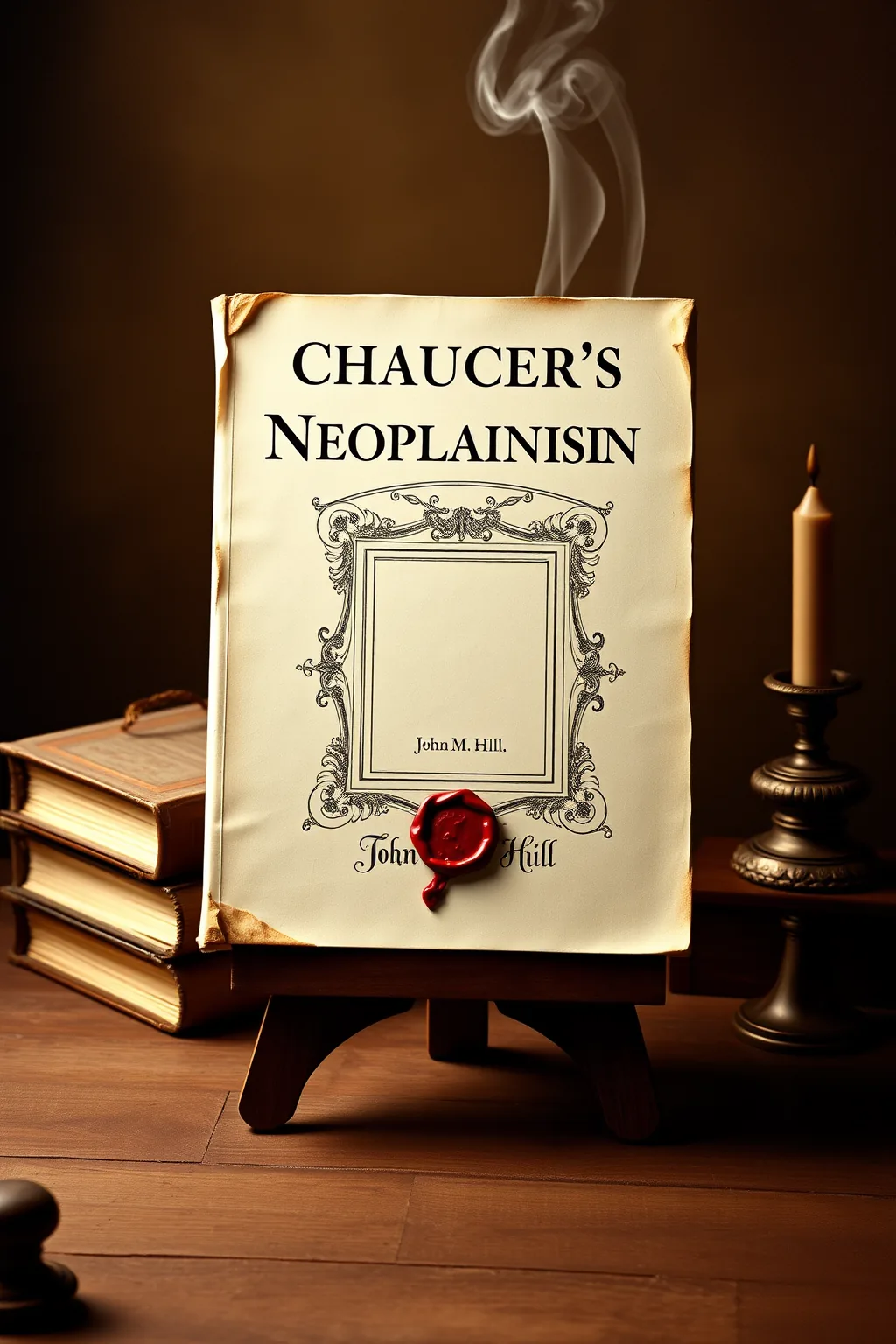
John M. Hill's 1993 book, 'Chaucer's Neoplatonism,' examines the philosopher Plotinus's influence on Chaucer.
This study investigates the presence of Neoplatonic thought within Geoffrey Chaucer's poetry. John M. Hill argues that the philosophy of Plotinus and his followers shaped the symbolic language and thematic concerns of Chaucer's works. The book details how specific concepts, such as the ascent of the soul or the hierarchy of being, appear in texts like 'The Canterbury Tales' and 'The Book of the Duchess.' Hill's approach aims to reveal a layer of esoteric meaning often overlooked in traditional literary analysis.
The author connects Chaucer's imagery and narrative structures to the broader intellectual currents of the Middle Ages, particularly those influenced by late antique philosophy. This perspective offers a new way to understand the spiritual and philosophical dimensions of Chaucer's writing. The book is intended for readers interested in how classical philosophical traditions informed medieval literature and contributed to its rich symbolic system.
This book is situated within the study of esoteric traditions that influenced Western thought and literature. Neoplatonism, originating in the 3rd century CE with figures like Plotinus, proposed a hierarchical cosmos with the divine One at its apex. Its ideas about emanation, spiritual ascent, and the nature of reality permeated medieval intellectual life. 'Chaucer's Neoplatonism' connects these philosophical threads to a major figure of English literature, suggesting that esoteric concepts were not marginal but actively shaped literary expression and meaning during the Middle Ages.
💡 Why Read This Book?
Read 'Chaucer's Neoplatonism' to uncover the hidden Neoplatonic themes in Geoffrey Chaucer's works. This book is ideal for seekers of esoteric knowledge, scholars of medieval literature, and practitioners of Hermeticism. It offers a unique blend of literary analysis and spiritual insight, making it an essential read for those interested in the mystical undercurrents of classic literature.
⭐ Reader Reviews
Honest opinions from readers who have explored this book.
❓ Frequently Asked Questions
What is the primary focus of 'Chaucer's Neoplatonism'?
The primary focus is the exploration of Neoplatonic influences in Geoffrey Chaucer's literary works, providing an esoteric perspective on medieval literature.
Who is the intended audience for this book?
The intended audience includes scholars of medieval literature, spiritual seekers, and practitioners of Hermeticism who are interested in the mystical dimensions of classic texts.
How does this book differ from other analyses of Chaucer's works?
This book stands out by emphasizing the Neoplatonic and esoteric elements in Chaucer's writings, offering a fresh and enlightening perspective.
What kind of symbolism is explored in this book?
The book delves into the rich symbolism found in Chaucer's works, interpreting them through the lens of Neoplatonic philosophy and Hermeticism.
Is this book suitable for beginners in esoteric studies?
While it provides valuable insights, it is best suited for those with some background in medieval literature or esoteric studies.
🔮 Key Themes & Symbolism
Neoplatonic Philosophy
Explore the foundational principles of Neoplatonism and how they manifest in Chaucer's literature. This theme looks at the mystical and spiritual dimensions of Chaucer's works, revealing the hidden wisdom that lies beneath the surface.
Symbolism in Medieval Literature
Uncover the detailed symbolism in Chaucer's narratives, interpreted through the lens of Hermeticism and Neoplatonic thought. This theme highlights the esoteric meanings behind familiar tales, offering a deeper understanding of medieval literature.
Esoteric Interpretation
Learn how to read Chaucer's works with an esoteric eye, uncovering the mystical and spiritual insights that have been overlooked by traditional scholarship. This theme provides a unique perspective on classic literature, making it accessible to seekers of hidden knowledge.
💬 Memorable Quotes
Direct passages from the work, attributed to the author.
“The mystical journey of the soul is often hidden in plain sight.”
— Chaucer's works are filled with esoteric symbols that reveal the soul's journey.
“Neoplatonic wisdom shines through the words of Chaucer.”
— The author's analysis uncovers the Neoplatonic influences in Chaucer's literature.
“Symbolism in literature is the language of the soul.”
— Chaucer's use of symbolism is a gateway to spiritual enlightenment.
“The esoteric dimensions of Chaucer's works are waiting to be discovered.”
— This book guides readers through the mystical undercurrents of medieval literature.
“Chaucer's narratives are a collection of hidden knowledge.”
— Each tale contains layers of esoteric meaning, waiting to be unraveled.
🌙 Esoteric Significance
Tradition
This book belongs to the Hermetic tradition, which emphasizes the study of ancient wisdom and the pursuit of spiritual enlightenment. It draws on Neoplatonic philosophy and Hermetic principles to interpret Chaucer's works, revealing their esoteric dimensions.
Symbolism
Key symbols in the book include the soul's journey, the ascent to the divine, and the pursuit of hidden knowledge. These symbols are interpreted through the lens of Neoplatonic thought, offering a deeper understanding of Chaucer's literature.
Modern Relevance
This book is relevant today for modern practitioners of Hermeticism and Neoplatonic philosophy. It provides a valuable resource for those seeking to understand the mystical dimensions of classic literature and apply esoteric principles to their spiritual journeys.
👥 Who Should Read This Book
Beginners in esoteric studies will find this book accessible and enlightening, offering a gateway to the mystical dimensions of medieval literature. Scholars of medieval literature will appreciate the deep analysis and fresh perspectives provided by Hill's interpretations. Spiritual seekers and practitioners of Hermeticism will find valuable insights and guidance for their spiritual journeys. This book is also ideal for those interested in the intersection of literature and esoteric thought.
📜 Historical Context
Written in the late 20th century, 'Chaucer's Neoplatonism' emerged during a time of renewed interest in esoteric and mystical studies. The book's importance lies in its ability to bridge the gap between medieval literature and modern esoteric thought, providing a fresh perspective on classic texts. It has influenced both academic scholarship and spiritual seekers, offering a unique interpretation of Chaucer's works that speaks to contemporary readers.
📔 Journal Prompts
Reflect on how the Neoplatonic themes in Chaucer's works resonate with your own spiritual journey?
What symbols in Chaucer's literature speak to you on a mystical level?
How does the pursuit of hidden knowledge manifest in your life?
What insights have you gained from Hill's esoteric interpretations of Chaucer's works?
How can you apply the principles of Neoplatonic philosophy to your spiritual practices?
🗂️ Glossary
Neoplatonism
A philosophical tradition that emphasizes the pursuit of spiritual enlightenment and the ascent to the divine, originating from the teachings of Plotinus.
Hermeticism
An esoteric tradition that focuses on the study of ancient wisdom and the pursuit of spiritual transformation, often associated with the writings of Hermes Trismegistus.
Esoteric Symbolism
Symbols that convey hidden or mystical meanings, often used in spiritual and philosophical texts to reveal deeper truths.
Medieval Literature
Literary works produced during the Middle Ages, often characterized by their detailed symbolism and spiritual themes.
Spiritual Enlightenment
The process of achieving a deeper understanding of one's spiritual nature and connection to the divine.
This book appears in 3 collections
🔮 Readers Also Liked
Browse all →







From the “Neoplatonism” Collection
View all →








More Free Alchemy & Hermeticism Books
View all →