Chakras for Beginners
 75
75

Chakras for Beginners
Rockefeller's "Chakras for Beginners" offers a straightforward introduction to a complex metaphysical subject. Its strength lies in its accessible language, translating intricate concepts of the subtle body into relatable terms for newcomers. The book’s direct approach to linking chakra imbalances with common ailments like digestive issues is a practical hook. However, the work occasionally simplifies the vast philosophical underpinnings of chakra theory, which might leave seasoned practitioners wanting more depth. A particular passage discussing the sacral chakra's connection to creative flow provides a clear, actionable example of the book's directness, though it could benefit from a broader exploration of related yogic philosophy. Ultimately, it serves its purpose as an entry-level guide but doesn't push the boundaries of established chakra literature.
📝 Description
75
Chakras for Beginners, published in 2015, connects subtle body imbalances to physical and emotional issues.
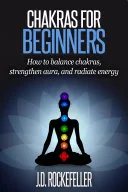
J.D. Rockefeller's 2015 book, Chakras for Beginners, explains the concept of the subtle body and its energy centers, or chakras. The author suggests that disruptions in this non-physical energy system can appear as physical complaints like diabetes or heart problems, and as emotional states such as anxiety and depression. The book aims to give people new to these ideas a basic grasp of energetic principles.
This work is intended for those unfamiliar with esoteric studies and energy healing. Individuals experiencing unexplained physical discomfort, ongoing emotional difficulties, or a general feeling of unease might find it a useful starting point. It is also suitable for people curious about health methods that combine mind, body, and spirit. The book focuses on the seven main chakras, detailing their connection to specific body areas, colors, and energy roles. It describes how blockages or overactivity in these centers can cause various physical and emotional symptoms. Rockefeller also introduces simple methods for recognizing and managing these imbalances, emphasizing practices accessible for personal exploration.
The concept of chakras originates from ancient Indian traditions, particularly Tantra and Yoga, with early references found in texts like the Upanishads. The widespread adoption of chakras in the West is largely due to figures such as Helena Blavatsky and the Theosophical Society in the late 19th century. Rockefeller's 2015 book builds upon this historical lineage, providing a modern interpretation for newcomers.
💡 Why Read This Book?
• Learn about the energetic centers of the subtle body, specifically the seven primary chakras, and how their balance (or imbalance) is theorized to connect to physical and emotional well-being, as discussed in the book's foundational sections. • Discover practical, beginner-friendly techniques for self-assessment and energy awareness, empowering you to identify potential energetic disruptions discussed in the book's guidance chapters. • Gain a foundational understanding of esoteric concepts dating back to ancient Indian traditions, providing a historical and philosophical context for chakra work as presented in the 2015 publication.
⭐ Reader Reviews
Honest opinions from readers who have explored this book.
❓ Frequently Asked Questions
What are the main health issues addressed by chakra imbalances in this book?
The book suggests that imbalances in the subtle body's chakras can manifest as chronic conditions like diabetes and cardiovascular problems, as well as emotional states such as anxiety and anger, and digestive or respiratory issues.
When was Chakras for Beginners first published?
Chakras for Beginners by J.D. Rockefeller was first published on June 24, 2015.
Is this book suitable for someone with no prior knowledge of chakras?
Yes, the book is specifically designed for beginners, aiming to provide a foundational understanding of the subtle body and its energetic centers without assuming prior esoteric knowledge.
What is the 'subtle body' as explained in the book?
The subtle body is described as a non-physical, energetic counterpart to the physical body, central to many spiritual traditions, within which the chakras are located.
Does the book offer practical exercises?
The book introduces rudimentary techniques for identifying and addressing chakra imbalances, focusing on accessible practices for self-exploration and energetic awareness.
What kind of emotions are linked to chakra imbalances?
According to the book, emotions such as anxiety, depression, and anger are often linked to imbalances within the chakra system.
🔮 Key Themes & Symbolism
Subtle Body Energetics
The work introduces the concept of the subtle body, a non-physical energetic system that underlies our physical form. It explains that this energetic matrix contains various centers, the chakras, which regulate life force energy. Rockefeller posits that disruptions or blockages within this subtle energetic flow are the root cause of many physical ailments and emotional distress, offering a framework for understanding health beyond purely material causes. This perspective aligns with ancient traditions that view the body as more than just flesh and bone.
Chakra Imbalance Manifestations
A core theme is the direct correlation drawn between imbalances in the seven primary chakras and specific physical and emotional symptoms. For instance, issues with digestion or respiratory problems are linked to certain energy centers, while emotional states like anxiety or anger are associated with others. The book aims to clarify these connections, suggesting that by understanding which chakra is affected, one can begin to address the root energetic cause of their discomfort or distress.
Beginner's Guide to Energy Work
Designed for novices, this book prioritizes clarity and accessibility. It breaks down complex metaphysical ideas into digestible components, focusing on the foundational aspects of chakra theory. The emphasis is on providing readers with an entry point into self-awareness and energetic exploration, offering simple techniques and explanations that do not require prior esoteric knowledge. The goal is to empower individuals to start their journey of understanding their own energetic landscape.
Holistic Health Perspective
Chakras for Beginners promotes a holistic view of well-being, integrating physical, emotional, and energetic dimensions. It moves away from a purely symptomatic approach to health, suggesting that true wellness involves attending to the energetic body. By exploring the chakras, readers are encouraged to consider how their mental and spiritual state influences their physical health, fostering a more comprehensive approach to self-care and healing.
💬 Memorable Quotes
Direct passages from the work, attributed to the author.
“The subtle body is the sacred or energetic blueprint of our physical form.”
— This statement captures the book's premise: that our non-physical energetic structure is fundamental and directly influences our physical experience and health.
“Chronic diseases like diabetes may stem from imbalances in your subtle, non-physical body.”
— This highlights the book's central argument that seemingly physical ailments can have energetic origins within the chakra system.
“Emotions such as anxiety, depression, and anger signal energetic disruption.”
— This interpretation connects common psychological states to the energetic framework, suggesting they are indicators of chakra imbalance.
“Addressing energetic imbalances can alleviate physical and emotional suffering.”
— This conveys the book's therapeutic promise: that by working with the chakra system, one can achieve relief from various forms of distress.
💡 Key Ideas
Editorial paraphrase of the work's core concepts — not direct quotes.
The seven primary chakras govern various aspects of our physical and emotional lives.
This paraphrase points to the book's focus on the main energy centers and their comprehensive influence on human experience.
🌙 Esoteric Significance
Tradition
The work draws primarily from the Tantric and Yogic traditions of India, which conceptualized the chakras as centers of spiritual power and consciousness. Rockefeller's approach adapts these ancient ideas for a contemporary Western audience, focusing on the energetic and therapeutic applications rather than the deeper philosophical or meditative aspects found in classical texts. It represents a modern, accessible interpretation within the broader Neo-Vedanta and New Age movements that have integrated Eastern concepts into Western spiritual discourse.
Symbolism
The book likely discusses the symbolism of colors associated with each of the seven primary chakras, such as red for the root chakra (Muladhara) signifying grounding and survival, and violet for the crown chakra (Sahasrara) representing spiritual connection. It may also touch upon the lotus flower motif, a common symbol in Indic traditions representing spiritual unfolding and purity, often depicted with a varying number of petals corresponding to different chakras.
Modern Relevance
This book speaks to contemporary spiritual seekers and wellness enthusiasts who are exploring alternative health modalities. Its concepts are echoed in modern energy healing practices like Reiki, crystal healing, and various forms of somatic therapy. Thinkers and practitioners in the mindfulness and holistic health movements often utilize chakra principles, making Rockefeller's foundational work relevant for those seeking to understand the energetic underpinnings of modern self-care and spiritual development.
👥 Who Should Read This Book
• Individuals new to spiritual or energetic healing concepts seeking a clear, non-intimidating introduction to the chakra system and its purported connection to physical and emotional well-being. • Readers experiencing unexplained physical discomfort or persistent emotional challenges who are curious about holistic approaches that link mind, body, and energy. • Students of comparative religion or esoteric traditions looking for a basic overview of the chakra concept as it has been adapted and presented in contemporary popular literature.
📜 Historical Context
Published in 2015, J.D. Rockefeller's "Chakras for Beginners" entered a landscape where interest in Eastern spiritual practices had been growing in the West for decades. The modern understanding of chakras in Western esotericism was largely shaped by figures like Helena Blavatsky and later popularized by teachers such as Ananda Coomaraswamy and Swami Vivekananda in the late 19th and early 20th centuries. Rockefeller’s work engages with this lineage, offering a simplified entry point compared to more complex texts like those influenced by the Theosophical Society's early expositions. While not directly engaging with contemporary critics or scholars of comparative religion, the book reflects a broader cultural trend of seeking alternative wellness and spiritual frameworks, a movement that had seen significant engagement from New Age thought since the 1970s.
📔 Journal Prompts
Reflect on the connection between physical discomfort and potential chakra imbalances as presented in the book.
Consider the emotions you experience regularly and how they might relate to the descriptions of chakra states.
Explore the concept of the subtle body and its relationship to your physical health.
Identify which of the seven primary chakras you feel might require more attention based on the book's descriptions.
Document initial observations about your own energy levels throughout the day.
🗂️ Glossary
Chakra
An energetic center within the subtle body, originating from ancient Indian traditions, believed to regulate the flow of life force energy (prana) and influence physical and emotional states.
Subtle Body
A non-physical, energetic counterpart to the physical body, conceptualized in many spiritual traditions, through which vital energies flow and interact with the physical form.
Prana
The vital life force or energy that is believed to permeate all living beings and is channeled through the chakras and nadis within the subtle body.
Root Chakra (Muladhara)
The first of the seven primary chakras, typically located at the base of the spine, associated with grounding, security, and survival instincts.
Sacral Chakra (Svadhisthana)
The second chakra, located in the lower abdomen, associated with creativity, sexuality, emotions, and pleasure.
Solar Plexus Chakra (Manipura)
The third chakra, located in the upper abdomen, associated with personal power, self-esteem, and confidence.
Heart Chakra (Anahata)
The fourth chakra, located at the center of the chest, associated with love, compassion, and emotional balance.