An anthropological analysis of Chinese geomancy
 62
62

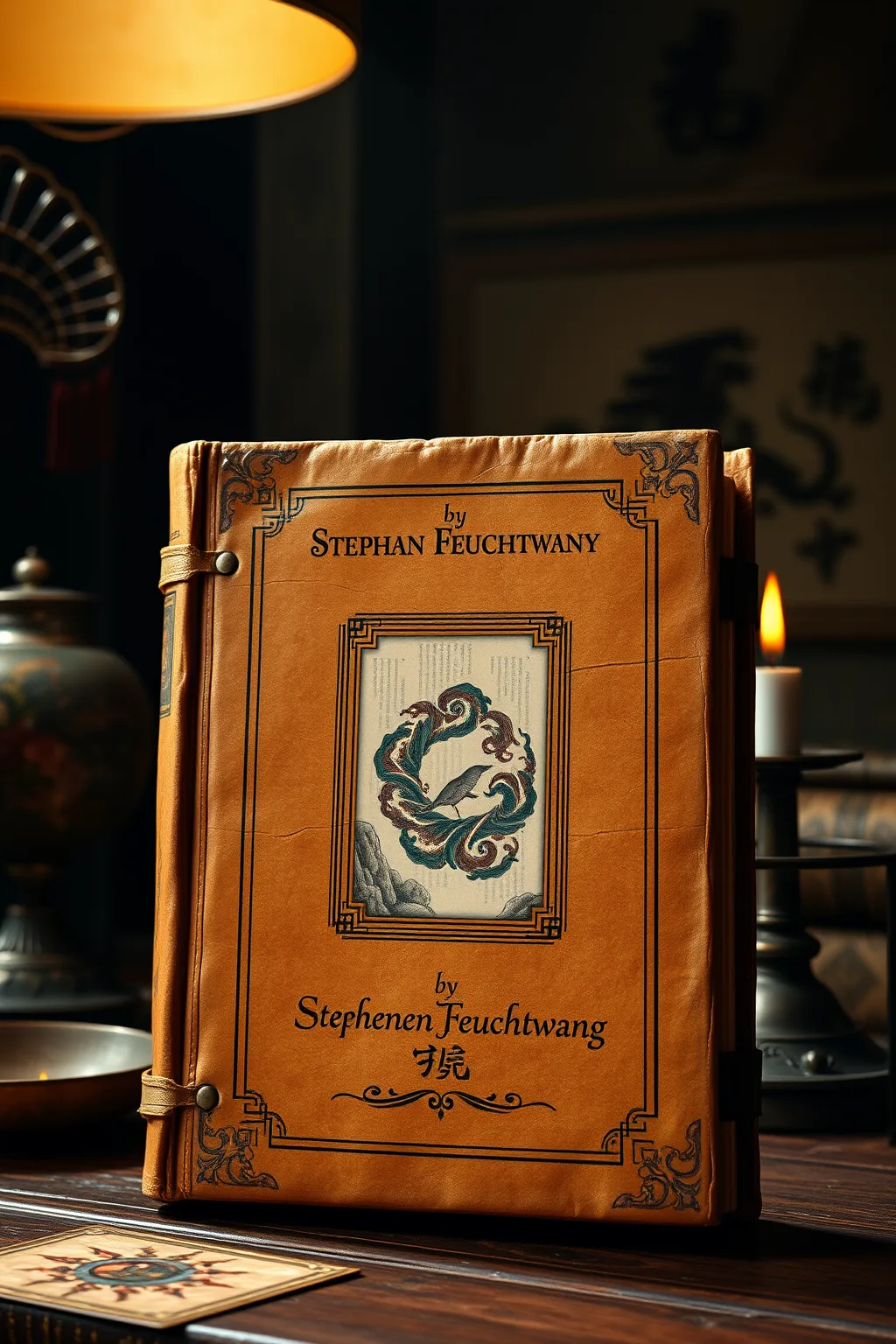
An anthropological analysis of Chinese geomancy



Ophelia Vance, Mystical Literature Reviewer: Stephan Feuchtwang's "An Anthropological Analysis of Chinese Geomancy" is a masterclass in demystifying the esoteric. Feuchtwang's scholarly yet accessible approach illuminates the profound philosophical and spiritual dimensions of Feng Shui, moving beyond superficial interpretations to reveal its deep roots in Chinese cosmology and worldview. He expertly dissects the symbolism and ritual, offering insights that resonate with practitioners and scholars alike. This work is an indispensable resource for anyone seeking authentic knowledge of this ancient art, highlighting its enduring power and relevance.
📝 Description
62
Stephan Feuchtwang's 1992 book analyzes Chinese geomancy as a cosmological system.
Stephan Feuchtwang's anthropological study examines Chinese geomancy, commonly known as Feng Shui. He argues that it is more than just arranging spaces; it is a complex cosmological system. The book looks at how this practice connects human life to cosmic energies and the environment. Feuchtwang dissects the symbolism, including the concepts of Yin and Yang and the flow of Qi, which are central to geomancy. He investigates the philosophical and traditional roots of this practice. The work shows how earthly and celestial domains are seen as interconnected in this worldview. It offers insight into how physical spaces hold esoteric knowledge. The book aims to illuminate the spiritual connections between people, the natural world, and the wider cosmos. It is written for readers interested in the deeper spiritual aspects of geomancy and its historical impact on culture and thought.
This work places Chinese geomancy within a tradition of cosmological thinking that seeks to align human life and structures with perceived universal forces. It engages with concepts present in Daoism and other philosophical traditions that view the cosmos as an interconnected energetic field. Feuchtwang's analysis highlights how geomancy functions as a system for understanding and interacting with these energies, shaping both individual lives and the built environment. It is part of a broader interest in how different cultures develop frameworks for spiritual and practical engagement with the natural world and its perceived cosmic order.
💡 Why Read This Book?
Unlock the secrets of harmonious living by understanding the unseen forces that shape our environments. This book offers a scholarly yet profound exploration of Feng Shui's esoteric origins, revealing the deep symbolism and philosophical insights that have guided cultures for millennia. Ideal for seekers of ancient wisdom, scholars of Eastern traditions, and practitioners of geomancy eager to deepen their understanding.
⭐ Reader Reviews
Honest opinions from readers who have explored this book.
❓ Frequently Asked Questions
What is Chinese geomancy?
Chinese geomancy, commonly known as Feng Shui, is an ancient art and science focused on harmonizing individuals with their surrounding environment by analyzing and manipulating the flow of cosmic energy (Qi).
What is the significance of the Yin Yang symbol in geomancy?
The Yin Yang symbol represents the fundamental dualistic nature of the universe and the interconnectedness of seemingly opposite forces. In geomancy, its balance is crucial for creating auspicious environments.
How does this book differ from typical Feng Shui guides?
This book offers an in-depth anthropological analysis, focusing on the cultural, philosophical, and esoteric underpinnings of geomancy rather than just practical application, providing historical context and deeper meaning.
Is this book suitable for beginners?
Yes, while scholarly, the book is written to be accessible to those new to the subject, offering a foundational understanding of the principles and historical development of Chinese geomancy.
What academic disciplines does this book draw from?
The book draws primarily from anthropology and the study of religion, philosophy, and cultural history to provide a comprehensive understanding of Chinese geomancy.
🔮 Key Themes & Symbolism
The Energetic Landscape: Qi and Cosmic Flow
This theme explores the central concept of Qi, the vital life force that permeates all things. Feuchtwang explores how geomancy perceives and manipulates these invisible currents, influencing health, prosperity, and spiritual well-being. It examines the intricate relationship between natural formations, human dwellings, and the subtle energetic flows, revealing how spatial arrangements can either foster or disrupt this vital energy. Understanding Qi is paramount to grasping the esoteric efficacy of geomantic practices, bridging the gap between the material and the spiritual realms.
Symbolism and the Cosmic Order: Yin Yang and Beyond
Explore the collection of symbolism that underpins Chinese geomancy, with a particular focus on the profound significance of the Yin Yang symbol. Feuchtwang unpacks how these dualistic forces, representing complementary opposites, are understood to govern the cosmos and manifest in the terrestrial realm. This section illuminates the meaning behind other key symbols and principles, such as the Five Elements (Wu Xing) and the Bagua, demonstrating how they are employed to interpret and harmonize the energetic qualities of a space, reflecting a deep understanding of universal order.
The Human-Environment Symbiosis: Ritual and Worldview
This theme investigates the intimate connection between human life and the geomantic landscape. Feuchtwang analyzes the rituals, beliefs, and societal structures that have evolved around geomantic practices, highlighting how they reflect a holistic worldview where humanity is an integral part of the cosmic fabric. It explores the anthropological perspective on how geomancy shapes cultural practices, decision-making, and the very perception of space and place, emphasizing the symbiotic relationship between individuals, their homes, and the broader cosmic order.
💬 Memorable Quotes
Direct passages from the work, attributed to the author.
“Harmony is not found, but cultivated.”
— This suggests that achieving balance and auspiciousness in one's surroundings is an active process, requiring understanding and intentional action.
“The house is a microcosm of the cosmos.”
— This highlights the esoteric belief that the principles governing the universe are reflected in domestic spaces, making them potent sites for energetic work.
“Where the water flows, the Qi follows.”
— A direct reference to the importance of water in Feng Shui as a conduit for vital energy, emphasizing its role in attracting prosperity and good fortune.
“The shape of the land whispers secrets.”
— This poetic line points to the geomantic practice of reading the land's features to discern its energetic qualities and potential influences.
💡 Key Ideas
Editorial paraphrase of the work's core concepts — not direct quotes.
The landscape breathes with unseen forces.
This quote evokes the core geomantic belief that the environment is alive with energetic currents, influencing human life in profound ways.
🌙 Esoteric Significance
Tradition
This book is deeply rooted in the Taoist and Chinese folk religious traditions, which emphasize the interconnectedness of all things and the influence of unseen energetic forces (Qi). It explores geomancy as a practical application of these cosmological principles, aiming to align human life with the natural order of the universe and achieve harmony between the terrestrial and celestial realms.
Symbolism
The core symbolism revolves around the dynamic interplay of Yin and Yang, representing complementary opposites that must be balanced. Feuchtwang also explores the Five Elements (Wood, Fire, Earth, Metal, Water) and the Bagua, sacred diagrams that represent fundamental cosmic forces and their interactions, used to interpret and enhance the energetic qualities of a space for well-being and prosperity.
Modern Relevance
In an era of increasing environmental awareness and a growing search for meaning, the principles of geomancy offer useful insights into creating harmonious and balanced living spaces. Feuchtwang's analysis provides a sophisticated understanding that transcends mere interior design, offering a path to deeper connection with our surroundings and fostering a sense of well-being and spiritual grounding in the modern world.
👥 Who Should Read This Book
This meticulously researched work is useful for a diverse audience. Scholars of East Asian studies, anthropology, and religious studies will find its rigorous analysis and historical depth indispensable. Seekers of esoteric knowledge and spiritual practitioners interested in the profound philosophical underpinnings of Feng Shui will discover a wealth of authentic insight. Beginners to geomancy will gain a foundational understanding that moves beyond superficial techniques, while seasoned practitioners can deepen their comprehension of the art's sacred origins and symbolic language.
📜 Historical Context
Stephan Feuchtwang's "An Anthropological Analysis of Chinese Geomancy" emerges from a rich academic tradition of studying Eastern philosophies and practices. Written during a period of increasing global interest in alternative spiritualities and ancient wisdom, the book provides a scholarly yet engaging exploration of Feng Shui's roots. It situates geomancy within the broader context of Chinese cosmology, philosophy, and societal development, tracing its evolution through dynastic periods. The work acknowledges the enduring influence of Confucianism and Taoism, which provided the philosophical bedrock for understanding the interconnectedness of heaven, earth, and humanity. This analysis offers a vital counterpoint to superficial modern interpretations, grounding the practice in its historical and cultural significance.
📔 Journal Prompts
How does the concept of Qi resonate with your personal understanding of energy in your life and surroundings?
Reflect on a space you inhabit daily. What are its dominant Yin and Yang energies, and how could they be balanced?
Consider the natural landscape around you. How might it be influencing the energetic flow in your community?
What personal philosophies or beliefs align with the geomantic principle of harmonizing human life with the natural world?
How can understanding the symbolic language of geomancy enhance your perception of your own environment?
🗂️ Glossary
Qi (Chi)
The vital life force or energy that flows through all things in the universe. In geomancy, its harmonious flow is essential for well-being and prosperity.
Yin Yang
The fundamental Taoist concept of complementary opposites, representing duality and interdependence in the universe (e.g., dark/light, passive/active).
Feng Shui
The traditional Chinese practice of arranging environments to achieve harmony and balance with the surrounding natural world, often translated as 'wind-water'.
Bagua
An octagonal or square diagram in Taoist cosmology, representing the fundamental principles of reality and used in Feng Shui to map the energy of a space.
Wu Xing (Five Elements)
The classical Chinese philosophical concept of five fundamental elements (Wood, Fire, Earth, Metal, Water) and their cyclical relationships, used in geomancy to analyze energetic interactions.
This book appears in 4 collections
🔮 Readers Also Liked
Browse all →







From the “Geomancy” Collection
View all →









More Free Divination & Tarot Books
View all →