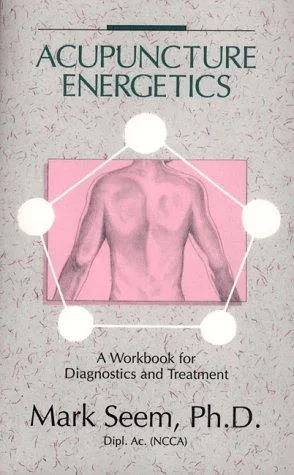
Acupuncture Energetics
 81
81

Acupuncture Energetics
Mark Seem's Acupuncture Energetics, emerging from the early 1990s, attempts a synthesis that feels both ambitious and necessary for practitioners seeking depth. The integration of the Eight Principles with the Five Phases is presented not as an academic exercise but as a practical tool for clinical differentiation. Seem’s strength lies in his methodical approach to diagnostics, demonstrating how these foundational theories can inform treatment strategy. The inclusion of case histories, while perhaps a bit dry for some, serves its purpose in illustrating the application of his integrated model. A limitation, however, might be that the text assumes a solid prior grounding in acupuncture theory; it is less of an introduction and more of a sophisticated refinement. The workbook sections, a clear attempt to make the material interactive, are a notable feature, pushing readers to actively engage with the diagnostic process. The clarity with which Seem outlines the interconnectedness of diagnostic signs and their phase-based implications is commendable. Ultimately, Acupuncture Energetics offers a valuable, albeit specialized, contribution to the field for those ready to move beyond introductory texts.
📝 Description
81
Mark Seem's 1991 book Acupuncture Energetics proposes a diagnostic system synthesizing the Eight Principles with Five Phases theory.
Acupuncture Energetics, published in 1991, lays out a distinct approach to understanding and practicing acupuncture. The book moves past treating symptoms alone, suggesting a diagnostic method that combines the traditional Eight Principles with Five Phases theory. This gives practitioners a structured way to analyze patient presentations and plan treatments. Seem designed the work to connect theoretical knowledge with practical use, including case studies that show the diagnostic and treatment planning process. The goal is to equip readers with a more precise method for energetic medicine.
This text is for licensed acupuncturists and Traditional Chinese Medicine (TCM) practitioners wanting to improve their theoretical grasp and diagnostic accuracy. It appeals to those familiar with basic acupuncture concepts but seeking integrated diagnostic models. Students in advanced TCM programs or those taking continuing education on energetic diagnostics will find the workbook sections useful for developing clinical reasoning. Researchers interested in how acupuncture diagnostics evolved in the late 20th century will also find it relevant.
Published in 1991, Acupuncture Energetics appeared during a time of expansion in Western acupuncture. While TCM had a long history, Seem's book aided in systematically combining its core diagnostic ideas. This period saw practitioners often struggling to merge different diagnostic systems like the Eight Principles and Five Phases, which were sometimes taught or used separately. Seem's method offered a way to harmonize these essential diagnostic tools, addressing a need for clearer clinical approaches within the evolving field of energetic medicine.
💡 Why Read This Book?
• Gain a structured method for integrating the Eight Principles and Five Phases diagnostic systems, as detailed in Seem's diagnostic framework, to refine your clinical assessments. • Develop more precise treatment strategies by learning to derive therapeutic approaches directly from a synthesized understanding of energetic patterns, a core objective outlined in the book's case studies. • Enhance your diagnostic reasoning through the practical exercises presented in the workbook sections, allowing you to apply Seem's integrated approach to hypothetical patient scenarios.
⭐ Reader Reviews
Honest opinions from readers who have explored this book.
❓ Frequently Asked Questions
What is the primary diagnostic innovation in Acupuncture Energetics?
The book's core innovation is the systematic integration of the Eight Principles and the Five Phases diagnostic theories. Mark Seem proposes a method to evaluate a patient's condition using both frameworks simultaneously, aiming for a more comprehensive and precise diagnosis than using either system in isolation.
Who is Mark Seem and what is his background?
Mark Seem is a recognized practitioner and educator in the field of acupuncture. His work, first published in 1991, draws upon extensive clinical experience and a deep understanding of traditional Chinese medicine theory, aiming to refine diagnostic and treatment methodologies for practitioners.
How does Acupuncture Energetics differ from standard TCM textbooks?
Unlike many introductory TCM texts that may present diagnostic systems separately, Seem's book focuses on their synergistic application. It provides a structured approach to synthesizing these elements, offering a more advanced and integrated diagnostic model for experienced practitioners.
What is the role of the workbook in Acupuncture Energetics?
The workbook sections are designed to provide practical application of the diagnostic theories presented. They include case histories and exercises that allow readers to practice the integrated diagnostic process, fostering clinical reasoning and treatment strategy development.
When was Acupuncture Energetics first published?
Acupuncture Energetics was first published in 1991. This places it within a period of significant development and refinement of acupuncture practice in the Western world, contributing to the discourse on diagnostic integration.
Does the book focus on specific acupuncture techniques or needles?
The primary focus of Acupuncture Energetics is on diagnostic methodology and treatment strategy formulation. While it provides the foundation for applying techniques, it does not delve deeply into the mechanics of needling or specific point prescriptions outside the context of the diagnostic system.
🔮 Key Themes & Symbolism
Diagnostic Synthesis
The central theme is the imperative to synthesize disparate diagnostic frameworks within acupuncture. Seem argues that the Eight Principles and the Five Phases, while distinct, offer complementary perspectives crucial for a complete diagnosis. By tying these together, practitioners can move beyond superficial symptom matching to identify the root energetic imbalance. This integration allows for a more nuanced understanding of the interplay between Yin/Yang, Hot/Cold, Exterior/Interior, Deficiency/Excess, and the cycles of Wood, Fire, Earth, Metal, and Water, leading to more effective therapeutic interventions.
Clinical Application
Acupuncture Energetics strongly emphasizes the practical application of theoretical knowledge. Seem's approach is grounded in the belief that diagnostic clarity directly translates into effective treatment. The book's structure, including detailed case histories and a dedicated workbook, facilitates this. Readers are guided through the process of applying the integrated diagnostic model to real-world patient presentations, learning how to systematically derive treatment strategies from the synthesized diagnostic picture. This focus ensures the material is actionable for practitioners in their daily practice.
Energetic Pattern Recognition
The book champions the ability to recognize complex energetic patterns within the body. By analyzing symptoms through the combined lens of the Eight Principles and Five Phases, practitioners can identify subtle disharmonies and their underlying causes. Seem illustrates how specific symptom constellations map onto particular phase imbalances or principle correlations. This theme underscores the sophisticated diagnostic acuity required in advanced acupuncture practice, moving beyond rote memorization to a deeper, intuitive comprehension of the body's energetic landscape.
Evolution of Acupuncture
Acupuncture Energetics reflects the ongoing evolution of acupuncture theory and practice, particularly its adaptation and integration into Western medical contexts. Published in 1991, it represents a scholarly effort to refine and systematize existing knowledge, addressing the challenges faced by practitioners seeking coherence in diagnostic approaches. Seem’s work contributes to the historical development of acupuncture as a sophisticated medical system, demonstrating a commitment to rigorous analysis and the advancement of clinical methodologies beyond foundational principles.
💡 Key Ideas
Editorial paraphrase of the work's core concepts — not direct quotes.
The diagnostic process should harmonize Eight Principle and Five Phase considerations.
This paraphrased concept highlights Seem's central thesis: that true diagnostic precision in acupuncture is achieved not by treating the Eight Principles or Five Phases in isolation, but by integrating them. It suggests that a complete picture of a patient's energetic state emerges only when these fundamental diagnostic systems are considered in concert.
Case histories illustrate the practical application of integrated diagnostics.
This paraphrase emphasizes the pedagogical role of the case studies within the book. They serve as practical demonstrations, showing readers how the theoretical framework of integrating diagnostic systems is applied in actual clinical scenarios, bridging the gap between theory and practice.
Treatment strategy flows directly from the synthesized diagnostic pattern.
This paraphrased concept underscores the logical progression from diagnosis to treatment proposed by Seem. It suggests that once a condition is understood through the integrated diagnostic lens, the appropriate therapeutic actions become clear, emphasizing a direct, cause-and-effect relationship in treatment planning.
Workbook exercises are essential for developing clinical reasoning.
This paraphrase points to the interactive nature of the book's workbook component. It suggests that actively engaging with diagnostic problems and treatment planning exercises is crucial for practitioners to hone their analytical skills and effectively apply the book's methodologies.
Understanding the interplay of energetic principles is key to effective practice.
This paraphrase captures the essence of Seem's approach, emphasizing that mastery of acupuncture lies in comprehending how various energetic forces and diagnostic categories interact. It suggests that effective treatment relies on a sophisticated understanding of these complex relationships, rather than isolated symptom management.
🌙 Esoteric Significance
Tradition
While rooted in the empirical and energetic frameworks of Traditional Chinese Medicine, Acupuncture Energetics engages with concepts that resonate with broader esoteric traditions focused on vital energy (Qi) and cosmic correspondences. The Five Phases (Wu Xing), in particular, map natural phenomena and human physiology onto a cyclical system of correspondences (Wood, Fire, Earth, Metal, Water) that mirrors patterns found in Hermeticism and ancient philosophies. Seem's work, by systematizing the application of these correspondences in a medical context, touches upon the esoteric principle of "as above, so below," applying macrocosmic cycles to microcosmic human health.
Symbolism
The core symbolism lies within the Five Phases themselves: Wood (growth, expansion), Fire (activity, transformation), Earth (stability, nourishment), Metal (structure, refinement), and Water (flow, essence). These are not merely abstract categories but symbolic representations of dynamic processes within nature and the body. The Eight Principles (Yin/Yang, Hot/Cold, etc.) provide a further layer of symbolic language describing the state of balance or imbalance within these phases. Seem uses this symbolic language to interpret a patient's energetic state, translating observable signs and symptoms into a symbolic representation of disharmony.
Modern Relevance
Seem's approach to diagnostic synthesis remains relevant for contemporary acupuncturists and practitioners of energetic medicine. Schools and advanced training programs continue to explore integrated diagnostic models, seeking to refine clinical efficacy. Thinkers in functional medicine and integrative health, while using different terminology, are increasingly interested in understanding the body as an interconnected energetic system, a concept deeply embedded in acupuncture. Seem's work provides a historical and methodological foundation for those seeking to bridge traditional energetic diagnostics with modern clinical practice and research.
👥 Who Should Read This Book
• Licensed acupuncturists and TCM practitioners seeking to refine their diagnostic skills by integrating the Eight Principles and Five Phases theories into a cohesive system. • Advanced students of acupuncture and energetic medicine who wish to move beyond introductory concepts and develop more sophisticated clinical reasoning abilities. • Practitioners interested in the historical development of acupuncture diagnostics in the West and how theoretical frameworks have evolved for practical application.
📜 Historical Context
Acupuncture Energetics, published in 1991, arrived at a central moment for acupuncture in the West. The preceding decades had seen the introduction and establishment of Traditional Chinese Medicine (TCM) principles, but practitioners often grappled with the integration of its various diagnostic layers. Mark Seem's work directly addressed this need by proposing a systematic synthesis of the Eight Principles and the Five Phases—two foundational diagnostic frameworks. This was a time when alternative and complementary medicine were gaining traction, yet often lacked the rigorous theoretical integration sought by serious practitioners. Seem's approach offered a coherent model, moving beyond the more common practice of focusing on one diagnostic system over the other. While authors like Ted Kaptchuk were popularizing acupuncture with works like 'The Web That Has No Weaver' (1983), Seem's book offered a more clinically focused, diagnostic methodology, engaging directly with the theoretical underpinnings and their practical application in treatment planning, contributing to the academic maturation of the field.
📔 Journal Prompts
The Five Phases cycle as a metaphor for personal transformation.
Eight Principles diagnosis applied to non-physical imbalances.
Connecting the symbolic language of the Five Phases to current life challenges.
Synthesizing Seem's diagnostic approach with your own clinical observations.
The role of the workbook in solidifying understanding of energetic patterns.
🗂️ Glossary
Eight Principles
A fundamental diagnostic framework in Traditional Chinese Medicine (TCM) that categorizes disease patterns using eight fundamental concepts: Yin and Yang, Hot and Cold, Exterior and Interior, Deficiency and Excess. These principles describe the nature, location, and severity of an imbalance.
Five Phases
Also known as Wu Xing, this is another core diagnostic and philosophical system in TCM. It describes the interconnectedness and cyclical relationships between five elements or phases: Wood, Fire, Earth, Metal, and Water. These phases represent dynamic processes and correspondences found in nature and the human body.
Qi (Chi)
The vital life force or energy that flows through all living things in TCM. Imbalances or blockages in the flow of Qi are considered the root cause of illness. Acupuncture aims to regulate the flow of Qi.
Pattern Differentiation
The process in TCM of analyzing a patient's signs and symptoms to identify the underlying energetic pattern of disharmony. This is crucial for determining the correct diagnosis and treatment strategy.
Treatment Strategy
The overall plan devised by a practitioner to address a patient's condition. In TCM, the treatment strategy is directly derived from the pattern differentiation, aiming to restore balance to the body's energetic system.
Disharmony
A state of imbalance within the body's energetic system, according to TCM principles. This can manifest as physical, mental, or emotional symptoms and is the precursor to disease.
Synergistic Application
The concept of using multiple diagnostic or therapeutic approaches together in a way that their combined effect is greater than the sum of their individual effects. In this book, it refers to using the Eight Principles and Five Phases together.