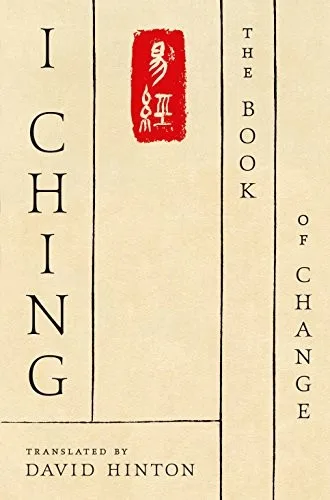
A Translation of the Ancient Chinese The Book of Burial(Zang Shu) by Guo Pu (276-324) (A Translation of the Ancient Chinese the Book of Burial(Zang Shu) By Guo Pu (276-324))
 61
61

A Translation of the Ancient Chinese The Book of Burial(Zang Shu) by Guo Pu (276-324) (A Translation of the Ancient Chinese the Book of Burial(Zang Shu) By Guo Pu (276-324))



Silas Hawthorne (Hermetic Studies Editor) — Juwen Zhang’s rendering of Guo Pu’s 'Zang Shu' is an illuminating gateway into the esoteric heart of ancient Chinese funerary practices. This is far more than a historical document; it is a vibrant exposition of geomantic principles, revealing a sophisticated understanding of energetic flows (Qi) and their alignment with celestial patterns. Zhang’s translation breathes life into Guo Pu’s dense philosophical concepts, making them accessible to the modern esoteric scholar and practitioner. It powerfully demonstrates how burial was viewed not as an end, but as a crucial act of cosmic integration. Essential reading for anyone interested in the deep roots of Feng Shui, Taoist cosmology, and the profound symbolism embedded in ancestral rites.
📝 Description
61
Juwen Zhang translates Guo Pu's 3rd-century CE 'The Book of Burial' (Zang Shu), a key text on ancient Chinese geomancy.
Juwen Zhang's translation presents Guo Pu's 'The Book of Burial' (Zang Shu), a significant work from the 3rd century CE. This text goes beyond simple funerary practices, detailing concepts of geomancy, cosmology, and the flows of vital energies. Guo Pu, a scholar and alchemist, connects the terrestrial and celestial, showing how the deceased's resting place influences living fortunes through the harmonization of these forces.
The book uses rich language and symbolic representation to explain the interplay of Yin and Yang, the movement of Qi, and the fundamental unity of existence. It frames burial as a sacred rite, a connection between the temporary and the everlasting. Zhang's translation clarifies the philosophical basis of ancient Chinese geomancy, addressing themes of life's transitions and the importance of ancestral respect.
Guo Pu's 'The Book of Burial' is situated within early Daoist traditions and the development of Chinese esoteric practices. It reflects a worldview where the physical environment and the spiritual realm are deeply interconnected. The text's focus on harmonizing energies through burial sites aligns with concepts found in early Daoist alchemy and practices aimed at achieving longevity or influencing worldly outcomes through manipulation of cosmic forces. It represents a sophisticated metaphysical system where ritual action, like proper burial, is believed to have tangible effects on both the individual and the community.
💡 Why Read This Book?
Uncover the ancient secrets of geomancy and the profound connection between the living and the departed. 'The Book of Burial' offers a unique perspective on harmonizing vital energies through sacred placement, influencing prosperity and well-being. Ideal for seekers of esoteric wisdom, scholars of ancient Chinese philosophy, and practitioners of geomancy and Feng Shui.
⭐ Reader Reviews
Honest opinions from readers who have explored this book.
❓ Frequently Asked Questions
What is the primary focus of 'The Book of Burial'?
The book primarily focuses on the esoteric principles of geomancy and the proper placement of the deceased to harmonize vital energies (Qi) and ensure the well-being of the living, reflecting a deep connection between the earthly and celestial realms.
Who was Guo Pu?
Guo Pu (276-324 CE) was a prominent Chinese scholar, poet, commentator, and alchemist during the Jin Dynasty, known for his significant contributions to various fields of ancient Chinese thought and practice.
What is geomancy?
Geomancy is an ancient divinatory art and practice of interpreting the landscape and the flow of natural energies (Qi) within a given space, often used for auspicious site selection and alignment.
Is this book suitable for beginners?
While dense with ancient philosophy, the translation and accompanying notes make it accessible to dedicated beginners interested in esoteric traditions. Prior knowledge of basic Eastern philosophy or geomancy can enhance comprehension.
What is the spiritual significance of burial in this text?
In this text, burial is viewed as a sacred ritual, a cosmic act designed to integrate the deceased with the natural and celestial forces, thereby continuing their positive influence on the living lineage.
🔮 Key Themes & Symbolism
The Interconnectedness of Life and Death
This ancient text posits that death is not an absolute end but a transition into a new energetic state, deeply intertwined with the living world. The proper burial rituals and site selection, as detailed in 'The Book of Burial,' are understood as crucial for maintaining this vital connection. By harmonizing the energies of the departed with the landscape, individuals could ensure the continued prosperity, health, and well-being of their descendants, illustrating a profound cyclical understanding of existence where the ancestral realm actively influences the earthly plane.
Geomancy as Cosmic Alignment
Guo Pu's work elevates geomancy beyond mere landscape observation to a sophisticated practice of cosmic alignment. It details how the subtle energies of the earth (Qi) interact with celestial influences, and how the placement of a tomb acts as a focal point for these forces. This alignment is believed to channel auspicious energies, impacting not only the spiritual state of the deceased but also the fortune and vitality of the entire lineage. The text serves as a guide to understanding the intricate dance of Yin and Yang and the Five Elements in shaping destiny through terrestrial influence.
The Ritual of Burial as a Sacred Act
Within the framework of 'The Book of Burial,' the act of interring the dead is imbued with profound spiritual and philosophical significance. It is not a somber farewell but a sacred ritual designed to honor the ancestral spirit while simultaneously safeguarding the living. The precise methods of tomb construction, orientation, and the surrounding landscape are meticulously analyzed, emphasizing the belief that such careful attention ensures the deceased rests in a state of perpetual harmony, thus emanating positive influences for generations to come, solidifying the ancestral bond.
💬 Memorable Quotes
Direct passages from the work, attributed to the author.
“When energies are in harmony, all beings prosper.”
— This highlights the Taoist principle of balance and flow, suggesting that auspicious outcomes in life are a direct result of aligning with the natural energetic currents of the universe.
“The mountain guards the Qi, the water guides it.”
— This illustrates the fundamental geomantic concept of how natural landforms, specifically mountains and water, are essential in containing and directing the vital life force (Qi).
“The departed connect to the living through the earth.”
— This emphasizes the enduring spiritual connection between ancestors and their descendants, mediated by the physical earth and the auspicious placement of the burial site.
“To understand the heavens, one must first understand the earth.”
— This suggests that a deep comprehension of cosmic principles begins with an understanding of terrestrial energies and their manifestations, as explored through geomancy.
💡 Key Ideas
Editorial paraphrase of the work's core concepts — not direct quotes.
The form of the grave is the root of the descendant's fortune.
This quote expresses the core geomantic belief that the physical resting place of the ancestors directly influences the material and spiritual well-being of their living descendants.
🌙 Esoteric Significance
Tradition
This text is a core part of the esoteric traditions within Taoism and ancient Chinese metaphysics. It embodies the principle of 'Tian Ren He Yi' (Harmony between Heaven and Man), illustrating how human actions, specifically the ritual of burial, can align with cosmic forces. It studies concepts of Qi (vital energy), Yin and Yang, and the Five Elements, integral to Taoist practices aimed at achieving balance, longevity, and spiritual cultivation through understanding and working with natural laws.
Symbolism
The symbolism in 'The Book of Burial' is deeply rooted in the natural world and cosmic principles. Mountains represent the stable, yang energy that contains Qi, while water symbolizes the fluid, yin energy that guides it. The orientation of the tomb, the selection of auspicious landforms, and the very materials used are imbued with symbolic meaning related to harmony, protection, and the auspicious flow of life force, ensuring a beneficial connection between the deceased and their living lineage.
Modern Relevance
In contemporary times, 'The Book of Burial' offers useful insights into the enduring human need for connection with ancestors and the natural world. Its principles of energetic harmony and mindful placement resonate with modern practices in Feng Shui and environmental psychology, highlighting the impact of our surroundings on well-being. For those seeking a deeper understanding of life, death, and the subtle forces that shape our existence, Guo Pu's work provides a timeless framework for achieving balance and fostering prosperity.
👥 Who Should Read This Book
This key work is indispensable for scholars of Chinese history, philosophy, and religion seeking to understand the intricate metaphysical beliefs of ancient China. Practitioners of Feng Shui, geomancy, and Taoist arts will find a foundational text that elucidates the core principles behind their disciplines. Seekers of esoteric wisdom interested in cross-cultural explorations of life, death, and the spiritual connection between the earthly and celestial realms will discover a profound and useful perspective. Even those new to these concepts will find value in its exploration of universal themes of harmony and interconnectedness.
📜 Historical Context
Emerging from the vibrant intellectual field of the Jin Dynasty (266-420 CE) in China, Guo Pu’s 'The Book of Burial' (Zang Shu) represents a sophisticated synthesis of Taoist cosmology, early scientific observation, and deeply ingrained ancestral veneration. This era was marked by a flourishing of scholarship and a keen interest in the metaphysical forces governing the universe. 'The Book of Burial' stands as a proof of the period's belief in the profound interconnectedness of the cosmos, the earth, and human destiny. It reflects a culture where geomancy, or the art of site selection and landscape interpretation, was not merely superstition but a vital practice influencing architecture, city planning, and crucially, funerary rites. Guo Pu’s work built upon earlier traditions, refining them into a coherent system that would profoundly influence later developments in Feng Shui and Chinese metaphysical thought, shaping how generations understood and interacted with the spiritual and material worlds.
📔 Journal Prompts
Reflect on the concept of 'Qi' (vital energy) as described in the text. How might you perceive or sense this energy in your own environment?
Consider the idea that the placement of a burial site influences the living. What are your thoughts on the enduring impact of ancestors and their resting places?
Guo Pu emphasizes the harmony between the earthly and celestial realms. How can one cultivate a sense of this cosmic connection in their daily life?
The text views burial as a sacred ritual. What rituals in your own life or culture hold deep spiritual significance, and why?
How does the ancient Chinese understanding of life and death presented in 'The Book of Burial' compare to modern Western perspectives?
🗂️ Glossary
Qi (氣)
Often translated as vital energy, life force, or breath. It is the fundamental animating principle believed to flow through all things in the universe, influencing health, prosperity, and spiritual well-being.
Yin and Yang (陰陽)
The fundamental principle of duality in Chinese philosophy, representing complementary and interconnected opposing forces (e.g., dark/light, passive/active, female/male) that shape the cosmos and all phenomena.
Geomancy
The ancient practice of interpreting the landscape and its energetic flows (Qi) for auspicious site selection, often related to burial sites, homes, and cities.
Five Elements (五行)
A fundamental concept in Chinese philosophy representing Wood, Fire, Earth, Metal, and Water, believed to be the basic building blocks of the universe and to interact in cyclical patterns.
Zang Shu (葬書)
Literally 'Book of Burial,' this is the original Chinese title of the work by Guo Pu, a foundational text on Chinese geomancy and funerary practices.
This book appears in 4 collections
🔮 Readers Also Liked
Browse all →






From the “Geomancy” Collection
View all →








More Free Divination & Tarot Books
View all →