Yima
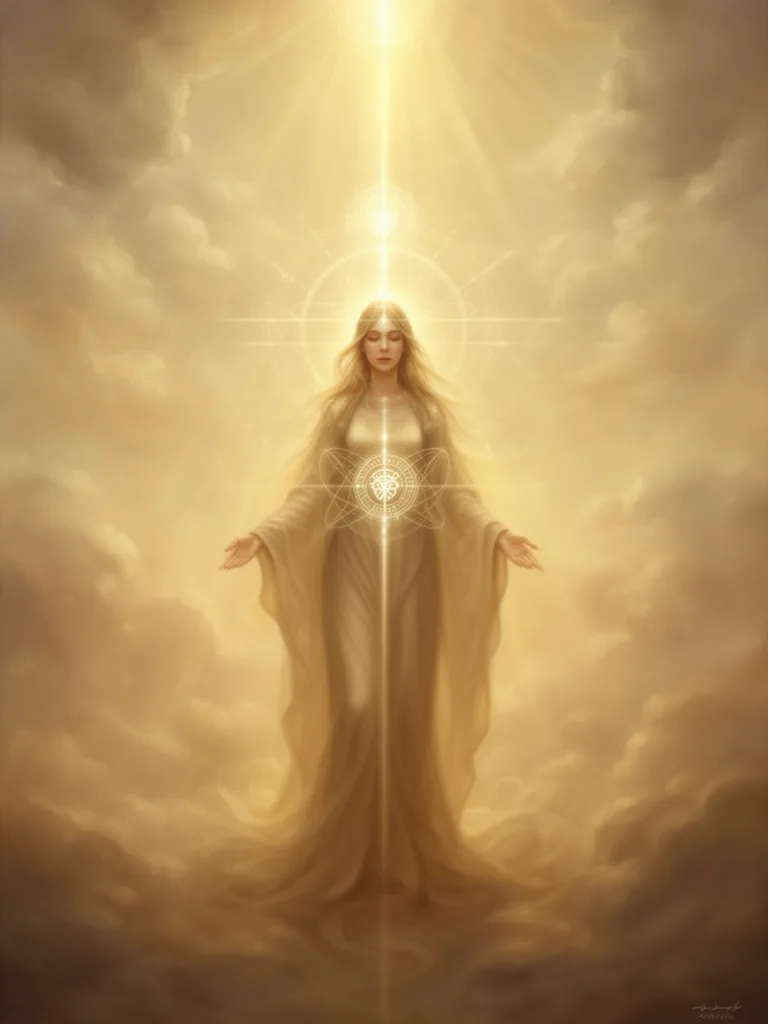
Yima is a primordial figure in Zoroastrian mythology, often equated with Yama in Indic traditions. He is the first human, a king who ruled a golden age of immortality before humanity's fall, and later became the judge of the dead.
Where the word comes from
The name Yima derives from the Avestan word "Yima," which itself stems from the Proto-Indo-Iranian "*yamá-". This root is cognate with the Sanskrit "Yama," the god of death. The term likely signifies "twin" or "one who controls/restrains."
In depth
In the Vcndiddd, the first man, and, from his aspect of spiritual progenitor of mankind, the same as Yama (q.v.). Ilis further functions are not given in the Zend books, because so many of the.se ancient fragments have been lost, made away with, or otherwis" |)revented from falling into the hands of the i)rofane. Yima was not horn, for he represents the first tliree human Root-races, the first of which is "not born"; but he is the "first man who dies", because the third race, the one which \vas informed by the rational Higher Egos, was the first one whose men separated into male and female, and "man lived and died, and was reborn". (See Secret Doctrine, II.. jip. 609 et seq.)
How different paths see it
What it means today
Yima, the radiant king of the early Avestan texts, embodies a profound myth of origin and decline. He is not merely a historical figure but a symbolic representation of humanity's initial perfect state, a time when the world, under his benevolent rule, knew no death, sickness, or falsehood. Mircea Eliade, in his work on myth and reality, would recognize in Yima a figure akin to the culture hero or primordial man who inaugurates existence and establishes the cosmic order. His reign is a golden age, a period of unblemished being, a concept echoed in various creation myths and paradisiacal accounts across cultures.
The narrative of Yima's fall, though not fully detailed in the surviving Zend fragments, is crucial. It signifies the moment when humanity loses its pristine connection to the divine or the cosmic order, introducing mortality and suffering. This fall is often linked to a transgression, a loss of purity or innocence, a theme central to many religious and philosophical traditions. Yima's subsequent role as the judge of the dead, the one who guides souls to their final destination, underscores his enduring significance. He becomes the first mortal to traverse the bridge between the living and the departed, establishing the ritual and spiritual pathways for all who follow. This dual aspect, as progenitor of an immortal era and usherer of the mortal realm, positions Yima as a complex and archetypal figure, reflecting the inherent paradoxes of existence.
The parallels with Yama in the Hindu tradition are striking. Both figures represent the primal king and the ultimate arbiter of destiny, presiding over the transition from life to death. This shared symbolism suggests a common Indo-Iranian mythological substratum, a testament to the deep roots of these ideas. For the modern seeker, Yima's story offers a contemplation on the nature of perfection, the inevitability of change, and the profound mystery of what lies beyond the veil of mortality. He reminds us that even in loss, there is order and judgment, a cosmic structure that gives meaning to our transient existence.
RELATED_TERMS: Yama, Adam, Manu, Prometheus, Culture Hero, Golden Age, Underworld, Judge of the Dead
Related esoteric terms
No reflections yet. Be the first.
Share your interpretation, experience, or question.
