Jyotisha
Jyotisha is the ancient Indian science of celestial observation and divination, integrating astronomy and astrology. It serves as a Vedanga, a limb of Vedic knowledge, used to understand cosmic influences on earthly events and human lives through planetary positions and movements.
Where the word comes from
The Sanskrit term "Jyotisha" derives from "jyotis," meaning light or celestial body. It is one of the six Vedangas, auxiliary disciplines of the Vedas, first codified in texts like the Jyotisha Vedanga, with its roots stretching back to Vedic astronomical observations.
In depth
Astronomy and Astrology; one of the Vcdangas.
How different paths see it
What it means today
Jyotisha, often translated as Vedic astrology, represents a sophisticated system of understanding the cosmos not merely as a backdrop to human affairs but as an active participant in shaping them. It is one of the six Vedangas, the "limbs" of the Vedas, essential for the correct performance of rituals and the comprehension of sacred texts. Unlike Western astrology, which often developed separately from astronomy, Jyotisha is deeply intertwined with astronomical observation and calculation. The ancient Indian sages, through meticulous charting of the stars and planets, sought to discern patterns and rhythms that mirrored the unfolding of life on Earth. This is not a fatalistic determinism, but rather a recognition of cosmic influences, akin to how the tides are influenced by the moon.
Mircea Eliade, in his work on the history of religions, often highlighted the human impulse to find order and meaning in the celestial sphere, seeing in astronomical cycles a reflection of terrestrial time and destiny. The birth chart, or janma kundali, in Jyotisha is a snapshot of the heavens at the moment of an individual's birth, believed to encode karmic predispositions and life trajectories. The practice involves understanding the movements of the planets, their relationships to each other, and their positions within the zodiacal signs and lunar mansions. This cosmic blueprint is then interpreted to offer guidance, understand challenges, and identify auspicious times for various endeavors, from marriage to business ventures. It’s a practice that encourages self-reflection by placing the individual within a grand, cosmic narrative, suggesting that understanding our place in the universe can illuminate our path within it. The goal is not to be a passive observer of fate, but an informed participant, working with the cosmic currents rather than against them.
RELATED_TERMS: Astrology, Astronomy, Karma, Dharma, Samsara, Moksha, Vedanga, Nakshatra
Related esoteric terms
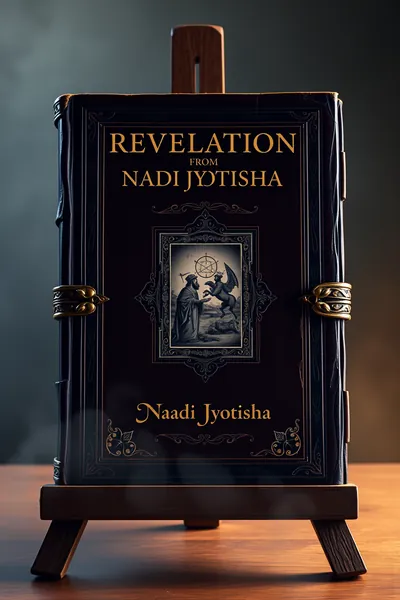
Books on this concept







No reflections yet. Be the first.
Share your interpretation, experience, or question.
