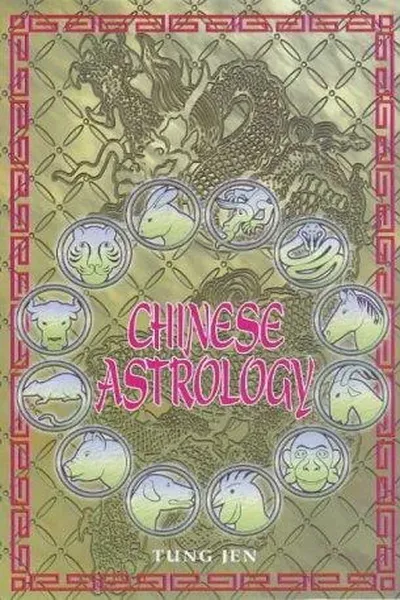
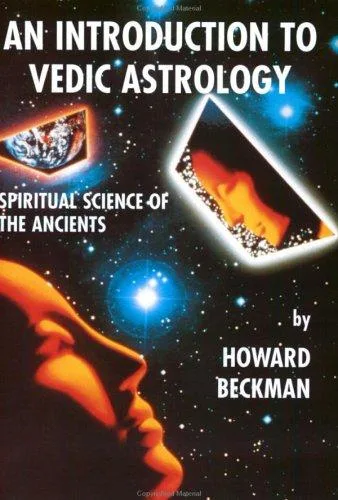
An Introduction to Vedic Astrology ; Spiritual Science of the Ancients
 69
69

An Introduction to Vedic Astrology ; Spiritual Science of the Ancients


Isolde Whitaker, Sacred Texts Editor: Howard Beckman's 'An Introduction to Vedic Astrology' is a beacon of clarity in the often-convoluted world of astrological study. Beckman deftly navigates the esoteric depths of Jyotisha, presenting its principles with an accessible yet profound touch. He illuminates the spiritual underpinnings of this ancient science, revealing its capacity to foster self-awareness and facilitate karmic understanding. This work is an invaluable resource for serious seekers and aspiring practitioners alike, offering not just techniques but a philosophical framework for engaging with the celestial energies that shape our lives, including the profound connection to health and vitality.
📝 Description
69
Howard Beckman's 2003 book introduces Jyotisha, the Indian astrological system.
Howard Beckman's 'An Introduction to Vedic Astrology' explains Jyotisha, the traditional Indian system of astrology. The book presents this practice as more than just predicting future events. Instead, it frames Jyotisha as a spiritual science connected to universal consciousness and personal development. Beckman details how birth charts, based on planetary positions at the moment of birth, map out an individual's karmic path. The text examines the symbolism within Vedic cosmology, the archetypal forces of the planets, and the effects of zodiacal signs and lunar mansions.
This work is intended for readers interested in life's deeper questions. It aims to provide a connection to ancient knowledge and a structure for self-understanding. The book also touches upon how astrological principles can relate to general well-being and health.
Vedic astrology, or Jyotisha, is a branch of the Vedas, the ancient scriptures of India. It is considered a 'Vedanga,' or limb of the Vedas, meant to support Vedic rituals and understanding. Unlike Western astrology, which developed independently, Jyotisha is deeply rooted in Hindu philosophy and cosmology. Its principles are seen as a divine science, offering insights into karma, reincarnation, and dharma. This system uses a sidereal zodiac, aligning with actual star constellations, and places a strong emphasis on the Moon's position and its divisions, the nakshatras.
💡 Why Read This Book?
This book is your gateway to unlocking the ancient wisdom of Vedic astrology, a spiritual science that offers profound insights into your life's purpose and cosmic connections. Ideal for spiritual seekers, practitioners of yoga and meditation, and anyone yearning for a deeper understanding of destiny, karma, and the celestial influences that shape our well-being and health. Discover a path to self-knowledge, empowerment, and alignment with universal rhythms.
⭐ Reader Reviews
Honest opinions from readers who have explored this book.
❓ Frequently Asked Questions
What is Vedic Astrology?
Vedic Astrology, or Jyotisha, is an ancient Indian system of astrology that uses the sidereal zodiac and precise planetary calculations to map an individual's life path, karmic influences, and potential for spiritual growth and well-being.
How does Vedic Astrology differ from Western Astrology?
The primary difference lies in the zodiac used: Vedic astrology uses the sidereal zodiac (fixed stars), while Western astrology typically uses the tropical zodiac (based on seasons). This leads to significant differences in planetary placements.
Can Vedic Astrology help with health concerns?
Yes, Vedic astrology can offer insights into predispositions to certain health conditions and suggest remedies or lifestyle adjustments based on planetary influences, aligning with the universal concern for health.
Is this book suitable for complete beginners?
Absolutely. Beckman's introductory approach makes complex concepts accessible, guiding newcomers through the foundational principles of Vedic astrology with clarity and depth.
What is the spiritual significance of Vedic Astrology?
It's viewed as a divine science, a tool for understanding karma, dharma (life's purpose), and the soul's journey, offering a framework for spiritual evolution and alignment with cosmic order.
🔮 Key Themes & Symbolism
The Celestial Blueprint of the Soul
This theme examines the profound concept that the natal chart in Vedic astrology is more than just a snapshot of the heavens; it's a sacred, divinely ordained map of the soul's karmic journey. It explores how planetary configurations encode lessons, potentials, and challenges designed for spiritual evolution, offering a unique perspective on destiny as a guiding force rather than an immutable sentence. The intricate dance of celestial bodies is presented as a living scripture, revealing the intricate interconnectedness of the individual with the cosmos and the universal quest for understanding one's place and purpose.
Jyotisha as Sacred Science and Spiritual Practice
Howard Beckman positions Vedic astrology not as mere fortune-telling, but as Jyotisha – the 'science of light' – a profound spiritual discipline. This theme emphasizes its role in revealing the divine order, fostering self-awareness, and guiding individuals towards their dharma (life's purpose). It highlights how understanding astrological principles can lead to greater acceptance of life's circumstances, cultivate inner peace, and facilitate spiritual growth by aligning one's actions and intentions with cosmic rhythms. The practice is presented as a path to wisdom and enlightenment, deeply rooted in ancient philosophical traditions.
Planetary Archetypes and Karmic Resonance
This core theme explores the archetypal energies embodied by the planets within the Vedic system and their lasting impact on human experience and karma. Beckman illuminates how each celestial body represents specific psychological, spiritual, and material influences that resonate with an individual's past actions and future potentials. Understanding these planetary archetypes allows for a deeper comprehension of personal strengths, weaknesses, and the karmic patterns that manifest throughout life, providing a framework for conscious engagement with these forces and the universal concern for health and well-being.
💬 Memorable Quotes
Direct passages from the work, attributed to the author.
“Every birth is a divine message etched in stardust.”
— This poetic phrase emphasizes the sacredness of each individual's existence and the profound, cosmic significance embedded within their unique astrological chart, seen as a message from the universe itself.
“The cosmic dance reflects the inner landscape.”
— This highlights the fundamental principle of astrology – the correspondence between the macrocosm (universe) and the microcosm (individual) – suggesting that celestial movements mirror our internal states and experiences.
💡 Key Ideas
Editorial paraphrase of the work's core concepts — not direct quotes.
The stars do not command; they reveal.
This quote underscores the philosophical stance that astrology is a diagnostic tool, useful potentials and influences rather than dictating fate. It empowers the individual by suggesting that knowledge of these influences allows for conscious choice and navigation.
Jyotisha is the light that guides the soul's journey.
This quote defines Vedic astrology as a spiritual illumination, a guiding principle that aids in understanding life's path, purpose, and the soul's evolution through the challenges and opportunities presented.
Health is but one facet of cosmic harmony.
This quote places the concern for health within a broader spiritual and cosmic context, suggesting that physical well-being is intrinsically linked to one's alignment with universal energies and principles.
🌙 Esoteric Significance
Tradition
Vedic astrology is a core part of the Vedic spiritual tradition, a vast body of ancient Indian knowledge encompassing philosophy, ritual, and cosmology. Within this tradition, Jyotisha is considered a 'Vedanga' – a limb of the Vedas – essential for understanding and applying Vedic wisdom. It is deeply intertwined with concepts of karma, dharma, reincarnation, and the pursuit of liberation (moksha), positioning it as a profound tool for spiritual discernment and self-realization.
Symbolism
The symbolism in Vedic astrology is rich and complex, drawing from nature, mythology, and philosophical concepts. Planets represent archetypal energies (e.g., Mars as warrior/energy, Jupiter as wisdom/expansion). The zodiac signs embody distinct personality traits and life lessons. Houses symbolize different areas of life. Navagrahas (nine celestial bodies) are central, each with its own iconography, mantras, and remedial measures, offering a complex symbolic language to interpret the soul's blueprint and its connection to the universal forces.
Modern Relevance
In contemporary times, Vedic astrology offers a profound counterpoint to purely materialistic views of life. It provides a framework for understanding personal challenges and opportunities through the lens of karma and spiritual growth, fostering resilience and self-acceptance. For many, it serves as a guide for navigating life transitions, clarifying purpose, and enhancing well-being, including physical health, by promoting alignment with natural rhythms and cosmic influences. Its emphasis on self-awareness and conscious living resonates deeply with modern seekers of meaning.
👥 Who Should Read This Book
This book is a treasure for the discerning seeker. Beginners will find an accessible yet profound entry point into the spiritual science of Jyotisha, explaining complex concepts. Experienced practitioners of other astrological systems will discover a rich, ancient tradition offering unique perspectives on karma and destiny. Scholars of comparative religion and esoteric studies will appreciate its historical and philosophical depth. Ultimately, anyone yearning for a deeper understanding of life's patterns, their cosmic connections, and a path toward greater self-awareness and spiritual alignment will find immense value within these pages.
📜 Historical Context
Vedic astrology, or Jyotisha, emerged from the ancient Vedic civilization of India, with its roots stretching back thousands of years. Developed during a period of profound philosophical and spiritual inquiry, it was intrinsically linked to Vedic rituals, cosmology, and the understanding of natural cycles. Its development paralleled the rise of other ancient wisdom traditions, such as Hermeticism and early Chinese astrology, all seeking to decipher the relationship between the celestial realm and human existence. Jyotisha was meticulously recorded and passed down through generations of sages and scholars, becoming an integral part of Indian culture, influencing everything from personal life decisions to the timing of major events. Its enduring legacy speaks to its deep philosophical underpinnings and its continued relevance as a spiritual science.
📔 Journal Prompts
Reflect on a significant life event and consider how the astrological principles discussed might offer a deeper interpretation of its karmic significance.
How does the concept of planetary archetypes resonate with your own personality and life experiences?
In what ways does understanding your birth chart, as described in Vedic astrology, empower you to navigate your current life path?
Consider the connection between celestial harmony and personal well-being. What small steps can you take to align yourself with beneficial cosmic rhythms for improved health and vitality?
How can the wisdom of Vedic astrology be integrated into your daily spiritual practice or personal philosophy?
🗂️ Glossary
Jyotisha
The ancient Indian system of astrology, literally meaning 'science of light.' It is considered a Vedanga, or limb of the Vedas, and is used to understand cosmic influences on human life and spiritual development.
Rashi
The Sanskrit term for 'sign' in Vedic astrology, referring to the twelve divisions of the zodiac (e.g., Aries, Taurus), each with distinct characteristics and energies.
Graha
The Sanskrit term for 'planet' or 'celestial body' in Vedic astrology, referring to the Sun, Moon, Mars, Mercury, Jupiter, Venus, Saturn, Rahu, and Ketu, which exert influences on earthly life.
Dharma
A central concept in Vedic philosophy, often translated as 'duty,' 'righteousness,' or 'life's purpose.' In astrology, it relates to an individual's inherent path and spiritual calling.
Karma
The principle of cause and effect, where actions in this life and past lives create consequences that shape present and future experiences, deeply influencing one's astrological chart.
This book appears in 2 collections
🔮 Readers Also Liked
Browse all →









More by Howard Beckman
All books →

From the “Astrology” Collection
View all →









More Free Astrology & Cosmology Books
View all →