Astral body
The astral body is a non-physical, energetic duplicate of the physical body, believed to be capable of independent travel and perception. It is considered a vehicle for consciousness beyond the material realm, often associated with dreams, out-of-body experiences, and the subtle energies that permeate existence.
Where the word comes from
The term "astral" derives from the Latin "astralis," meaning "of the stars." Its conceptual roots trace back to ancient Greek ideas of a celestial or luminous body accompanying the soul, a notion elaborated by Plato and later integrated into Hermetic and Neoplatonic thought, becoming prominent in esoteric traditions from the 19th century onwards.
In depth
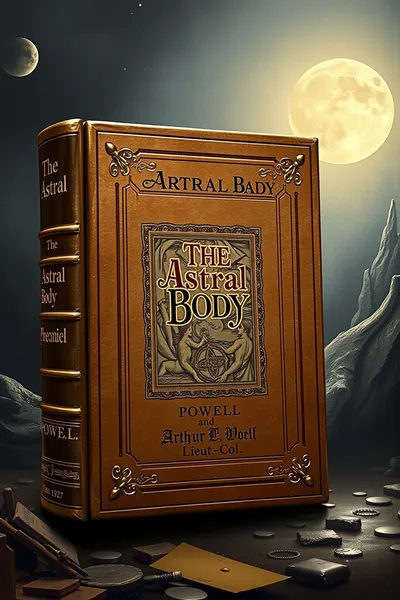
The astral body is a subtle body posited by many philosophers, intermediate between the intelligent soul and the mental body, composed of a subtle material. In many recensions the concept ultimately derives from the philosophy of Plato though the same or similar ideas have existed all over the world well before Plato's time: it is related to an astral plane, which consists of the planetary heavens of astrology. The term was adopted by nineteenth-century Theosophists and neo-Rosicrucians. The idea...
How different paths see it
What it means today
The notion of an astral body, a luminous, etheric counterpart to our corporeal form, has long captivated the human imagination, offering a compelling counterpoint to the stark materialism that often defines modern existence. It speaks to a deeply ingrained intuition that we are more than the sum of our physical parts, that a subtler, more pervasive essence accompanies us through life and perhaps beyond. Mircea Eliade, in his seminal works on the history of religions, often highlighted the universal human impulse to conceive of the self as multi-dimensional, a complex interplay of visible and invisible vehicles.
This concept, particularly as it coalesced in Hermetic and Neoplatonic philosophies, posits a body composed of a finer substance, capable of traversing realms inaccessible to the physical senses. It is the body of dreams, of visions, of the ecstatic journeys undertaken by mystics who sought direct communion with the divine. Think of it as a subtle instrument, tuned to frequencies beyond the ordinary, allowing for a form of perception that bypasses the limitations of flesh and bone. It is the conduit through which the soul, the intelligent principle, interacts with the celestial influences and the myriad planes of existence described in esoteric cosmologies.
For the modern seeker, the astral body is less about literal travel and more about the cultivation of inner awareness. It invites contemplation on the nature of consciousness itself, on the possibility that our awareness is not confined to the skull but extends outwards, capable of experiencing realities that are not strictly physical. Practices that emphasize deep meditation, lucid dreaming, or focused visualization can be seen as methods for exploring this subtler aspect of the self, for becoming more attuned to the energetic currents that inform our experience. It is an invitation to recognize the inherent fluidity of being, to understand that the boundaries we perceive are often constructs of a limited perspective. The astral body, in essence, is a metaphor for the boundless potential of consciousness.
RELATED_TERMS: Subtle body, Aether, Spirit, Soul, Consciousness, Vital force, Subtle energies, Aura ---
Related esoteric terms
Books on this concept







No reflections yet. Be the first.
Share your interpretation, experience, or question.
