What is Channeling?
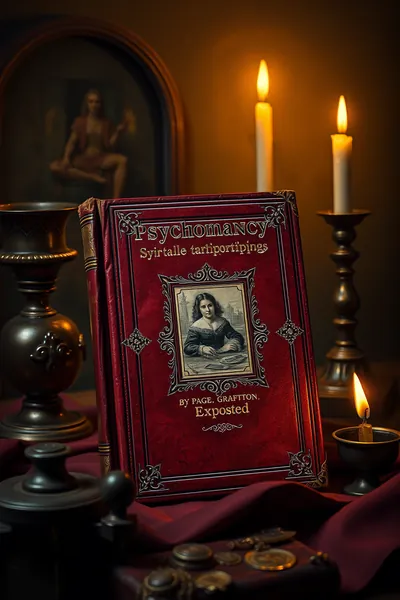
Channeling involves acting as a conduit for communication from a non-physical source, often referred to as spirits, guides, or higher consciousness. This process can manifest through various means, including automatic writing, verbal dictation, or telepathic impressions. Historically, mediums in the 19th century engaged in practices like spirit slate writing and table-tipping, as detailed in works like Charles Grafton Page's 'Psychomancy'. Modern interpretations explore channeling for personal growth, spiritual insight, and therapeutic purposes, often focusing on the ethical considerations and personal development aspects of the practice.
Best Books for Complete Beginners
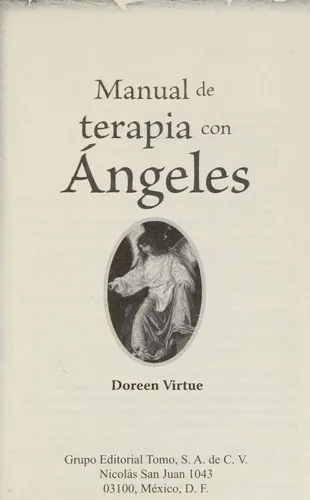
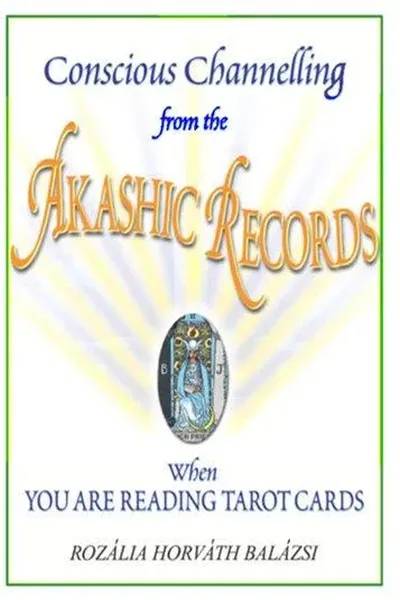
For those new to channeling, starting with accessible guides is recommended. Doreen Virtue's 'The Angel Therapy Handbook' offers a gentle introduction to connecting with angelic guidance. 'Conscious Channeling from the Akashic Records When You Are Reading Tarot Cards' by Rozalia Horvath Balazsi provides practical steps for focused channeling. 'Talking with the Spirits' by Jack Hunter and David Luke explores the phenomenon from multiple perspectives, bridging historical accounts with contemporary understanding. 'Psychic Secrets' by Jade-Sky introduces fundamental concepts of psychic awareness relevant to channeling. Finally, 'Brothers Forever' by Joseph Gallenberger offers a personal journey into spiritual connection and guidance.
Intermediate Reading
Building on foundational knowledge, intermediate texts delve deeper into specific aspects and techniques. 'Transformation at Angel Valley' by Amayra and Michael Hamilton presents experiences and teachings from a dedicated spiritual center. 'Messages from the Space Union' by Amarie offers channeled communications from extraterrestrial intelligences, expanding the scope of potential sources. 'The Angel Therapy Handbook' by Doreen Virtue, while accessible to beginners, also contains advanced techniques for deeper work. 'Spirit Summonings' by Time-Life Books provides a broader overview of spiritual communication methods, including those related to channeling.
Classical / Advanced Texts
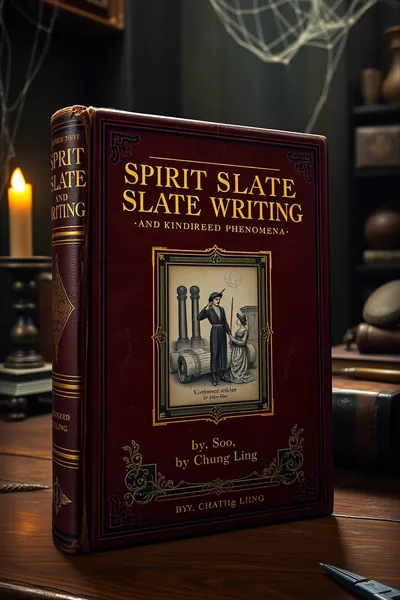
For serious students, classical and advanced texts offer historical context and in-depth theoretical frameworks. Soo, Chung Ling's 'Spirit Slate Writing and Kindred Phenomena' is a primary source documenting early spiritualist practices and their mechanics. Charles Grafton Page's 'Psychomancy: Spirit-Rappings and Table-Tippings Exposed' provides a critical, albeit skeptical, early examination of phenomena associated with mediumship. Heike Behrend's 'Trance Mediums and New Media' offers scholarly analysis of channeling in relation to evolving communication technologies. 'Who Is Ashtar?' by Ashtar Command and Tuella presents channeled material from a specific extraterrestrial collective, offering advanced insights into their cosmology.
Reading Order — Step by Step
Begin with foundational texts to grasp core concepts. Weeks 1-2: Start with 'The Angel Therapy Handbook' by Doreen Virtue for an accessible introduction to spiritual communication. Month 1: Follow with 'Conscious Channeling from the Akashic Records When You Are Reading Tarot Cards' by Rozalia Horvath Balazsi for practical application. Month 2: Explore 'Talking with the Spirits' by Jack Hunter and David Luke to broaden your understanding of the phenomenon. Month 3: Explore 'Spirit Slate Writing and Kindred Phenomena' by Soo, Chung Ling for historical context. Subsequently, explore 'Psychomancy' by Charles Grafton Page and 'Who Is Ashtar?' for advanced and classical perspectives, integrating them as your understanding grows.
Frequently Asked Questions
Which channeling book should I read first?
For beginners, 'The Angel Therapy Handbook' by Doreen Virtue is a recommended starting point due to its accessible approach to connecting with spiritual guidance and understanding basic channeling principles.
What is the difference between channeling and mediumship?
While often used interchangeably, channeling typically refers to receiving messages from higher consciousness or spiritual guides for wisdom, while mediumship often involves communicating with spirits of deceased individuals.
Are there scientific explanations for channeling?
Scientific inquiry into channeling is limited, but related phenomena are explored in psychology and parapsychology, examining altered states of consciousness, subconscious influences, and cognitive processes involved in perceived external communication.
How can I verify if a channeled message is authentic?
Authenticity is often assessed by the message's consistency, its alignment with higher ethical principles, its ability to inspire positive change, and its resonance with your own inner knowing or intuition.
Can anyone learn to channel?
Many believe that everyone has the potential to channel to some degree. Developing this ability often involves practices like meditation, mindfulness, and dedicated study, as outlined in various books on the subject.
What are the ethical considerations in channeling?
Ethical channeling involves clear intent, respect for the source and recipient, avoiding manipulation or misrepresentation, and ensuring the messages serve a higher purpose and promote well-being.
Where can I find historical accounts of channeling?
Historical accounts can be found in texts like 'Spirit Slate Writing and Kindred Phenomena' by Soo, Chung Ling, and 'Psychomancy' by Charles Grafton Page, which document early spiritualist practices.