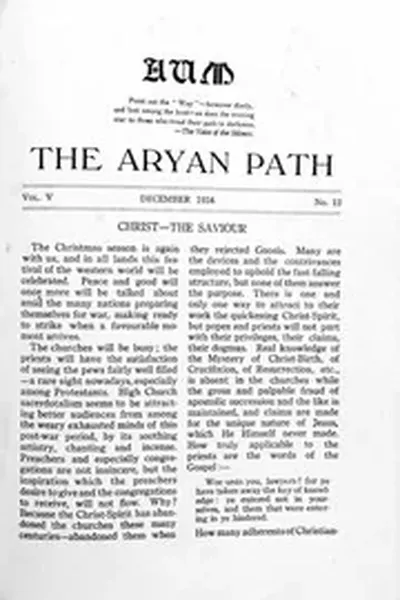
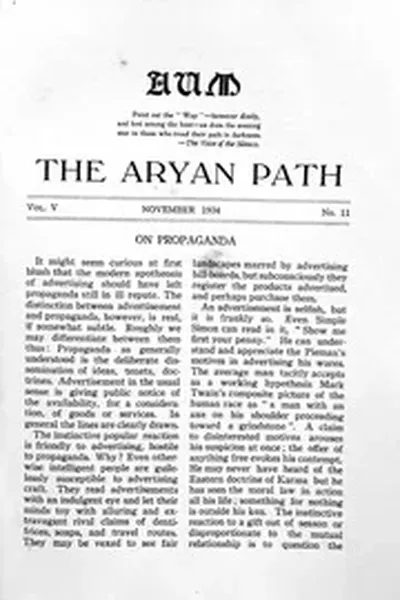
Welcome to the Esoteric Library's collection on Anthroposophy, a spiritual science developed by the Austrian philosopher, social reformer, and esotericist Rudolf Steiner. Born from a profound inquiry into the nature of humanity and the cosmos, Anthroposophy seeks to bridge the gap between science and spirituality, offering a path to self-knowledge and a deeper understanding of the world. This unique approach emphasizes the development of spiritual perception, allowing individuals to access higher realms of existence and gain insights into spiritual truths often hidden from conventional scientific methods. Our collection provides a window into the foundational ideas of Anthroposophy and the broader Theosophical currents from which it emerged.
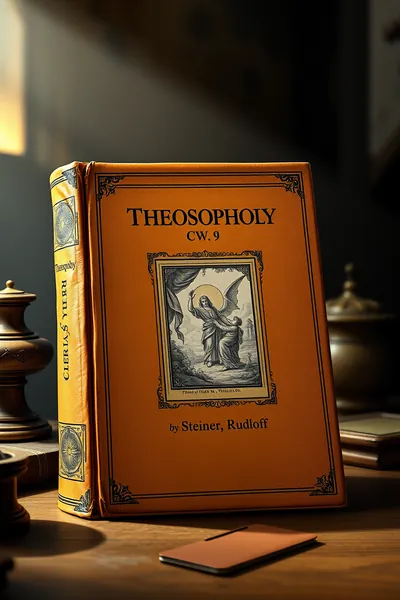
At its heart, Anthroposophy posits that human beings are spiritual entities, evolving through successive incarnations and guided by spiritual laws. Steiner's work, such as his seminal text "Theosophy (CW 9)" found within this collection, lays out the intricate structure of human nature, describing various bodies (physical, etheric, astral, ego) and their interplay. This spiritual science explores concepts like karma and reincarnation not merely as dogmas, but as observable realities through trained spiritual faculties. The aim of Anthroposophy is to foster a conscious connection with the spiritual world, leading to a more meaningful and responsible life. It encourages an active, experiential engagement with spiritual realities, rather than passive belief.
Anthroposophy is not just a theoretical framework; it has inspired a wide range of practical movements across various fields. Perhaps best known are the Waldorf schools, which offer a holistic, developmentally appropriate education system informed by Anthroposophical principles. Other applications include biodynamic agriculture, which emphasizes the ecological and spiritual health of the farm; anthroposophical medicine, a complementary approach to healing; and eurythmy, an expressive art form that makes visible the sounds of speech and music. These practical endeavors demonstrate the living, transformative power of Anthroposophy in shaping human culture and well-being.
While Anthroposophy eventually diverged from the Theosophical Society, Rudolf Steiner initially served as its German section's general secretary. This historical connection means that many early Anthroposophical ideas were first explored within a Theosophical context. Therefore, this collection also includes works by prominent Theosophists like Annie Besant and C. W. Leadbeater, whose writings on clairvoyance, thought-forms, and the spiritual planes provide essential background for understanding the intellectual landscape from which Anthroposophy developed. These texts offer perspectives on spiritual development and the unseen realms, enriching the study of Anthroposophy itself.
Whether you are new to spiritual inquiry or seeking to deepen your understanding of human existence, this collection offers valuable resources. From the foundational texts outlining the core tenets of Anthroposophy to broader explorations of esoteric principles, each book provides a unique perspective on the journey of spiritual discovery. We invite you to explore these public domain works and discover the rich insights that Anthroposophy and its related spiritual traditions offer for understanding ourselves and our place in the cosmos.