100% Free & Public Domain 16,000+ Esoteric Books No Registration Needed
Home Collections Anthroposophy
📖

Anthroposophy: Exploring Spiritual Science & Human Wisdom

Welcome to the Esoteric Library's collection on Anthroposophy, a spiritual science developed by the Austrian philosopher, social reformer, and esotericist Rudolf Steiner. Born from a profound inquiry into the nature of humanity and the cosmos, Anthroposophy seeks to bridge the gap between science and spirituality, offering a path to self-knowledge and a deeper understanding of the world. This unique approach emphasizes the development of spiritual perception, allowing individuals to access higher realms of existence and gain insights into spiritual truths often hidden from conventional scientific methods. Our collection provides a window into the foundational ideas of Anthroposophy and the broader Theosophical currents from which it emerged.

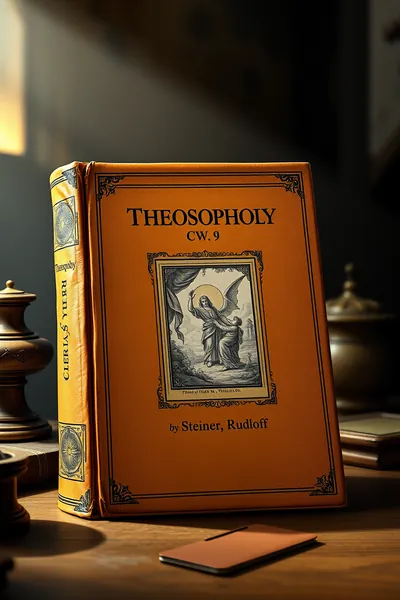
At its heart, Anthroposophy posits that human beings are spiritual entities, evolving through successive incarnations and guided by spiritual laws. Steiner's work, such as his seminal text "Theosophy (CW 9)" found within this collection, lays out the intricate structure of human nature, describing various bodies (physical, etheric, astral, ego) and their interplay. This spiritual science explores concepts like karma and reincarnation not merely as dogmas, but as observable realities through trained spiritual faculties. The aim of Anthroposophy is to foster a conscious connection with the spiritual world, leading to a more meaningful and responsible life. It encourages an active, experiential engagement with spiritual realities, rather than passive belief.

Anthroposophy is not just a theoretical framework; it has inspired a wide range of practical movements across various fields. Perhaps best known are the Waldorf schools, which offer a holistic, developmentally appropriate education system informed by Anthroposophical principles. Other applications include biodynamic agriculture, which emphasizes the ecological and spiritual health of the farm; anthroposophical medicine, a complementary approach to healing; and eurythmy, an expressive art form that makes visible the sounds of speech and music. These practical endeavors demonstrate the living, transformative power of Anthroposophy in shaping human culture and well-being.

While Anthroposophy eventually diverged from the Theosophical Society, Rudolf Steiner initially served as its German section's general secretary. This historical connection means that many early Anthroposophical ideas were first explored within a Theosophical context. Therefore, this collection also includes works by prominent Theosophists like Annie Besant and C. W. Leadbeater, whose writings on clairvoyance, thought-forms, and the spiritual planes provide essential background for understanding the intellectual landscape from which Anthroposophy developed. These texts offer perspectives on spiritual development and the unseen realms, enriching the study of Anthroposophy itself.

Whether you are new to spiritual inquiry or seeking to deepen your understanding of human existence, this collection offers valuable resources. From the foundational texts outlining the core tenets of Anthroposophy to broader explorations of esoteric principles, each book provides a unique perspective on the journey of spiritual discovery. We invite you to explore these public domain works and discover the rich insights that Anthroposophy and its related spiritual traditions offer for understanding ourselves and our place in the cosmos.

Top Anthroposophy Books

25 Anthroposophy books
Clairvoyance
📖
Clairvoyance
Leadbeater, C. W. (Charles Webster)
4.3
69
SCHOLAR'S PICK
Invisible helpers
📖
Invisible helpers
Leadbeater, C. W. (Charles Webster)
4.2
69
SCHOLAR'S PICK
Elementary Theosophy
📖
Elementary Theosophy
Rogers, L. W. (Louis William)
4.3
69
Aryan Path Vol. 4
📖
Aryan Path Vol. 4
Theosophy Company (Mysore) India
4.4
73
SCHOLAR'S PICK
Aryan Path Volume 5
📖
Aryan Path Volume 5
Theosophy Company (Mysore) India
4.5
78
Aryan Path Vol. 6
📖
Aryan Path Vol. 6
Theosophy Company (Mysore) India
4.6
80
HIDDEN GEM
Aryan Path Vol. 6.3
📖
Aryan Path Vol. 6.3
Theosophy Company (Mysore) India
4.7
84
SCHOLAR'S PICK
Aryan Path Vol. 5.10
📖
Aryan Path Vol. 5.10
Theosophy Company (Mysore) India
4.3
71
MASTERPIECE
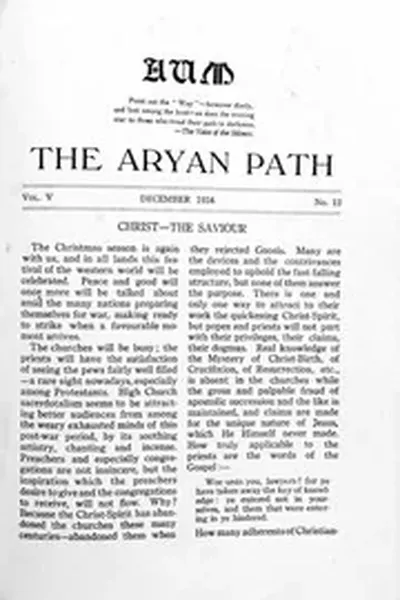
Aryan Path Vol. 5.12
📖
Aryan Path Vol. 5.12
Theosophy Company (Mysore) India
4.7
84
HIDDEN GEM
Aryan Path Vol. 6.4
📖
Aryan Path Vol. 6.4
Theosophy Company (Mysore) India
4.4
73
TRENDING
Aryan Path Vol. 4.5
📖
Aryan Path Vol. 4.5
Theosophy Company (Mysore) India
4.6
81
MASTERPIECE
Aryan Path Vol. 6.8
📖
Aryan Path Vol. 6.8
Theosophy Company (Mysore) India
4.4
73
TIMELESS
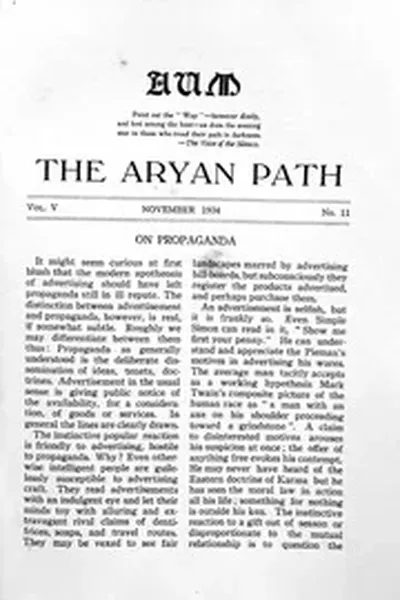
Aryan Path Vol. 5.11
📖
Aryan Path Vol. 5.11
Theosophy Company (Mysore) India
4.3
72
Aryan Path Vol. 6.2
📖
Aryan Path Vol. 6.2
Theosophy Company (Mysore) India
4.7
83
Aryan Path Vol. 6.11
📖
Aryan Path Vol. 6.11
Theosophy Company (Mysore) India
4.4
74
HIDDEN GEM
Aryan Path Vol. 6.9
📖
Aryan Path Vol. 6.9
Theosophy Company (Mysore) India
4.4
74
Aryan Path Vol. 6.5
📖
Aryan Path Vol. 6.5
Theosophy Company (Mysore) India
4.4
75
Aryan Path Vol. 6.12
📖
Aryan Path Vol. 6.12
Theosophy Company (Mysore) India
4.3
72
Aryan Path Vol. 6.10
📖
Aryan Path Vol. 6.10
Theosophy Company (Mysore) India
4.5
76

Reading Order

Three paths · pick by your level

🌱

Beginner

  1. Theosophy (CW 9) This foundational text by Rudolf Steiner introduces the core concepts of Anthroposophy, making it an ideal starting point for new readers.
  2. Elementary Theosophy Offers an accessible introduction to Theosophical principles, providing a broader context for understanding the origins of Anthroposophy.
  3. Death—and After? Explores the spiritual journey beyond physical life, a concept central to both Theosophy and Anthroposophy, in an approachable manner.
🌿

Intermediate

  1. Thought-Forms Investigates the energetic forms of thoughts and emotions, offering insights into the subtle bodies explored in Anthroposophy.
  2. Clairvoyance This book details the development of spiritual perception, a key aspect of Anthroposophical practice and understanding.
  3. Aryan Path Vol. 4 Provides a collection of essays offering diverse perspectives on spiritual and philosophical topics, deepening the reader's understanding.
🌳

Advanced

  1. Invisible helpers Explores the concept of spiritual assistance and the unseen forces at work, expanding on the practical applications of spiritual knowledge.
  2. Aryan Path Vol. 6 Further volumes of 'Aryan Path' offer continued exploration of complex Theosophical and spiritual ideas, suitable for dedicated students.
  3. Education as Service While not strictly Anthroposophical, this text by Krishnamurti offers deep insights into education and service, resonating with Anthroposophy's practical applications.

Why Each Book Matters

Thought-Forms

Thought-Forms

by Besant, Annie

"Thought-Forms" by Annie Besant and C. W. Leadbeater, published in 1901, illustrates how thoughts and emotions create distinct energetic forms visible to clairvoyant perception. This pioneering work includes detailed descriptions and colorful illustrations of these psychic phenomena, exploring their impact on individuals and their environment. It offers a unique visual understanding of the subtle energies that influence human experience, connecting directly to the Anthroposophical view of the astral body.

Death—and After?

Death—and After?

by Besant, Annie

Annie Besant's "Death—and After?" (1893) offers a Theosophical perspective on the journey of the soul after physical death. It describes the various stages of the afterlife, including the astral and devachanic (heavenly) planes, and the processes of reincarnation and karma. This book provides a comforting and rational framework for understanding mortality and the continuity of consciousness, concepts that form a crucial part of Anthroposophy's understanding of human evolution.

Education as Service

Education as Service

by J. (Jiddu) Krishnamurti

J. (Jiddu) Krishnamurti's "Education as Service" (1912) explores the profound purpose of education beyond mere academic instruction. Written during his early association with the Theosophical Society, this work emphasizes education as a means for spiritual and moral development, fostering self-awareness and selfless service. While Krishnamurti later distanced himself from organized movements, his early ideas on holistic education resonate with the principles found in Waldorf education, a practical application of Anthroposophy.

Clairvoyance

Clairvoyance

by Leadbeater, C. W. (Charles Webster)

C. W. Leadbeater's "Clairvoyance" provides a systematic exploration of spiritual perception and its various forms, from simple thought-reading to visions of the past and future. Published in 1899, it details methods for developing clairvoyant abilities and describes the different planes of existence accessible through these faculties. The book serves as a practical guide for those interested in expanding their spiritual awareness beyond ordinary senses, a concept highly relevant to the spiritual science of Anthroposophy.

Invisible helpers

Invisible helpers

by Leadbeater, C. W. (Charles Webster)

C. W. Leadbeater's "Invisible helpers," published in 1901, explores the concept of spiritual beings and their assistance in human affairs. The book details various types of 'invisible helpers,' including those who have passed on and those who work on higher planes, describing their roles in aiding humanity and the conditions under which such help is rendered. It offers insights into the unseen spiritual hierarchies and their benevolent influence, a theme also present in Anthroposophical cosmology.

The black pearl

The black pearl

by Lion, Marie

"The black pearl" by Marie Lion is a less commonly known work, likely a fictional or allegorical narrative with esoteric undertones. While specific details are scarce, such texts often explore themes of spiritual quest, hidden truths, and inner transformation through symbolic storytelling. Its inclusion suggests an exploration of spiritual journeys and the discovery of inner wisdom, aligning with the broader themes found in Anthroposophy and esoteric literature.

Peace_And_Education_

Peace_And_Education_

by Maria Montessori

Maria Montessori's "Peace_And_Education_" (1932) highlights her profound belief in education as a pathway to global peace. While not directly Anthroposophical, Montessori's educational philosophy shares common ground with Anthroposophy's Waldorf education in its child-centered approach and emphasis on fostering inner development and respect for the individual. Her work advocates for a pedagogy that cultivates harmony and understanding, contributing to a broader vision of human flourishing.

Elementary Theosophy

Elementary Theosophy

by Rogers, L. W. (Louis William)

L. W. Rogers' "Elementary Theosophy," published in 1917, serves as an accessible introduction to the fundamental tenets of Theosophy. It covers concepts such as karma, reincarnation, the planes of existence, and the evolution of consciousness in a clear and concise manner. This book provides a solid groundwork for understanding the broader esoteric tradition from which Anthroposophy emerged, making complex spiritual ideas understandable for beginners.

Theosophy (CW 9)

Theosophy (CW 9)

by Steiner, Rudolf

Rudolf Steiner's "Theosophy (CW 9)", first published in 1904, is one of his most important foundational works, outlining the core principles of Anthroposophy. In this text, Steiner systematically describes the nature of humanity, the cosmos, and the spiritual world, including the physical, etheric, astral, and ego bodies, as well as the path of spiritual knowledge. It serves as an essential introduction to the spiritual science that he developed, distinctly defining Anthroposophy's unique approach.

Aryan Path Vol. 4

Aryan Path Vol. 4

by Theosophy Company (Mysore) India

"Aryan Path Vol. 4" is a volume from a prominent Theosophical journal published by Theosophy Company (Mysore) India. These journals, active in the mid-20th century, featured articles on philosophy, religion, art, and the occult, often reflecting the intellectual discourse of the time. This specific volume, likely from the 1930s, contains a collection of essays that explore various spiritual and ethical questions, providing a window into the broader esoteric movement that influenced Anthroposophy.

Aryan Path Volume 5

Aryan Path Volume 5

by Theosophy Company (Mysore) India

"Aryan Path Volume 5" continues the tradition of the Theosophical journal published by Theosophy Company (Mysore) India, likely from the mid-1930s. This volume brings together a selection of insightful articles that explore topics ranging from Eastern philosophies and Western mysticism to social ethics and the nature of consciousness. It serves as a valuable resource for understanding the intellectual currents and spiritual inquiries prevalent during the period when Anthroposophy was gaining traction.

Aryan Path Vol. 6

Aryan Path Vol. 6

by Theosophy Company (Mysore) India

"Aryan Path Vol. 6" is another installment from the influential Theosophical journal published by Theosophy Company (Mysore) India. This volume, part of a series from the mid-1930s, compiles diverse articles and commentaries on spiritual wisdom, ancient traditions, and contemporary philosophical issues. It offers readers a rich tapestry of thought from various contributors, reflecting the intellectual environment surrounding the development and reception of spiritual sciences like Anthroposophy.

Aryan Path Vol. 6.3

Aryan Path Vol. 6.3

by Theosophy Company (Mysore) India

"Aryan Path Vol. 6.3" represents a specific issue or part of the sixth volume of the Theosophical journal published by Theosophy Company (Mysore) India, likely from 1935. This particular installment features a curated selection of essays and discussions, offering perspectives on spiritual living, philosophical debates, and the synthesis of world religions. It provides a snapshot of the ongoing intellectual and spiritual dialogue within the Theosophical movement, which historically informed Anthroposophy.

Aryan Path Vol. 5.10

Aryan Path Vol. 5.10

by Theosophy Company (Mysore) India

"Aryan Path Vol. 5.10" is an issue from the fifth volume of the Theosophical journal, published by Theosophy Company (Mysore) India, likely from 1934. This installment compiles a variety of articles addressing spiritual philosophy, ethical living, and the exploration of consciousness. It provides a valuable snapshot of the intellectual and spiritual inquiries prevalent in the mid-1930s, offering context for the development of spiritual movements like Anthroposophy.

Aryan Path Vol. 5.12

Aryan Path Vol. 5.12

by Theosophy Company (Mysore) India

"Aryan Path Vol. 5.12" is the final issue of the fifth volume of the Theosophical journal, published by Theosophy Company (Mysore) India, likely from 1934. This compilation of essays and discussions often includes year-end summaries or reflections on spiritual progress and philosophical insights. It serves as a record of the ongoing dialogue within the Theosophical movement, which historically influenced the early development of Anthroposophy.

Aryan Path Vol. 6.4

Aryan Path Vol. 6.4

by Theosophy Company (Mysore) India

"Aryan Path Vol. 6.4" is another segment from the sixth volume of the Theosophical journal, published by Theosophy Company (Mysore) India, likely in 1935. This issue presents a collection of articles that explore various facets of spiritual wisdom, ancient texts, and contemporary ethical dilemmas. Readers can find diverse viewpoints on topics relevant to esoteric studies, reflecting the intellectual environment that fostered the emergence of spiritual sciences like Anthroposophy.

Aryan Path Vol. 4.5

Aryan Path Vol. 4.5

by Theosophy Company (Mysore) India

"Aryan Path Vol. 4.5" is a specific issue from the fourth volume of the Theosophical journal, published by Theosophy Company (Mysore) India, likely from 1933. This installment offers a collection of articles and commentaries on spiritual philosophy, comparative religion, and the occult. It provides insights into the intellectual concerns and spiritual inquiries prevalent in the early 20th century, contributing to the broader esoteric discourse that included Anthroposophy.

Aryan Path Vol. 6.8

Aryan Path Vol. 6.8

by Theosophy Company (Mysore) India

"Aryan Path Vol. 6.8" is an issue from the sixth volume of the Theosophical journal, published by Theosophy Company (Mysore) India, likely from 1935. This particular compilation features articles that delve into spiritual ethics, the nature of reality, and the synthesis of Eastern and Western thought. It offers a valuable historical record of the ongoing discussions within the Theosophical movement, providing context for the development of Anthroposophy and its unique perspectives.

Aryan Path Vol. 5.11

Aryan Path Vol. 5.11

by Theosophy Company (Mysore) India

"Aryan Path Vol. 5.11" is an issue from the fifth volume of the Theosophical journal, published by Theosophy Company (Mysore) India, likely from 1934. This installment features a collection of articles that explore diverse aspects of spiritual wisdom, comparative religion, and ethical thought. It offers readers insights into the intellectual and spiritual landscape of the time, providing a rich background for understanding the emergence of spiritual sciences such as Anthroposophy.

Aryan Path Vol. 6.2

Aryan Path Vol. 6.2

by Theosophy Company (Mysore) India

"Aryan Path Vol. 6.2" is a specific issue from the sixth volume of the Theosophical journal, published by Theosophy Company (Mysore) India, likely from 1935. This installment presents a curated selection of articles covering spiritual philosophy, cultural criticism, and esoteric insights. It reflects the intellectual and spiritual concerns of the mid-1930s, offering a glimpse into the diverse topics discussed within the broader Theosophical movement that influenced Anthroposophy.

Aryan Path Vol. 6.11

Aryan Path Vol. 6.11

by Theosophy Company (Mysore) India

"Aryan Path Vol. 6.11" is an issue from the sixth volume of the Theosophical journal, published by Theosophy Company (Mysore) India, likely from 1935. This particular compilation features articles that delve into spiritual ethics, the nature of reality, and the synthesis of Eastern and Western thought. It offers a valuable historical record of the ongoing discussions within the Theosophical movement, providing context for the development of Anthroposophy and its unique perspectives.

Aryan Path Vol. 6.9

Aryan Path Vol. 6.9

by Theosophy Company (Mysore) India

"Aryan Path Vol. 6.9" is an issue from the sixth volume of the Theosophical journal, published by Theosophy Company (Mysore) India, likely from 1935. This particular collection of articles explores themes of spiritual evolution, theosophical teachings, and ethical living. It provides a continued look into the intellectual landscape of the time, where discussions on spirituality and human development were vibrant, contributing to the context in which Anthroposophy flourished.

Aryan Path Vol. 6.5

Aryan Path Vol. 6.5

by Theosophy Company (Mysore) India

"Aryan Path Vol. 6.5" is a specific issue from the sixth volume of the Theosophical journal, published by Theosophy Company (Mysore) India, likely from 1935. This installment features a range of essays on spiritual philosophy, the wisdom of ancient traditions, and contemporary moral questions. It offers readers diverse perspectives on esoteric knowledge and ethical conduct, reflecting the ongoing dialogue within the Theosophical movement that shares historical roots with Anthroposophy.

Aryan Path Vol. 6.12

Aryan Path Vol. 6.12

by Theosophy Company (Mysore) India

"Aryan Path Vol. 6.12" is the final issue of the sixth volume of the Theosophical journal, published by Theosophy Company (Mysore) India, likely from 1935. This compilation of essays and discussions often includes year-end summaries or reflections on spiritual progress and philosophical insights. It serves as a record of the ongoing dialogue within the Theosophical movement, which historically influenced the early development of Anthroposophy.

Aryan Path Vol. 6.10

Aryan Path Vol. 6.10

by Theosophy Company (Mysore) India

"Aryan Path Vol. 6.10" is an issue from the sixth volume of the Theosophical journal, published by Theosophy Company (Mysore) India, likely from 1935. This particular collection of articles explores themes of spiritual evolution, theosophical teachings, and ethical living. It provides a continued look into the intellectual landscape of the time, where discussions on spirituality and human development were vibrant, contributing to the context in which Anthroposophy flourished.

Glossary

Anthroposophy
A spiritual science founded by Rudolf Steiner, aiming to develop objective, experiential knowledge of the spiritual world through human cognitive faculties, bridging science and spirituality.
Spiritual Science
Steiner's term for a methodical approach to investigating spiritual realities, using trained inner perception (clairvoyance) to gain insights into higher worlds, akin to scientific method for the material world.
Etheric Body
In Anthroposophy, the subtle energetic body responsible for life forces, growth, and regeneration. It is often described as the 'life body' and is closely associated with physical health.
Astral Body
The body of feelings, desires, and passions in Anthroposophy. It is associated with consciousness, emotions, and sensations, and is refined through moral and spiritual development.
Waldorf Education
An educational philosophy based on Anthroposophy, emphasizing holistic child development through age-appropriate curricula, artistic expression, and practical skills, fostering creativity and independent thinking.

FAQ

What is Anthroposophy?

Anthroposophy is a spiritual science founded by Rudolf Steiner, aiming to bridge science and spirituality through developing objective spiritual perception. It explores human nature, cosmic evolution, and the spiritual world. This path seeks to understand the spiritual dimensions of existence through rigorous inner development and observation.

How do I start with Anthroposophy?

Begin by exploring foundational texts like Rudolf Steiner's "Theosophy (CW 9)" to grasp core concepts of Anthroposophy. Consider reading introductory works on Theosophy, as Anthroposophy emerged from this tradition. Focus on understanding the human being's spiritual constitution and the cosmos.

What's the best book on Anthroposophy?

For a direct introduction to Anthroposophy, Rudolf Steiner's "Theosophy (CW 9)" is widely considered the best starting point. It systematically outlines the fundamental principles of Anthroposophy, making it essential for anyone seeking to understand Steiner's spiritual science comprehensively.

Is Anthroposophy difficult to learn?

Anthroposophy can be challenging due to its depth and the need for developing spiritual perception, but it is accessible through dedicated study. It requires an open mind and a willingness to engage with concepts beyond conventional understanding. Patience and consistent engagement with the texts are key to grasping Anthroposophy.

Can I download Anthroposophy books for free?

Yes, on Esoteric Library, you can download many Anthroposophy-related books for free, especially those in the public domain. Our collection includes foundational texts and works from related spiritual traditions that provide context for Anthroposophy. Explore our offerings for free access to these valuable spiritual resources.

Esoteric Library
Browse Esoteric Library
📚 All 16,000+ Books 🜍 Alchemy & Hermeticism 🔮 Magic & Ritual 🌙 Witchcraft & Paganism Astrology & Cosmology 🃏 Divination & Tarot 📜 Occult Philosophy ✡️ Kabbalah & Jewish Mysticism 🕉️ Mysticism & Contemplation 🕊️ Theosophy & Anthroposophy 🏛️ Freemasonry & Secret Societies 👻 Spiritualism & Afterlife 📖 Sacred Texts & Gnosticism 👁️ Supernatural & Occult Fiction 🧘 Spiritual Development 📚 Esoteric History & Biography
Esoteric Library
📑 Collections 📤 Upload Your Book
Account
🔑 Sign In Create Account
Info
About Esoteric Library