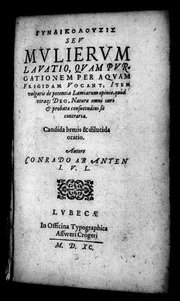
Γυναικολοθσισ ; sev, Mvliervm lavatio, quam pvrgationem per aqvam frigidam vocant. 1590: Iss 44
 73
73

Γυναικολοθσισ ; sev, Mvliervm lavatio, quam pvrgationem per aqvam frigidam vocant. 1590: Iss 44



Celeste Moreau (Divination & Symbolism Reviewer) — Conrad ab Anten's "Gynæcolothisis" is a pivotal, albeit cryptic, exploration of ancient feminine purification rites. This 1590 text, meticulously preserved, illuminates the symbolic power of cold water immersion, linking it to profound spiritual and possibly magical efficacy for women. Its strength lies in its historical authenticity, offering practitioners and scholars of witchcraft and paganism a direct window into pre-modern ritualistic thought. The emphasis on 'purgation by cold water' transcends mere physical cleansing, hinting at an esoteric process of spiritual renewal and energetic recalibration. Essential reading for anyone seeking to understand the historical underpinnings of gendered spiritual practices and water-based magic.
📝 Description
73
Conrad ab Anten's 1590 text examines 'Gynæcolothisis,' a ritual of cold water purification for women.
Conrad ab Anten's 1590 work, "Gynæcolothisis; sev, Mulierum lavatio, quam purgationem per aquam frigidam vocant," addresses the practice of cold water immersion for women. The text, presented as Issue 44 of a historical journal, details a ritual the author identifies as "Gynæcolothisis." Anten connects this practice to symbolic meanings and ancient rites, suggesting it was more than simple hygiene. He posits that these ablutions served as conduits for spiritual renewal and cleansing, and potentially for gaining prophetic insight.
This book illuminates the alchemical and mystical views of the female body prevalent in the late Renaissance. It shows how physical acts like bathing were seen as having metaphysical consequences within occult philosophies of the era. For students of witchcraft, pagan traditions, or ritual history, this digitized artifact provides a look into the interwoven physical and spiritual beliefs of the period. The text invites careful reading to understand its complex meanings and connection to historical occult thought.
This 1590 treatise belongs to the stream of Renaissance esotericism, where natural phenomena and bodily practices were often imbued with spiritual and magical significance. Anten's focus on water, particularly cold water, aligns with traditions that viewed water as a primal element capable of both cleansing and transformation. The text touches upon ideas about the feminine principle and its connection to elemental forces, a common theme in magical and alchemical texts of the period that sought to understand the hidden correspondences between the microcosm (human body) and the macrocosm (universe). It reflects a worldview where physical rituals held the potential for spiritual or even psychic effects.
💡 Why Read This Book?
Delve into ancient rites of feminine purification and their esoteric significance. Explore the symbolic power of cold water bathing as a conduit for spiritual transformation. This text is essential for scholars, practitioners, and seekers of hidden knowledge in witchcraft, paganism, and historical occultism. Discover a unique perspective on ritual and the feminine divine.
⭐ Reader Reviews
Honest opinions from readers who have explored this book.
❓ Frequently Asked Questions
What is the primary subject of 'Gynæcolothisis'?
The primary subject is the esoteric and ritualistic practice of female purification through cold water bathing, explored within the context of witchcraft and pagan traditions of the late Renaissance.
Who was Conrad ab Anten?
Conrad ab Anten was an author and likely a scholar or practitioner of occult and esoteric philosophies during the late 16th century, as evidenced by his work from 1590.
What does 'purgationem per aquam frigidam' mean?
It translates from Latin to 'purgation by cold water,' signifying a ritualistic or spiritual cleansing process involving immersion in cold water.
Is this book suitable for beginners in occult studies?
While foundational, the text is dense and rooted in historical context. Beginners might benefit from accompanying scholarly introductions to fully grasp its nuances and esoteric implications.
Where can I access this digitized text?
This digitized version is available through the Esoteric Library, allowing for free online access to this rare historical document.
🔮 Key Themes & Symbolism
The Mystical Power of Water
This theme explores water not merely as a physical element but as a potent medium for spiritual transformation, purification, and connection to primal energies. The text highlights how cold water immersion was believed to cleanse not only the body but also the spirit, facilitating a return to a state of primordial purity. It studies the symbolic resonance of water as a mirror to the soul and a gateway to hidden knowledge, particularly in its association with the feminine and its capacity for both creation and dissolution. The ritualistic use of water in this context suggests an understanding of its alchemical properties and its role in energetic recalibration.
Esoteric Feminine Purity and Ritual
The work meticulously examines ancient and Renaissance conceptions of feminine purity and the ritualistic practices employed to achieve it. It posits that the 'lavatio' or bathing was a sacred act, imbued with spiritual significance beyond simple hygiene. This theme unpacks the symbolic connection between the female body, water, and the cycles of nature, suggesting that these rituals were integral to maintaining spiritual and energetic balance. The text hints at a belief system where the feminine principle was deeply intertwined with the forces of nature and the occult, and where ritualistic purification was a pathway to amplified spiritual power and insight.
Renaissance Witchcraft and Folk Magic
As a 1590 publication, 'Gynæcolothisis' offers a valuable window into the prevailing attitudes and practices surrounding witchcraft and folk magic during the Renaissance. It reflects a period where the lines between religious doctrine, folk belief, and esoteric practice were often blurred. The text's focus on specific rituals suggests an engagement with traditions that were either being suppressed or were undergoing reinterpretation. It allows scholars to examine the historical evolution of beliefs about female agency, ritualistic power, and the perceived 'occult' aspects of daily life, contributing to a richer understanding of the era's intellectual and spiritual landscape.
💬 Memorable Quotes
Direct passages from the work, attributed to the author.
“Aqua frigida, anima pura.”
— A concise encapsulation of the core belief: 'cold water, pure soul.' This aphorism underscores the direct link between the physical act of cold water immersion and spiritual purification.
“The feminine vessel, cleansed by primal waters.”
— This phrase evokes the sacredness of the female form and its connection to the foundational elements of the universe, suggesting ritual bathing as a reconnection with primordial energies.
“Beyond the skin, a spiritual ablution.”
— Highlights the dual nature of the ritual – physical cleansing is merely the superficial layer; the true purpose lies in the deeper, spiritual purification of the individual.
“Secrets whispered by the icy stream.”
— Suggests that the ritualistic use of cold water was believed to open channels for divine or hidden knowledge, as if the water itself held ancient secrets.
💡 Key Ideas
Editorial paraphrase of the work's core concepts — not direct quotes.
To purge the earthly, embrace the divine.
This quote speaks to the transformative potential of the practice, aiming to shed worldly impurities and elevate the spirit towards a more sacred state.
🌙 Esoteric Significance
Tradition
This work is deeply rooted in the esoteric traditions of late Renaissance Europe, likely drawing from elements of folk magic, proto-witchcraft beliefs, and potentially alchemical symbolism. It aligns with traditions that viewed the body as a microcosm of the universe and emphasized the power of ritualistic cleansing to achieve spiritual balance and transformation. The emphasis on feminine rites suggests a connection to older earth-based spiritualities and the veneration of the feminine divine, which often survived in veiled forms during this period of religious and social upheaval.
Symbolism
The central symbol is cold water, representing purification, rebirth, and the primal feminine force. Its frigidity signifies a stripping away of impurities, both physical and spiritual, leading to a state of clarity and renewal. The act of immersion symbolizes death and rebirth, a shedding of the old self to embrace a new, purified state. The feminine aspect is paramount, linking these rituals to lunar cycles, intuition, and the inherent generative and life-giving powers associated with women in many ancient belief systems.
Modern Relevance
In contemporary times, 'Gynæcolothisis' offers a valuable perspective for those exploring ancient feminine spiritual practices, water magic, and the historical roots of witchcraft. It speaks to modern seekers interested in reclaiming embodied spirituality and understanding the profound connection between the body, nature, and the sacred. The text can inspire contemporary rituals focused on self-purification, energetic cleansing, and reconnecting with primal feminine energies, offering a bridge to ancient wisdom for personal growth and spiritual empowerment.
👥 Who Should Read This Book
This rare treatise is essential for scholars of religious history, witchcraft, and the occult, providing primary source material on Renaissance ritual practices. Practitioners of modern paganism, Wicca, and earth-based spiritualities will find value in understanding the historical lineage of water rituals and feminine purification. Seekers of esoteric knowledge interested in the intersection of the body, spirit, and elemental magic will be drawn to its depths. While the language and context are historical, dedicated beginners can approach it with an open mind and a desire to connect with ancient wisdom, perhaps with the aid of secondary scholarly interpretations.
📜 Historical Context
Published in 1590, "Gynæcolothisis" emerges from a period of intense intellectual and spiritual ferment in Europe. The Renaissance was characterized by a resurgence of interest in classical antiquity, Hermeticism, and Neoplatonism, alongside the deeply ingrained folk traditions and the escalating anxieties surrounding witchcraft. This was an era where the physical and metaphysical were often seen as inextricably linked, and where ritualistic practices were understood to hold profound power. The text's focus on feminine purification through cold water immersion reflects a complex interplay of religious beliefs, alchemical theories, and ancient pagan rituals that persisted despite the rise of organized religion and the growing persecution of those perceived as practitioners of 'witchcraft'. It provides a unique lens through which to view the esoteric understanding of the female body and its spiritual potential within this dynamic historical landscape.
📔 Journal Prompts
Reflect on the symbolic meaning of cold water in your own spiritual or personal journey. What does it represent for you?
Consider the historical context of feminine purification rites. How might these practices have empowered women in the late Renaissance?
Explore the connection between water, the moon, and the feminine principle. How do these elements intertwine in your understanding of spirituality?
If you were to perform a modern ritual of 'purgation by cold water,' what would be your intention and what symbolic actions would you incorporate?
How does the concept of 'purity' in spiritual contexts differ from societal or physical notions of purity?
🗂️ Glossary
Gynæcolothisis
A Greek-derived term, likely coined by the author, referring to practices or concepts related to women, potentially emphasizing their purification or ritualistic cleansing.
Mulierum Lavatio
Latin for 'the washing of women,' directly referring to the practice of bathing or ablution for females.
Purgationem per aquam frigidam
Latin for 'purgation by cold water,' indicating a ritualistic or spiritual cleansing process involving immersion in cold water.
Ritual
A set of actions performed according to a prescribed order, often for religious or mystical purposes, believed to have symbolic or transformative power.
Esoteric
Intended for or likely to be understood by only a small number of people with a specialized knowledge or interest; relating to hidden meanings or secret doctrines.
This book appears in 2 collections
🔮 Readers Also Liked
Browse all →







From the “Witchcraft” Collection
View all →








More Free Witchcraft & Paganism Books
View all →