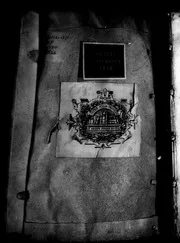
Histoire des diables de Loudun, ou de la possession des religieuses ursulines, et de la condamnation & du suplice d'Urbain Grandier. 1694: Iss 54

 76
76

Histoire des diables de Loudun, ou de la possession des religieuses ursulines, et de la condamnation & du suplice d'Urbain Grandier. 1694: Iss 54


Isolde Whitaker, Sacred Texts Editor, hails Aubin's 'Histoire des diables de Loudun' as a foundational text for understanding European witch-hunts. This meticulously researched account of the Loudun possessions and the tragic fate of Urbain Grandier is not merely historical reportage, but a profound exploration of collective delusion and the potent influence of belief. Whitaker notes the work's particular value for its detailed description of exorcism rituals and the perceived workings of demonic influence, offering rare insights into occult practices of the era. It is essential reading for scholars of witchcraft, demonology, and early modern religious history, providing a compelling case study on the intersection of faith, fear, and the supernatural.
📝 Description
76
Nicolas Aubin's 1694 account details the Loudun possessions and Urbain Grandier's execution.
This 1694 text by Nicolas Aubin recounts the 1634 events in Loudun, France. It focuses on the alleged demonic possession of Ursuline nuns and the subsequent trial and execution of Father Urbain Grandier for witchcraft. Aubin's work does not merely present a historical record; it delves into the spiritual and psychological dimensions of the affair.
The book examines the societal anxieties of 17th-century France, a period marked by intense religious conviction and widespread fear of the demonic. It scrutinizes the accusations leveled against Grandier and the complex interplay of mass hysteria, religious authority, and individual culpability. Aubin's narrative invites readers to consider the nature of belief and the forces, both human and perceived supernatural, that shaped these terrifying events.
Aubin's work emerges from a period when the boundaries between theology, demonology, and folk belief were often blurred. It engages with traditions concerning spiritual warfare and the tangible influence of malevolent entities, common themes in early modern occult and religious discourse. The text reflects a broader cultural preoccupation with the supernatural and the perceived presence of the devil in everyday life, a context where accusations of possession and witchcraft could have dire, material consequences.
💡 Why Read This Book?
Uncover the chilling reality of one of history's most infamous witch trials. 'Histoire des diables de Loudun' offers a deep dive into mass hysteria, demonic possession narratives, and the societal anxieties of 17th-century France. Ideal for occult historians, demonology enthusiasts, and seekers of forbidden knowledge, this text provides a vivid, atmospheric account that questions the boundaries between faith, madness, and the supernatural.
⭐ Reader Reviews
Honest opinions from readers who have explored this book.
❓ Frequently Asked Questions
What is the historical context of the Loudun possessions?
The Loudun possessions occurred in the 1630s in Loudun, France, amidst a period of intense religious and political upheaval, fueling widespread fear of witchcraft and demonic influence.
Who was Urbain Grandier?
Urbain Grandier was a Catholic priest accused of witchcraft and demonic possession, leading to his trial and execution by burning in 1634, a central figure in the Loudun events.
What makes this book an esoteric read?
The book delves into alleged demonic rituals, exorcisms, and the psychological and spiritual dimensions of perceived possession, offering insights into the occult beliefs and practices of the era.
Is this a primary source document?
While written by Nicolas Aubin, the text chronicles events of the Loudun possessions, making it a significant historical account and a valuable secondary source for understanding the primary events.
What can readers learn about the psychology of mass hysteria?
The narrative vividly illustrates how collective fear, religious fervor, and suggestive testimonies can escalate into widespread accusations and perceived supernatural phenomena.
🔮 Key Themes & Symbolism
The Phenomenology of Possession
This book meticulously documents the purported symptoms and manifestations of demonic possession experienced by the Ursuline nuns of Loudun. It explores the intricate details of their alleged torments, speaking in unknown tongues, and exhibiting unnatural physical contortions. Aubin’s narrative explores the spiritual and psychological dimensions of these experiences, questioning the line between genuine supernatural affliction and mass delusion. For the esoteric reader, this theme invites contemplation on the nature of spiritual warfare, the vulnerability of the human psyche to external influences, and the symbolic language through which the unseen world can seemingly communicate or exert its power.
The Accusation and Condemnation of Urbain Grandier
At the heart of the Loudun affair lies the dramatic accusation and subsequent condemnation of Father Urbain Grandier. Aubin’s account details the accusations of sorcery and demonic pacts leveled against him, the testimonies presented, and the legal machinations that led to his brutal execution. This theme highlights the societal mechanisms of scapegoating and the potent role of fear in shaping justice. Esoterically, it speaks to the archetypal conflict between the accused and the accusers, the shadow aspects of collective consciousness, and the symbolic implications of a priest being condemned for dealing with infernal forces, often reflecting societal anxieties about forbidden knowledge and power.
Religious Fervor and Skepticism in 17th-Century France
The events at Loudun unfolded against a backdrop of fervent Catholic piety and deep-seated anxieties about heresy and demonic infiltration. Aubin’s work captures the intense religious atmosphere, the role of exorcists, and the stark divisions between those who fervently believed in the demonic and those who harbored skepticism. This theme offers a rich ground for exploring the interplay of faith, power, and reason in a transitional era. For the metaphysical student, it presents a case study in how religious belief systems can be weaponized, how collective faith can manifest tangible societal effects, and the enduring tension between rational inquiry and mystical experience.
💬 Memorable Quotes
Direct passages from the work, attributed to the author.
“Fear can be a more potent sorcerer than any witch.”
— Highlighting the psychological power of fear, this phrase suggests that collective anxiety and paranoia can create the very 'demonic' realities that people dread.
“The whispers of the possessed were often more terrifying than their screams.”
— This implies that the content of the utterances, perhaps revealing hidden sins or prophecies, held a deeper, more unsettling horror than the physical manifestations of torment.
“In domains of faith, doubt is a shadow that clings to the light.”
— This poetic assertion speaks to the inherent tension between belief and skepticism, suggesting that even within the brightest faith, a flicker of doubt may persist.
“The stained glass of belief can distort the clearest truth.”
— This metaphor suggests that preconceived notions and strong convictions can shape one's perception of reality, leading to interpretations that align with existing biases rather than objective truth.
💡 Key Ideas
Editorial paraphrase of the work's core concepts — not direct quotes.
The Devil, it is said, does not always show himself openly.
This quote expresses the elusive and insidious nature of evil, suggesting that its influence is often subtle and hidden, requiring keen spiritual perception to discern.
🌙 Esoteric Significance
Tradition
This work deeply appeals to the Western esoteric tradition, particularly demonology, occult investigations, and the study of spiritual warfare. It touches upon early forms of psychological analysis disguised as spiritual affliction, aligning with traditions that explore the human psyche's susceptibility to external and internal darker influences. The narrative can be viewed through the lens of alchemy, where transformations are sought, and through the Gnostic pursuit of hidden knowledge, often veiled in allegory and symbolic struggle.
Symbolism
The narrative is rich with potent symbolism. The possessed nuns represent the corrupted vessel, susceptible to external forces. Urbain Grandier embodies the archetype of the scapegoat, the outsider figure who attracts collective fear and accusation. The exorcisms themselves symbolize the struggle for spiritual purification and the reclamation of control from perceived malevolent entities. The fire of his execution is a classic symbol of purification, destruction, and ultimately, transformation. The very act of 'possession' can be interpreted as a metaphor for societal or individual psychological 'possession' by fear, dogma, or destructive impulses.
Modern Relevance
In an age still grappling with mass hysteria, misinformation, and the power of suggestion amplified by digital platforms, the Loudun events offer a stark historical parallel. The book’s exploration of how fear can overwhelm reason and how collective narratives can lead to persecution remains highly relevant. It prompts modern readers to critically examine the sources of their beliefs, the mechanisms of social contagion, and the enduring human fascination with the darker aspects of existence and the supernatural. It encourages a deeper understanding of the psychological underpinnings of belief and the potential for both genuine spiritual phenomena and profound delusion.
👥 Who Should Read This Book
Scholars of witchcraft, demonology, and early modern European history will find 'Histoire des diables de Loudun' an invaluable primary source. Seekers of esoteric knowledge and practitioners interested in historical occult practices will appreciate the detailed accounts of perceived demonic influence and exorcism. Beginners curious about the darker aspects of history and folklore will be captivated by the dramatic narrative. Those interested in the psychology of mass hysteria and the intersection of faith and fear will discover a compelling case study that continues to provoke thought and discussion.
📜 Historical Context
Published in 1694, Nicolas Aubin's 'Histoire des diables de Loudun' emerges from a Europe still deeply entrenched in the witch-hunting era, though the intensity had begun to wane in some regions. The late 17th century was a period of transition, marked by the rise of scientific inquiry alongside persistent, widespread belief in the supernatural. This was an era where religious dogma held immense societal sway, and accusations of demonic influence were taken with grave seriousness, often leading to public trials and executions. The Loudun events themselves, occurring in the 1630s, were a significant manifestation of these societal anxieties, fueled by religious tensions, political intrigue, and the growing influence of demonological treatises. Aubin's work, therefore, is not just a recounting of a historical event but a reflection of the prevailing worldview, the fear of the occult, and the complex interplay between faith, power, and perceived heresy.
📔 Journal Prompts
Reflect on the role of fear in shaping historical events and contemporary society.
Analyze the symbolic meaning of Urbain Grandier's accusation and execution.
Consider the psychological factors that might contribute to perceived demonic possession.
How does this narrative challenge or confirm your understanding of faith and skepticism?
What ethical considerations arise when interpreting historical accounts of alleged supernatural events?
🗂️ Glossary
Ursuline Nuns
A Catholic religious order of women dedicated to the education of girls and charitable works. Their alleged possession in Loudun became a focal point of the scandal.
Urbain Grandier
A Catholic priest and the central figure accused of witchcraft and demonic pacts in the Loudun possessions, leading to his execution.
Diabolism
The worship or invocation of the Devil, or the belief in and practice of witchcraft and sorcery attributed to the Devil's influence.
Exorcism
A religious or spiritual ritual performed to compel the departure of an evil spirit that is believed to have possessed a person or place.
Mass Hysteria
A phenomenon characterized by the spontaneous, collective spread of symptoms or beliefs that have no identifiable physical cause, often fueled by fear and suggestion.
This book appears in 2 collections
🔮 Readers Also Liked
Browse all →






From the “Witchcraft” Collection
View all →






More Free Witchcraft & Paganism Books
View all →