Discovrs des sorciers. Tiré de quelques procez, faicts dez deux ans en ça à plusieurs de la mesme secte, en la terre de S. Oyan de Ioux, dicte de S. Claude au Comté de Bourgongne. ... 1603: Iss 134

 81
81

Discovrs des sorciers. Tiré de quelques procez, faicts dez deux ans en ça à plusieurs de la mesme secte, en la terre de S. Oyan de Ioux, dicte de S. Claude au Comté de Bourgongne. ... 1603: Iss 134



Henri Boguet's "Discovrs des sorciers" stands as a cornerstone in the study of early modern European witchcraft. Boguet, an eyewitness to the proceedings he chronicles, offers a rare, unvarnished perspective on the witch trials of Saint-Oyant de Joux. His meticulous, if chilling, catalog of accusations and confessions provides invaluable insight into the legal, social, and psychological mechanisms driving these persecutions. The text is essential for understanding the prevailing beliefs about diabolism, maleficium, and the perceived threats from the 'secte des sorciers.' While devoid of overt mystical advocacy, its stark portrayal of the era's fears and the manipulation of belief systems resonates deeply with students of occult history and the darker currents of human consciousness. A vital, albeit somber, read.
📝 Description
81
Henri Boguet compiled accounts of witchcraft trials in Burgundy between 1598 and 1600 for his 1603 "Discovrs des sorciers."
Henri Boguet, a magistrate in the County of Burgundy, wrote "Discovrs des sorciers" in 1603. The book details witch trials that occurred in the region between 1598 and 1600. Boguet based his work on actual legal proceedings, recording accusations and testimonies against individuals accused of witchcraft. He described the supposed rituals and practices attributed to these accused sorcerers.
The text provides a look into the societal anxieties and beliefs of the time. It covers alleged demonic pacts, nocturnal meetings, and supposed manipulations of natural forces. Boguet's account goes beyond a simple record of legal events; it examines the collective mindset during a period of intense superstition and fear. The book addresses the perceived thin boundary between the ordinary world and the supernatural, and how this perception influenced the community.
Published in 1603, Boguet's "Discovrs des sorciers" reflects a specific moment in early modern Europe's engagement with what was considered the occult. While not a grimoire or a theoretical treatise on magic, it documents the perceived reality of sorcery and demonic influence as understood by legal and religious authorities of the time. It is a primary source for understanding the practical application of demonology and the legal frameworks used to combat perceived witchcraft, situating it within the broader historical context of witch hunts and the anxieties surrounding supernatural claims.
💡 Why Read This Book?
Delve into the historical crucible of witchcraft accusations and explore the deep-seated fears that shaped early modern Europe. Boguet's "Discovrs" offers a rare, direct account of witch trials, revealing societal anxieties and the perceived mechanisms of dark magic. Essential for scholars of occult history, practitioners seeking to understand the roots of persecution, and anyone fascinated by the psychology of belief and fear.
⭐ Reader Reviews
Honest opinions from readers who have explored this book.
❓ Frequently Asked Questions
What is the primary focus of "Discovrs des sorciers"?
The book primarily focuses on the detailed accounts of witchcraft trials conducted in the region of Saint-Oyant de Joux, Burgundy, in the early 17th century. It chronicles accusations, testimonies, and legal procedures against individuals accused of sorcery.
Who was Henri Boguet?
Henri Boguet (d. 1619) was a magistrate and author who presided over and documented the witchcraft trials described in his book. He was a significant figure in the judicial persecution of alleged witches.
What is the historical significance of this text?
Its significance lies in providing a firsthand, detailed, and often grim account of witch trials from the perspective of the judiciary. It offers insights into the legal framework, the prevalent beliefs about witchcraft, and the social anxieties of the era.
Is this book suitable for beginners in witchcraft studies?
While not a practical guide, it offers crucial historical context for understanding the persecution and societal perceptions of witchcraft. Beginners can gain a foundational understanding of the historical challenges faced by those accused of such practices.
What kind of language does Boguet use?
Boguet's language is that of a legal document from the early 17th century, characterized by formal, descriptive, and often stark prose. While in French originally, its English translation aims for clarity while retaining the historical tone.
🔮 Key Themes & Symbolism
The Anatomy of Accusation
This theme studies the granular details of how accusations of witchcraft were formulated and perpetuated. Boguet's work meticulously dissects the testimonies, the methods of interrogation, and the societal pressures that led to individuals being branded as practitioners of dark arts. It examines the archetypal elements of fear and suspicion that fueled these charges, revealing how collective anxieties could manifest in targeted persecution. The 'Discovrs' serves as a stark reminder of how easily belief systems can be weaponized against individuals, particularly those who deviate from societal norms or are perceived as vulnerable.
Perceived Demonic Influence and Pactology
A central pillar of Boguet's account is the pervasive belief in demonic pacts and the active influence of Satan in the lives of sorcerers. The text describes alleged rituals and confessions that detail intimate relationships with infernal entities, the signing of pacts, and the acquisition of supernatural powers through unholy means. This theme explores the theological underpinnings of witchcraft accusations, where any deviation from divine order was attributed to diabolical intervention. It illuminates a worldview where the supernatural was not only real but actively malevolent, shaping the legal and social responses to perceived threats.
Societal Fears and Mass Hysteria
The "Discovrs des sorciers" serves as a potent case study in societal fears and the mechanisms of mass hysteria during the early modern period. Boguet's detailed reporting from Saint-Oyant de Joux illustrates how localized anxieties—whether related to crop failure, illness, or social unrest—could be channeled into widespread panic and the scapegoating of a marginalized group. The text provides a chilling look at how fear can override reason, leading to widespread accusations and convictions based on flimsy evidence or coerced confessions. It highlights the fragility of social order when confronted by perceived supernatural threats.
💬 Memorable Quotes
Direct passages from the work, attributed to the author.
“They confessed to having made pacts with the devil.”
— This stark confession points to the core accusation of sorcery: a betrayal of divine covenant for forbidden power, central to the era's demonological framework.
“And they were seen to fly through the air.”
— Illustrates the fantastical elements attributed to sorcerers, reflecting a belief in supernatural locomotion and the perceived ability to transcend natural laws.
“The Devil appeared to them in various shapes.”
— Highlights the shape-shifting nature of the adversary in folklore, a common trope used to explain the elusive and terrifying presence of evil.
“They admitted to attending the Sabbat.”
— Refers to the mythical midnight gatherings of witches, a key tenet of the 'witchcraft' doctrine that fueled widespread fear and persecution.
“And casting harmful spells upon their neighbours.”
— Captures the essence of maleficium, the belief that witches used their powers for malevolent purposes, causing harm and misfortune.
🌙 Esoteric Significance
Tradition
While Boguet's work is primarily a historical record of legal proceedings rather than an esoteric grimoire, its significance to esoteric traditions lies in its depiction of the perceived mechanisms of 'dark magic' and demonic influence. It provides a crucial historical lens through which later occultists and scholars could examine the roots of demonology, pactology, and the social construction of the 'witch.' It serves as an artifact of a time when the boundaries between folk magic, heresy, and active diabolism were blurred, offering insight into the cultural anxieties that shaped beliefs about forbidden knowledge and power.
Symbolism
The symbolism in Boguet's "Discovrs" is largely derived from the demonological frameworks of the era. Key symbols include the Devil himself, often appearing in animalistic or anthropomorphic forms, representing temptation and corruption. The Sabbat symbolizes a perversion of sacred rites, a gathering of the profane. The act of making a pact symbolizes a Faustian bargain, the ultimate betrayal of spiritual allegiance for worldly or forbidden gains. Accusations of flying, transmuting elements, and causing maleficium represent the symbolic disruption of natural and divine order, a manifestation of chaos and malevolence.
Modern Relevance
In the modern era, Boguet's "Discovrs des sorciers" remains profoundly relevant for understanding the persistent human tendencies towards scapegoating, mass hysteria, and the fear of the 'other.' It offers a historical parallel to contemporary societal anxieties and the spread of misinformation, demonstrating how fear can be amplified and directed. For practitioners and scholars of esoteric paths, it provides critical context for the historical persecution of those who engaged in unorthodox practices, highlighting the importance of critical thinking, empathy, and the need to distinguish between historical belief systems and actual magical efficacy. It serves as a cautionary tale about the dangers of unchecked fear and dogma.
👥 Who Should Read This Book
This text is essential for historians of early modern Europe, particularly those specializing in religious history, legal history, and the history of witchcraft. Scholars of folklore and comparative religion will find invaluable material on the evolution of demonological beliefs and ritualistic practices. Occult practitioners and students of esoteric traditions seeking a deep understanding of the historical persecution and societal perception of witchcraft will benefit immensely. Additionally, those interested in the psychology of fear, mass hysteria, and the social construction of deviance will find this a compelling and sobering read. It is not for the faint of heart, but for those seeking rigorous historical context.
📜 Historical Context
Published in 1603, Henri Boguet's "Discovrs des sorciers" emerges from a Europe deeply entrenched in the grip of witch hunts. This period, particularly the late 16th and early 17th centuries, witnessed an intensification of demonological anxieties across the continent. Influenced by seminal texts like the Malleus Maleficarum, judicial systems and popular imagination were saturated with the concept of a vast diabolical conspiracy. Boguet, a magistrate, offers a unique perspective from within the legal apparatus tasked with eradicating this perceived threat. His detailed accounts from the County of Burgundy reflect the prevailing intellectual climate, where theological dogma, legal precedent, and popular superstition converged to create an atmosphere of pervasive fear. The trials he documents were not isolated incidents but part of a broader, systemic phenomenon that would continue to plague Europe for decades, profoundly shaping its social, religious, and psychological landscape.
📔 Journal Prompts
Reflect on a time when societal fear or suspicion led to the unfair judgment of an individual or group. How does Boguet's account resonate with this experience?
Consider the 'demonic pact' as a symbolic representation of seeking forbidden knowledge or power. What are modern equivalents of such 'pacts' and their potential consequences?
Analyze the role of testimony and confession in the witch trials described. How does this compare to the reliability of information and 'confessions' in contemporary media?
Imagine you are a magistrate in 17th-century Burgundy. What ethical dilemmas would you face when presiding over these trials, based on Boguet's descriptions?
How do the fears and anxieties depicted in 'Discovrs des sorciers' manifest, in different forms, in contemporary society? What are the modern 'witches' or scapegoats?
🗂️ Glossary
Secte des sorciers
Literally 'sect of sorcerers,' referring to the perceived organized group or community of individuals believed to be engaged in witchcraft and diabolical practices.
Maleficium
The Latin term for harmful magic or witchcraft, the act of causing damage, illness, or misfortune through supernatural means.
Diabolical pact
A supernatural agreement, often in exchange for power or knowledge, between an individual and the Devil or other demonic entities.
Sabbat
In folklore and demonology, a nocturnal meeting of witches, often described as a perverse ritual gathering presided over by the Devil.
Malleus Maleficarum
Latin for 'Hammer of Witches,' a notorious treatise on the prosecution of witches, first published in 1487, which heavily influenced witch trials across Europe.
This book appears in 2 collections
🔮 Readers Also Liked
Browse all →








More by BOGUET, Henri, d. 1619.
All books →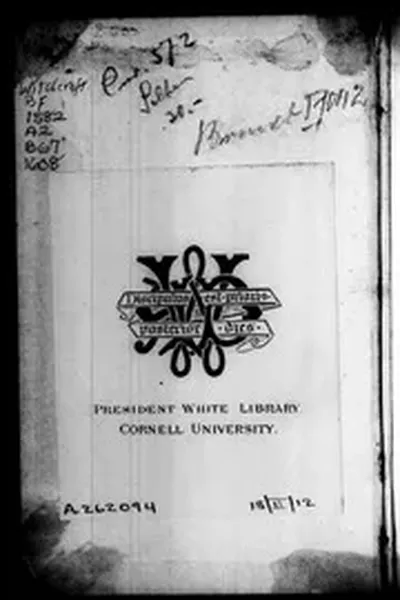

From the “Witchcraft” Collection
View all →





More Free Witchcraft & Paganism Books
View all →