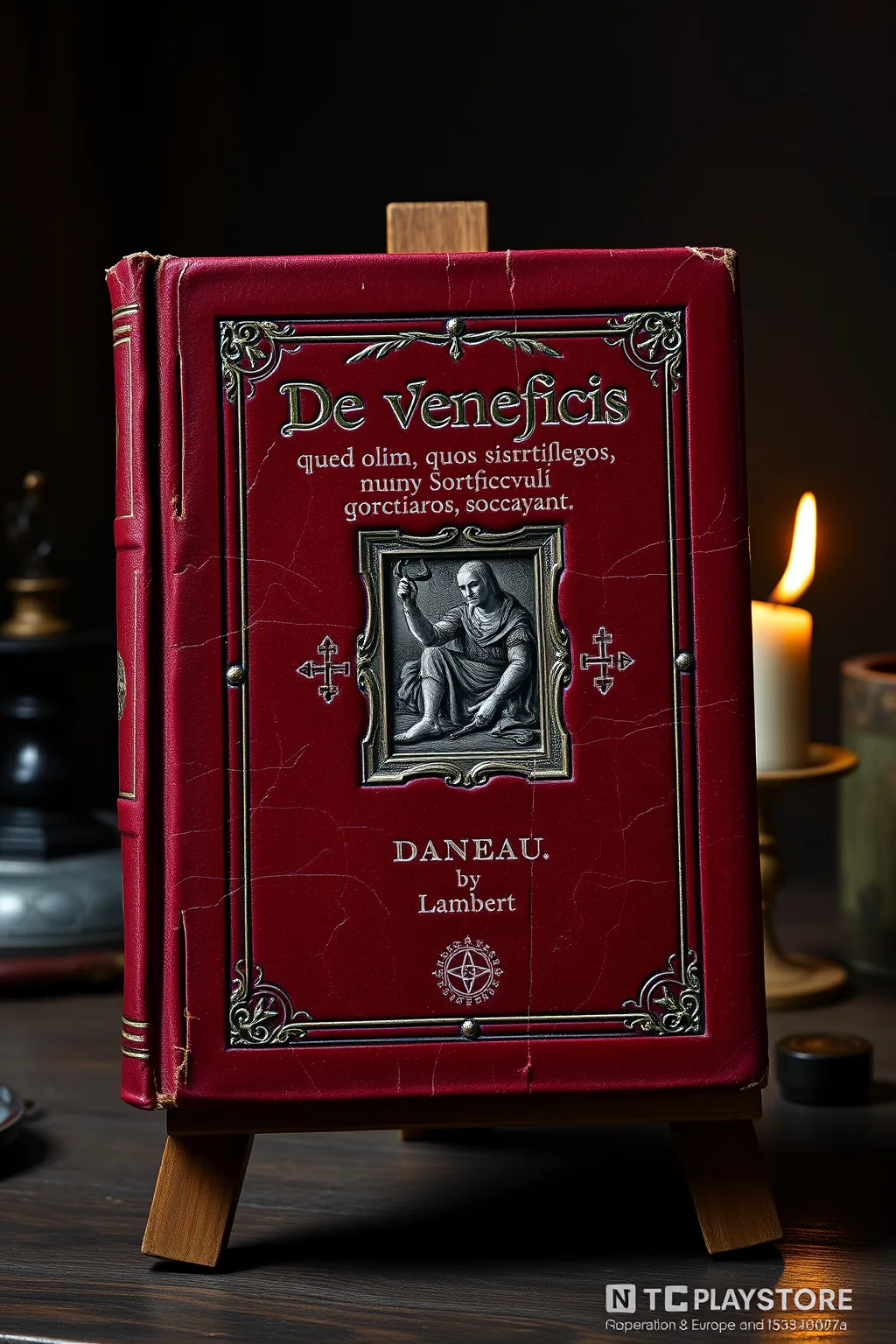
De veneficis, quos olim sortilegos, nunc autem vulgò sortiarios vocant, dialogvs: in quo quae de hoc argumento quaeri solent, breuiter & commodè explicantur. 1574: Iss 241
 81
81

De veneficis, quos olim sortilegos, nunc autem vulgò sortiarios vocant, dialogvs: in quo quae de hoc argumento quaeri solent, breuiter & commodè explicantur. 1574: Iss 241


Celeste Moreau (Divination & Symbolism Reviewer) — Lambert Daneau's "De veneficis" stands as a crucial, albeit somber, artifact from the crucible of early modern occult inquiry. This dialogue meticulously unpacks the prevailing theological and societal views on witchcraft, offering invaluable insight into the perceived mechanisms of sorcery and divination of the era. Daneau's methodical approach, though rooted in theological dogma, reveals an underlying fascination with the very phenomena he seeks to condemn. Its strength lies in its comprehensive, albeit biased, cataloging of beliefs and practices. Recommended for scholars of religious history, demonology, and those seeking to understand the intellectual underpinnings of witch trials, this text offers a window into a world where the veil between the mundane and the mystical was intensely scrutinized.
📝 Description
81
Lambert Daneau's 1574 dialogue, 'De veneficis,' examines witchcraft and sorcery as understood in the late Renaissance.
Lambert Daneau's 1574 work, 'De veneficis, quos olim sortilegos, nunc autem vulgò sortiarios vocant, dialogvs,' addresses the terminology and practices associated with witchcraft and sorcery. The dialogue distinguishes between the older term 'sortilegi' and the contemporary 'sortiarii,' which Daneau uses to refer to witches and sorcerers. He discusses theological and philosophical issues related to these figures, reflecting the concerns of the late 16th century.
The book considers the nature of hidden knowledge, the perceived division between sacred and profane powers, and the role of human will when confronting supposed supernatural influences. It offers a perspective on the historical development of ideas about witchcraft and its societal impact. This text is relevant for understanding early modern discourse on the subject.
Published in 1574, Daneau's dialogue engages with the burgeoning discourse on witchcraft that characterized the late Renaissance in Europe. This period saw increased scrutiny of individuals accused of magical practices, often framed within theological debates about good and evil. Daneau's work fits within a tradition of theological and legal treatises that sought to define, condemn, and understand the perceived threat of witchcraft, contributing to the intellectual climate that would later fuel widespread accusations.
💡 Why Read This Book?
Dive into the historical discourse surrounding witchcraft and sorcery in the 16th century. This book illuminates the theological and societal anxieties of the era, offering a foundational understanding of how 'magic' was perceived and debated. It's essential for scholars, practitioners of historical magic, and anyone fascinated by the evolution of occult thought and its intersection with religion.
⭐ Reader Reviews
Honest opinions from readers who have explored this book.
❓ Frequently Asked Questions
What is the primary focus of this dialogue?
The dialogue primarily focuses on defining and discussing the practices and beliefs surrounding individuals identified as 'sortilegi' (sorcerers) and 'sortiarii' (witches) in 16th-century Europe, examining their perceived relationship with the divine and the diabolical.
Who was Lambert Daneau?
Lambert Daneau (ca. 1530-1595?) was a prominent French theologian and jurist, known for his significant contributions to Calvinist theology and his writings on legal and moral matters, including this treatise on witchcraft.
What does 'sortilegi' and 'sortiarii' refer to?
'Sortilegi' historically referred to those who practiced divination or sorcery, often through casting lots. 'Sortiarii' became the more common term for witches and sorcerers during Daneau's time, implying a broader and more sinister association with malevolent magic.
Is this book a practical guide to witchcraft?
No, this is not a practical guide. It is a theological and philosophical discussion intended to explain and critique the beliefs and practices associated with witchcraft from a 16th-century religious perspective.
What is the historical significance of this text?
Its historical significance lies in its documentation of early modern attitudes towards witchcraft, its contribution to the theological debates surrounding magic, and its influence on subsequent demonological literature.
🔮 Key Themes & Symbolism
Theology of Sorcery
This theme explores the theological framework through which 16th-century thinkers like Daneau grappled with the concept of witchcraft. It examines how divine authority, demonic influence, and human agency were understood in relation to magical practices. The text dissects the arguments that sought to categorize and condemn sorcery, often through the lens of heresy or pacts with infernal powers. Understanding this theological perspective is crucial for grasping the societal and legal ramifications of accusations of witchcraft during this period and the intellectual landscape that shaped such beliefs.
The Evolution of Terminology in Occult Studies
Daneau's dialogue highlights a fascinating linguistic shift, moving from the ancient term 'sortilegi' to the more contemporary 'sortiarii.' This evolution reflects changing perceptions and the increasing criminalization of individuals accused of magical arts. The text implicitly traces how the understanding and fear of practitioners of the hidden arts transformed over time, becoming associated with darker practices and societal threats. This linguistic analysis offers a subtle yet useful insights into the cultural and historical context surrounding the study and persecution of those perceived to wield supernatural power.
Divination and Forbidden Knowledge
The treatise engages directly with the practice of divination, exploring its perceived origins and its place within the moral and theological order. Daneau scrutinizes methods of seeking knowledge beyond conventional means, questioning their legitimacy and their potential to lead individuals astray. This exploration touches upon the perennial human desire for foresight and understanding, as well as the religious and philosophical objections to such pursuits. The text serves as a historical record of the anxieties surrounding forbidden knowledge and the boundaries established by established authorities.
💬 Memorable Quotes
Direct passages from the work, attributed to the author.
“quae de hoc argumento quaeri solent, breuiter & commodè explicantur.”
— This phrase, meaning 'what is usually asked about this subject, is explained briefly and conveniently,' underscores the text's aim to provide a concise yet comprehensive overview of complex questions surrounding sorcery for its contemporary audience.
“olim sortilegos, nunc autem vulgò sortiarios vocant.”
— Translating to 'once called sorcerers, but now commonly called witches,' this highlights the semantic shift and evolving perception of individuals engaged in magical practices during the 16th century.
“De veneficis...”
— Meaning 'Concerning sorceresses/poisoners,' this opening sets a direct and unambiguous tone for the treatise, immediately signaling its focus on those perceived to wield harmful or illicit powers.
“dialogvs”
— The designation 'dialogue' suggests an interactive, conversational approach to exploring complex theological and philosophical issues, aiming to engage the reader in the discourse rather than presenting a purely didactic text.
“in quo quae de hoc argumento quaeri solent...”
— This phrase emphasizes the text's intent to address common inquiries and controversies surrounding witchcraft, positioning it as an authoritative response to the pressing questions of its time.
🌙 Esoteric Significance
Tradition
This text is deeply rooted in the theological and philosophical traditions of early modern Protestantism, particularly Calvinism. While not a practitioner's manual, its meticulous examination of sorcery and divination reflects a scholastic approach to understanding perceived supernatural phenomena through a religious lens. It engages with debates concerning divine omnipotence, demonic agency, and the boundaries of human knowledge, aligning with the broader intellectual currents of scholasticism adapted to the Reformation era.
Symbolism
The dialogue implicitly engages with symbolic interpretations of witchcraft, though often from a condemnatory standpoint. Terms like 'sortilegi' and 'sortiarii' themselves carry symbolic weight, evolving to represent not just specific practices but broader societal fears and accusations. The text's dissection of purported pacts with the devil, the use of charms, and the nature of magical efficacy can be seen as an attempt to deconstruct and expose the symbolic language of witchcraft as understood by its accusers.
Modern Relevance
In contemporary times, Daneau's work offers invaluable historical perspective on the evolution of occult studies and the societal construction of 'witchcraft.' It allows modern scholars, practitioners, and enthusiasts to understand the historical context and theological frameworks that shaped early modern views on magic, divination, and the occult. By examining these historical anxieties and definitions, we gain a richer appreciation for the diverse paths esoteric traditions have taken and the enduring human fascination with the unknown.
👥 Who Should Read This Book
This text is essential for scholars of religious history, demonology, and the history of magic. It is highly recommended for those interested in the intellectual and social history of the 16th century, particularly its theological debates. Practitioners of historical witchcraft reconstruction or those studying divination techniques from a historical perspective will find it a foundational document. Beginners curious about the historical perception of witchcraft may find it dense but rewarding, offering a direct window into the mindset of the era. Seekers of esoteric knowledge will appreciate its insight into how the 'occult' was defined and debated by established authorities.
📜 Historical Context
Published in 1574, Lambert Daneau's "De veneficis" emerged during a period of intense religious upheaval and societal anxiety in Europe. The Reformation was well underway, fracturing religious unity and fueling theological debates that often intersected with perceptions of the supernatural. The late 16th century also witnessed a significant escalation in witch trials across the continent. This era was marked by a deep-seated fear of demonic influence and a desire to maintain social and religious order, often leading to the persecution of those accused of witchcraft. Daneau's work reflects this climate, contributing to the demonological literature that sought to define, condemn, and eradicate perceived malevolent magic. It stands as a proof of the intellectual efforts to understand and control forces deemed threatening to both the individual soul and the societal fabric.
📔 Journal Prompts
How did the theological understanding of the divine and the demonic influence the perception of witchcraft in the 16th century?
Analyze the shift in terminology from 'sortilegi' to 'sortiarii' and its implications for societal views on magic.
In what ways does Daneau's dialogue reflect the anxieties and societal pressures of its historical period?
Compare and contrast the theological arguments presented in this text with modern esoteric interpretations of magic and divination.
Consider the role of fear and control in the discourse surrounding forbidden knowledge as depicted in this dialogue.
🗂️ Glossary
Veneficis
Latin term often translated as 'sorceresses' or 'poisoners,' referring to women accused of practicing harmful magic or using toxic substances.
Sortilegos
An older Latin term for practitioners of magic, particularly those who used divination by casting lots or drawing straws.
Sortiarios
A more common term in Daneau's era, broadly referring to witches and sorcerers, often implying a more sinister or demonic association than 'sortilegos'.
Dialogvs
Latin for 'dialogue,' indicating a literary form where characters engage in conversation to explore a subject.
Argumento
Latin for 'subject' or 'topic,' referring to the central theme or matter being discussed in the dialogue.
This book appears in 2 collections
🔮 Readers Also Liked
Browse all →









More by DANEAU, Lambert, ca. 1530-1595?
All books →
From the “Witchcraft” Collection
View all →








More Free Witchcraft & Paganism Books
View all →