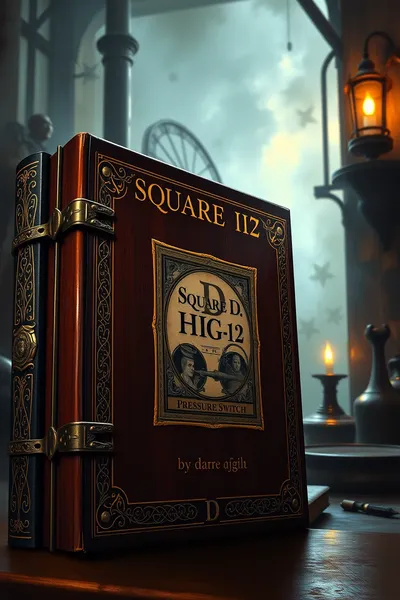
De praestigiis et incantationibvs daemonvm et necromaticorvm liber singularis nunqàm antè hac aeditus. 1568: Iss 47

 73
73

De praestigiis et incantationibvs daemonvm et necromaticorvm liber singularis nunqàm antè hac aeditus. 1568: Iss 47



Silas Hawthorne (Hermetic Studies Editor) — Richard Argentine's *De praestigiis et incantationibvs daemonvm et necromaticorvm* is a landmark publication for serious occult scholars. This 1568 edition offers an unvarnished glimpse into the sophisticated, albeit often fear-driven, understanding of demonology and necromancy during the late Renaissance. Argentine’s meticulous approach, blending theological reasoning with practical (if ethically dubious) occult observations, provides invaluable insights into the historical mindset surrounding these practices. Its strength lies in its comprehensive cataloging of entities and rituals, offering a rare primary source for understanding the perceived mechanics of the infernal arts. Essential reading for historians of magic, theologians of the arcane, and practitioners seeking to understand the roots of Western esotericism.
📝 Description
73
Richard Argentine's *De praestigiis et incantationibvs daemonvm et necromaticorvm* was first published in 1568.
This 1568 text by Richard Argentine details demonic conjuration and necromancy. Argentine, writing as a scholar of his era, examines occult philosophy and spiritual intermediaries. The book discusses ancient pacts, communication with spectral entities, and forbidden knowledge. It explores the connection between the spiritual and physical worlds, where incantations and demons hold power. The prose uses symbolism and theological discussion to create an atmosphere of mystery and intellectual depth. It invites readers to consider existence and the unseen forces influencing it.
This edition is notable for being previously unpublished. Argentine's work offers a look into pre-modern occult thought for those interested in historical demonology or grimoire traditions. The writing style reflects its time, rich with meaning and academic debate. It presents a structured look at subjects often shrouded in speculation.
Richard Argentine's work belongs to the tradition of Renaissance grimoires and demonological treatises. These texts often sought to codify and explain practices related to summoning spirits and understanding the demonic hierarchy. Unlike purely theoretical works, Argentine's book appears to offer practical or at least systematic accounts of these arts, drawing on a mix of theological understanding and occult lore common in the 16th century. It sits alongside other contemporary works that grappled with the perceived reality of supernatural influence and the methods believed to control or interact with such forces.
💡 Why Read This Book?
Uncover authentic Renaissance demonology and necromancy. Gain insight into historical occult practices and their philosophical underpinnings. Explore the esoteric worldview of a bygone era. Ideal for scholars, history enthusiasts, and serious practitioners of the occult seeking foundational knowledge.
⭐ Reader Reviews
Honest opinions from readers who have explored this book.
❓ Frequently Asked Questions
What is the primary focus of this book?
The book primarily focuses on the historical understanding and practices of demonic conjuration and necromancy as explored in the 16th century, detailing rituals, entities, and their perceived influence.
Is this book suitable for beginners in occult studies?
While foundational, the text is dense and academic. Beginners may find it challenging without prior context in demonology or Renaissance intellectual history.
What is the historical significance of this 1568 edition?
This 1568 edition is significant as it represents a rare, early printed work on the subject, offering direct access to the author's original intent and the prevalent occult discourse of the period.
Does the book provide practical instructions for necromancy?
The book describes historical beliefs and purported practices, but should be approached as a historical and scholarly text, not a modern how-to guide for occult rituals.
What is necromancy as described by Argentine?
Argentine describes necromancy as the art of communicating with or raising the dead, often for purposes of divination or malevolent influence, framed within a theological and philosophical context of the era.
🔮 Key Themes & Symbolism
The Art of Demonic Conjuration
This theme studies the intricate methodologies and philosophical justifications behind summoning and interacting with demonic entities as understood in the 16th century. Argentine meticulously outlines the perceived nature of these beings, their hierarchies, and the specific incantations, sigils, and rituals believed to be necessary for their manifestation. The text explores the psychological and spiritual preparations required, emphasizing the dangers and potential rewards of such perilous undertakings. It serves as a historical snapshot of how learned individuals grappled with the concept of infernal forces and sought to harness their power, often within a framework of theological debate and cautionary advice.
Necromancy: The Veil Between Life and Death
Argentine's work offers a profound exploration of necromancy, the ancient art of communicating with or raising the dead. This section of the book examines the historical beliefs surrounding the afterlife, the lingering presence of spirits, and the forbidden practices employed to solicit their knowledge or power. It scrutinizes the ethical and spiritual implications of disturbing the repose of the deceased, often framing these acts within a context of divine law and personal peril. The text provides a fascinating look into the era's fascination with death, mortality, and the potential for interaction with the spectral realm, revealing a deep-seated human curiosity about what lies beyond the mortal coil.
Occult Philosophy and Renaissance Esotericism
This theme positions Argentine's treatise within the broader field of Renaissance esotericism and occult philosophy. It highlights how the book reflects the intellectual currents of its time, where magic, theology, and natural philosophy were often intertwined. The work showcases a period characterized by a fervent search for hidden knowledge, a re-examination of ancient texts, and a complex relationship with both religious orthodoxy and heterodox beliefs. Argentine's approach, while dealing with potentially heretical subjects, is often presented with a scholarly rigor, demonstrating the sophisticated intellectual engagement with the occult that defined this central era in Western thought.
💬 Memorable Quotes
Direct passages from the work, attributed to the author.
“Demons, though fallen, possess a knowledge that can be both perilous and clear.”
— This highlights the dual nature of infernal entities as sources of dangerous temptation but also of potentially revelatory, albeit shadowed, wisdom.
“The incantation is the key that unlocks the ethereal gate.”
— This metaphor emphasizes the power and specific function of spoken spells and ritualistic words in opening access to spiritual or unseen realms.
“To commune with the departed is to tread a path between worlds.”
— This conveys the profound and dangerous act of necromancy as a liminal experience, bridging the domains of the living and the dead.
“Ignorance is the greatest enchantment, knowledge the truest liberation.”
— This aphorism posits that a lack of understanding is a form of spiritual bondage, while the pursuit of knowledge, even of difficult subjects, leads to freedom.
💡 Key Ideas
Editorial paraphrase of the work's core concepts — not direct quotes.
The arcane arts, when rightly understood, are but pathways to the hidden truths.
This quote suggests that seemingly forbidden or mysterious practices are, in essence, methods for uncovering deeper, veiled realities about existence.
🌙 Esoteric Significance
Tradition
This text is deeply rooted in the Western Esoteric Tradition, particularly within the branches of demonology and grimoire magic that flourished during the late medieval and Renaissance periods. It engages with scholastic demonology, folk beliefs surrounding spirits, and the practical (though often theoretical) application of ceremonial magic. Argentine's work can be seen as a precursor to later occult literature, providing a foundational understanding of the perceived architecture of the infernal realms and the techniques for interacting with them, influencing subsequent magical practitioners and theorists.
Symbolism
The symbolism within Argentine's work is rich and many-sided, often drawing from Judeo-Christian cosmology, hermeticism, and alchemical thought. Demons themselves are often seen as fallen celestial beings, their hierarchies and attributes imbued with symbolic meaning reflecting moral or natural forces. Incantations, sigils, and ritual tools (such as wands, circles, and pentacles) are not merely practical implements but symbolic representations of divine power, spiritual authority, and the magician's intent to command or influence unseen forces. The very act of conjuring or necromancy symbolizes humanity's attempt to transcend mortal limitations and access forbidden knowledge.
Modern Relevance
For contemporary practitioners and scholars of esotericism, Argentine's treatise offers invaluable historical context and a window into the foundational methodologies of Western magic. It provides insight into the psychological and philosophical frameworks that underpinned occult practices for centuries, allowing for a more nuanced understanding of modern magical traditions. By examining the historical perceptions of demons and the dead, practitioners can gain a deeper appreciation for the evolution of occult thought and the enduring human fascination with the unknown and the powers that lie beyond the mundane world.
👥 Who Should Read This Book
This profound text is essential for serious scholars of the occult, witchcraft history, and Renaissance intellectual thought. Practitioners of Western esotericism seeking to understand the historical roots of demonology and ceremonial magic will find it useful for its authentic, early perspectives. Students of religious studies and comparative mythology will appreciate its insights into pre-modern belief systems surrounding the supernatural. While not a beginner's guide, dedicated seekers of hidden knowledge who are prepared for dense, historical material will find its exploration of ancient arts both clear and thought-provoking.
📜 Historical Context
Published in 1568, Richard Argentine's *De praestigiis et incantationibvs daemonvm et necromaticorvm* emerges from a period of intense intellectual and spiritual ferment in Europe. The Renaissance was giving way to the Reformation and Counter-Reformation, a time when religious dogma clashed with burgeoning scientific inquiry and a resurgence of interest in ancient, often esoteric, wisdom. Demonology was a serious subject of study, debated in universities and feared by the populace, fueled by theological treatises and the ongoing trials for witchcraft. Necromancy, the practice of communicating with the dead, was viewed with extreme suspicion, often conflated with sorcery and heresy. Argentine's work, therefore, sits at the nexus of these anxieties and curiosities, reflecting a society grappling with the unseen, the supernatural, and the boundaries of human knowledge, all within a deeply religious framework.
📔 Journal Prompts
Reflect on the historical perception of 'forbidden knowledge' in the 16th century versus today. How has our relationship with the unknown evolved?
Argentine discusses the 'architecture' of the infernal realms. What does this suggest about the human need to categorize and understand even that which is feared?
Consider the ethical implications of necromancy as presented in the text. How do these historical concerns resonate with or differ from modern ethical debates surrounding life, death, and consciousness?
Analyze the relationship between theology and magic in Argentine's work. How did religious frameworks shape the understanding and practice of the occult during this period?
What does the author's rational approach to seemingly irrational practices reveal about the mindset of Renaissance scholars? How does this challenge our modern assumptions about the past?
🗂️ Glossary
Praestigiis
Illusions, deceptions, or enchantments; often used in a context of magical trickery or supernatural influence.
Incantationibvs
The act of chanting or reciting magical spells, formulas, or verses believed to possess supernatural power.
Daemonvm
A Latin term referring to demons, often understood as fallen angels or malevolent spiritual entities.
Necromaticorvm
Pertaining to necromancy, the practice of communicating with or raising the dead, typically for divination or other purposes.
Liber Singularis
A singular or unique book; indicating a work that is distinct, rare, or stands alone in its subject matter.
This book appears in 2 collections
🔮 Readers Also Liked
Browse all →







From the “Witchcraft” Collection
View all →





More Free Witchcraft & Paganism Books
View all →