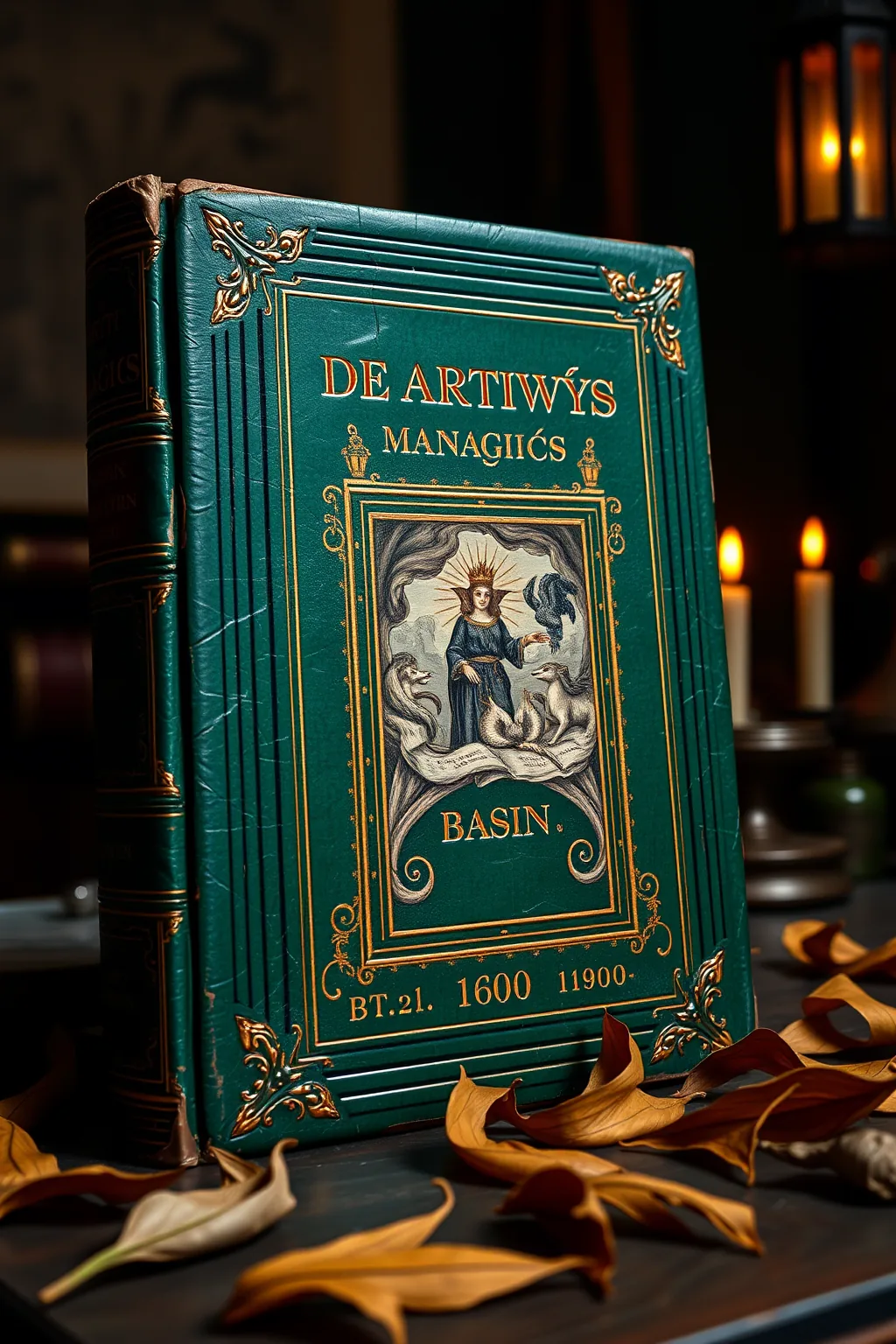
De artibvs magicis ac magorvm maleficiis opvs praeclaris- simvm. 1600: Iss 61
 74
74

De artibvs magicis ac magorvm maleficiis opvs praeclaris- simvm. 1600: Iss 61



Celeste Moreau (Divination & Symbolism Reviewer) — Bernardo Basin's "De Artibus Magicis ac Magorum Maleficiis" is a foundational text for anyone serious about understanding the historical landscape of European occultism. Basin’s meticulous examination of magical arts and witchcraft offers invaluable insights into the period's anxieties and beliefs surrounding unseen forces. The work is characterized by its systematic approach, dissecting complex theories with an intellectual rigor that still resonates. Its strength lies in its detailed descriptions of practices and the societal fears they engendered, providing a rich tapestry for scholars of demonology and historical magic. This book is particularly suited for advanced students and researchers seeking to grasp the nuances of early modern magical discourse.
📝 Description
74
Bernardo Basin's "De Artibus Magicis ac Magorum Maleficiis Opus Praeclarissimum" was published around 1600.
This book, authored by Bernardo Basin between roughly 1445 and 1500, examines the practices and beliefs surrounding magic and sorcery. Basin addresses both the theoretical aspects and the fears associated with occult arts. He discusses the language and symbolism used in magical traditions and places these within their historical and philosophical settings.
The work considers witchcraft and sorcery, portraying a worldview where the boundaries between the physical and spiritual were permeable. It suggests that unseen powers influenced human events. The text aims to reveal insights into spiritual authority, celestial alignments, and the human mind's connection to the supernatural. It is useful for understanding the development of esoteric ideas and the lasting interest in the unknown.
Published near the turn of the 17th century, Basin's work belongs to a European tradition of demonology and magical theory that flourished in the late medieval and early Renaissance periods. It engages with debates common at the time regarding the nature of magic, distinguishing between natural, demonic, and divine forms. The text reflects anxieties about heresy and the perceived threats posed by practitioners of forbidden arts, a concern that shaped intellectual and social discourse.
💡 Why Read This Book?
Uncover the historical genesis of witchcraft lore and magical theory. This book offers a rare window into the minds of those who studied and feared the arcane arts in 1600. Ideal for scholars of esotericism, historians of magic, and practitioners seeking to understand the roots of their disciplines. It provides crucial context for the evolution of occult thought.
⭐ Reader Reviews
Honest opinions from readers who have explored this book.
❓ Frequently Asked Questions
What is the primary focus of this book?
The book primarily focuses on the historical understanding and categorization of magical arts and the alleged malevolent practices of sorcerers during the late 16th century, examining both theory and societal perception.
Who was Bernardo Basin?
Bernardo Basin was an author and scholar active around the late 15th and early 16th centuries, known for his writings on theological and potentially esoteric subjects.
What historical period does this book represent?
This book represents the historical period of the late Renaissance and early modern era, specifically around the year 1600, a time of significant intellectual ferment and often fear surrounding magic and witchcraft.
Is this book suitable for beginners in occult studies?
While rich in historical detail, the academic and Latinate nature of the text might make it more challenging for absolute beginners. It is best suited for those with some background in historical occultism or theology.
Where can I access this digitized text?
This digitized version is available through the Internet Archive, indicated by the reference IA40330315-09, and is part of a curated collection of witchcraft literature.
🔮 Key Themes & Symbolism
The Art of Sorcery Unveiled
This theme studies the structured and systematic approach taken by Basin to categorize and analyze the various arts of magic. It explores the historical understanding of spells, rituals, and the perceived mechanisms by which magical influence was believed to operate. The text dissects the theoretical frameworks that underpinned these practices, offering insights into the learned discourse surrounding the occult during a period of intense intellectual and spiritual inquiry. It aims to clarify the perceived chaos of magic by presenting it through the lens of historical scholarship and theological consideration.
Malevolent Forces and Their Manifestations
This theme addresses the significant portion of Basin's work dedicated to the concept of 'maleficia' – the malevolent acts attributed to witches and sorcerers. It examines the societal fears, religious condemnations, and legal frameworks that arose from these accusations. The text explores the symbolic representations of evil, the perceived methods of harm (from curses to physical affliction), and the theological justifications for persecution. Understanding this theme provides critical context for the witch hunts and the broader cultural anxieties of the era regarding unseen threats and divine retribution.
Symbolism and the Esoteric Worldview
Beyond mere descriptions, Basin's work implicitly engages with the symbolic language of the occult. This theme explores how natural phenomena, celestial alignments, and arcane symbols were interpreted as conduits of magical power or indicators of supernatural influence. It touches upon the hidden meanings embedded within rituals and the belief in a cosmos interconnected by unseen forces. For the esoteric reader, this theme highlights the underlying metaphysical assumptions and the collection of symbolism that characterized the period's understanding of the hidden world.
💬 Memorable Quotes
Direct passages from the work, attributed to the author.
“Magic is not merely art, but a profound understanding of cosmic currents.”
— This suggests that magic, in Basin's view, transcends simple trickery, implying a deeper connection to universal energies and forces that govern existence.
“The shadow of maleficia falls upon the unwary.”
— This evokes the pervasive fear of witchcraft and sorcery, warning of the potential dangers and negative influences that were believed to stalk the unprepared or the innocent.
“Through symbols, the unseen becomes manifest.”
— This highlights the importance of symbolic language in esoteric traditions, suggesting that these visual or conceptual representations are keys to accessing and understanding hidden realities or spiritual truths.
“The practitioner walks a path between divine grace and infernal temptation.”
— This speaks to the precarious position of those involved in magical arts, suggesting a constant struggle between higher spiritual forces and darker, more corrupting influences.
“Knowledge of the arcane is a double-edged sword.”
— This implies that the pursuit and application of esoteric knowledge carry inherent risks and responsibilities, capable of both enlightenment and destruction.
🌙 Esoteric Significance
Tradition
This work is deeply rooted in the Western esoteric tradition, particularly influenced by late medieval and Renaissance scholasticism and demonology. It engages with the theological debates surrounding the nature of magic, distinguishing between natural magic (often seen as acceptable manipulation of natural forces) and diabolical magic (associated with demonic pacts). Its systematic approach reflects a desire to categorize and understand arcane phenomena within existing philosophical and religious frameworks, providing a crucial historical link between ancient occult philosophies and later magical traditions.
Symbolism
The text implicitly references a rich symbolic language prevalent in the era. While not overtly a symbolic lexicon, it discusses practices and beliefs where symbols are paramount: celestial bodies dictating fortune, arcane sigils to invoke or ward off entities, and the symbolic representation of spiritual forces. Basin's categorization of 'maleficia' also relies on symbolic interpretations of misfortune and suffering as direct manifestations of malevolent intent, often linked to demonic symbolism and the perceived corruption of divine order.
Modern Relevance
For modern practitioners and scholars of esotericism, Basin's work offers invaluable historical context and a critical understanding of how magical concepts were codified and feared. It allows for an examination of the evolution of occult thought, the persistent human fascination with power and the unseen, and the societal mechanisms used to control or condemn such knowledge. Understanding these historical roots helps clarify contemporary occultism and appreciate the enduring philosophical questions about reality, consciousness, and the limits of human understanding.
👥 Who Should Read This Book
This volume is essential for serious scholars of demonology, witchcraft history, and Renaissance intellectual history. Occult practitioners seeking to understand the historical foundations of their arts and the evolution of magical theory will find clear insights. For the general reader with an interest in the darker aspects of history or the philosophical underpinnings of belief, it offers a compelling narrative. Beginners might find it challenging due to its academic nature, but dedicated seekers of esoteric wisdom will be rewarded with a foundational text.
📜 Historical Context
Published around 1600, "De Artibus Magicis ac Magorum Maleficiis" emerges from a key era in European history. The late Renaissance was a period of intense intellectual curiosity, marked by the rediscovery of ancient texts and a burgeoning scientific inquiry. Simultaneously, it was an age rife with religious upheaval following the Reformation and Counter-Reformation, leading to heightened anxieties about heresy, the supernatural, and the perceived threats of witchcraft. The witch trials were at their peak in many regions, fueled by theological treatises, popular fear, and legal frameworks designed to combat perceived malevolent forces. Basin's work, therefore, sits at the intersection of scholarly pursuit, theological debate, and widespread societal paranoia, reflecting both the intellectual exploration of magic and the grim realities of its persecution.
📔 Journal Prompts
Reflect on the societal fears surrounding magic in 1600. How do these fears echo in contemporary society?
Basin distinguishes between different types of magic. What criteria were used then, and how might we classify magical practices today?
Consider the role of symbolism in the occult. How do symbols in this text relate to symbols you encounter in your own esoteric practice or studies?
Analyze the concept of 'maleficia.' What does it reveal about the period's understanding of cause, effect, and human suffering?
How does Basin's approach to understanding magic inform your own perspective on esoteric knowledge and its pursuit?
🗂️ Glossary
Maleficia
Latin for 'evil deeds' or 'harmful acts,' commonly referring to the malevolent magic attributed to witches and sorcerers, aimed at causing damage, illness, or misfortune to others.
Arcane
Referring to secret or mysterious knowledge, often related to occult practices, spiritual disciplines, or hidden wisdom that is not readily accessible to the general public.
Esotericism
A broad category of spiritual traditions and philosophical perspectives that focus on inner teachings and often involve practices aimed at achieving spiritual enlightenment or communion with the divine.
Demonology
The study of demons or beliefs about demons. In historical contexts, it often involved cataloging demonic entities, their hierarchies, and their perceived influence on the human world.
Scholasticism
A medieval method of critical thought which emphasized dialectical reasoning to resolve contradictions and to present a more rigorous and systematic understanding of doctrine and philosophy.
This book appears in 2 collections
🔮 Readers Also Liked
Browse all →




From the “Witchcraft” Collection
View all →



More Free Witchcraft & Paganism Books
View all →