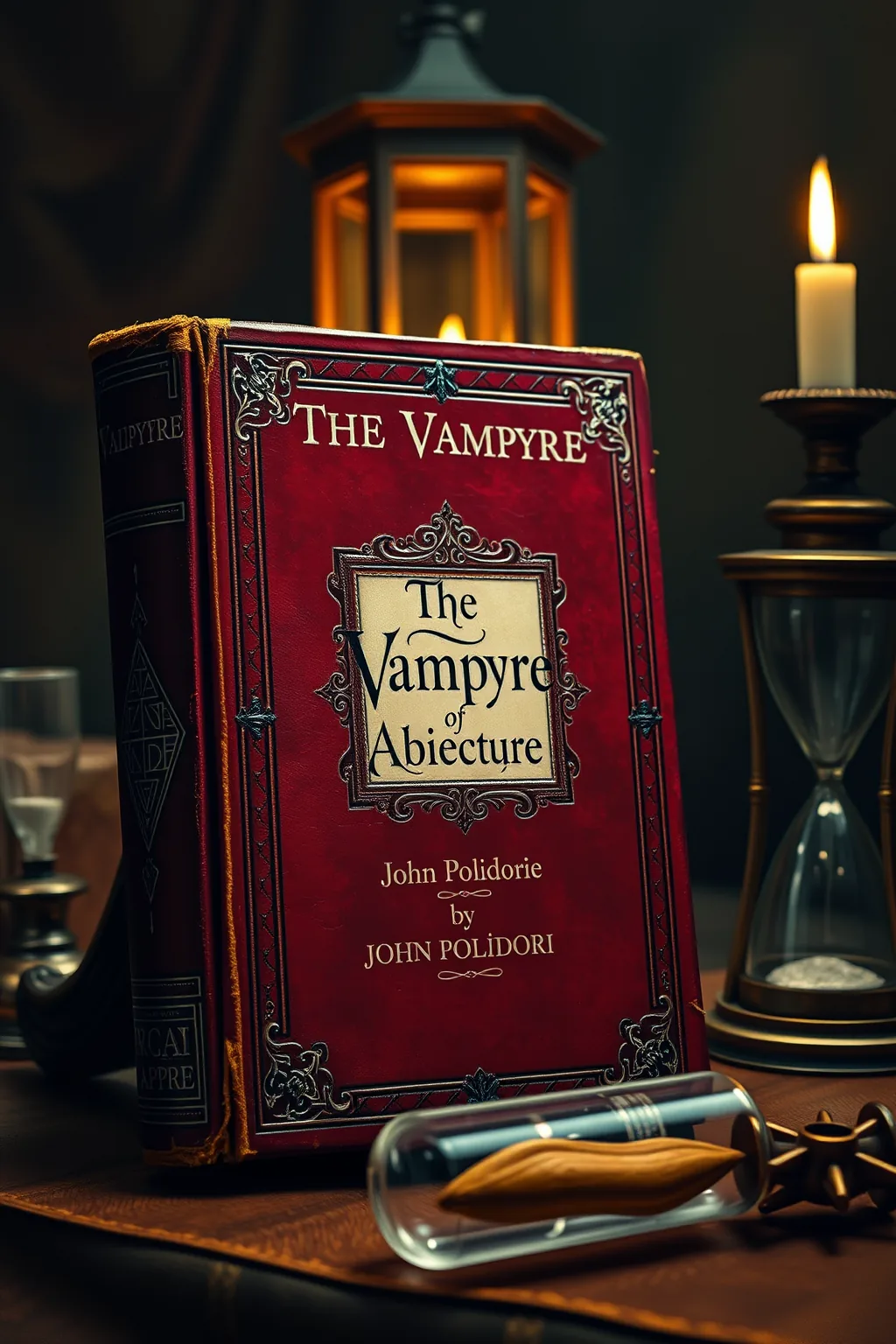
The Vampyre
 72
72

The Vampyre


Aurelia Blackwood (Occult Philosophy Critic) — Polidori's 'The Vampyre' is more than a gothic tale; it's an alchemical distillation of aristocratic decadence and primal fear. It masterfully introduces the seductive, enigmatic vampire figure, a potent symbol of corrupted vitality and hidden appetites that resonates deeply within esoteric traditions. The narrative's exploration of influence, obsession, and the uncanny echoes ancient pacts and the seductive whispers of forbidden knowledge. This work is essential for those seeking to understand the roots of modern vampire mythology and its profound connection to the darker currents of the human psyche.
📝 Description
72
John Polidori's 1819 novella 'The Vampyre' established the aristocratic vampire archetype.
Written in 1819, 'The Vampyre' introduced Lord Ruthven, a character who would define the image of the vampire in Western literature. Polidori's work emerged from a summer of ghost story writing among literary figures like Lord Byron and Mary Shelley. The story follows Aubrey, a young Englishman, who becomes entangled with the mysterious and alluring Lord Ruthven in Rome. Ruthven is revealed to be a vampire, preying on the innocent and operating with a cruel detachment. The novella examines themes of corruption, societal decay, and the dark fascination with forbidden power. Its atmosphere is one of decadent unease, reflecting the psychological states of its characters. The work is significant for its early depiction of the vampire as a sophisticated, aristocratic figure rather than a monstrous brute. It laid the groundwork for many subsequent vampire narratives, shifting the focus from simple horror to explorations of moral and social corruption.
Polidori's 'The Vampyre' taps into a Gothic tradition that often explores the darker aspects of human nature and the supernatural. While not overtly occult in the sense of ritual magic, its themes of hidden corruption, predatory influence, and the allure of forbidden power resonate with esoteric thought. The aristocratic vampire, a figure of both charm and monstrousness, can be seen as a symbol for hidden societal ills or a dark spiritual force. The novella reflects a broader cultural interest in exploring the boundaries between civilization and savagery, reason and the irrational, which were common concerns in the supernatural and occult literature of the early 19th century.
✍️ Author
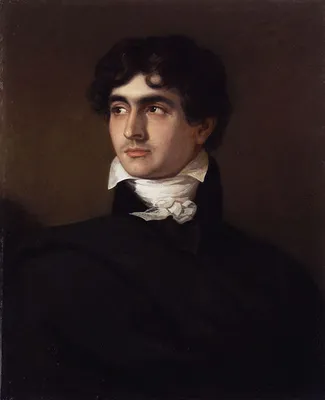
John Polidori
John William Polidori (7 September 1795 – 24 August 1821) was an English writer and medical doctor. He is known for his associations with the Romantic movement and credited by some as the creator of the vampire genre of fantasy fiction.
💡 Why Read This Book?
Uncover the genesis of the modern vampire archetype and its enduring mystical allure. 'The Vampyre' offers a rich tapestry of Gothic atmosphere and psychological depth, ideal for seekers of occult lore, scholars of literary history, and practitioners interested in the symbolic power of primal archetypes. It provides a foundational text for understanding supernatural narratives.
⭐ Reader Reviews
Honest opinions from readers who have explored this book.
❓ Frequently Asked Questions
What is 'The Vampyre' and why is it significant?
'The Vampyre' is an 1819 Gothic novella by John Polidori, widely considered the first modern vampire story in English literature. It established the aristocratic, seductive vampire archetype that heavily influenced subsequent Gothic and horror fiction.
When and where was 'The Vampyre' written?
It was written in 1816 during a famous gathering at Lake Geneva, a period that also inspired Mary Shelley's 'Frankenstein,' among a circle that included Lord Byron and Polidori himself.
Who are the main characters in 'The Vampyre'?
The primary characters are Aubrey, a naive English traveler, and Lord Ruthven, the charismatic and enigmatic nobleman who embodies the early vampire figure.
What are the core themes explored in the story?
The story delves into themes of corruption, obsession, forbidden desire, the supernatural, and the seductive power of aristocratic decay. It also touches upon the duality of human nature.
Is 'The Vampyre' a lengthy read?
No, 'The Vampyre' is a relatively short novella, making it an accessible yet impactful introduction to classic vampire literature and its esoteric undertones.
🔮 Key Themes & Symbolism
The Aristocratic Vampire Archetype
'The Vampyre' is seminal for its creation of the aristocratic vampire, a figure of dark charisma and seductive danger. Lord Ruthven embodies this, representing not just a predatory creature, but a symbol of decadent nobility and corrupted charm. This archetype transcends simple monstrosity, examining the psychological allure of power, the corrupting influence of wealth, and the hidden darkness that can lie beneath a polished exterior, reflecting societal anxieties about the ruling class and their hidden vices.
Forbidden Knowledge and Corruption
The narrative subtly explores the theme of forbidden knowledge, particularly through Aubrey's initial fascination and eventual horror regarding Lord Ruthven's true nature. This mirrors esoteric traditions where the pursuit of hidden wisdom can lead to dangerous paths and spiritual peril. The vampiric presence acts as a catalyst for moral decay, illustrating how exposure to the 'unseen' or the 'forbidden' can corrupt innocence and lead to a loss of self, a cautionary tale on the nature of temptation and its ultimate cost.
The Shadow Self and the Uncanny
Polidori's work taps into the Jungian concept of the shadow self, with Lord Ruthven representing the repressed, primal desires and destructive impulses that lie dormant within the human psyche. The uncanny atmosphere and the inexplicable nature of the vampire's influence evoke a sense of unease that challenges rational understanding, pushing the reader to confront the unsettling duality within themselves and society. It's a potent exploration of the primal fears and hidden aspects of our being.
💬 Memorable Quotes
Direct passages from the work, attributed to the author.
“He was indeed a devil.”
— This concise statement expresses Aubrey's dawning realization of Lord Ruthven's malevolent, supernatural nature, hinting at a profound and terrifying truth.
“He was not that man I had before seen.”
— This signifies a shift in perception, highlighting the deceptive facade of the vampire and the uncanny transformation that occurs when his true, darker self is revealed.
“I never knew the luxury of doing good.”
— This cynical remark reveals Lord Ruthven's complete detachment from morality and his embrace of a life driven solely by self-interest and predatory instinct.
“The very air of the place seemed to breed contagion.”
— Evokes a palpable sense of decay and malevolent influence surrounding the vampire's domain, suggesting a pervasive corruption that infects the environment itself.
💡 Key Ideas
Editorial paraphrase of the work's core concepts — not direct quotes.
I have a great horror of the present, and I am in the habit of thinking that the future will be like it.
A reflection of existential dread and a pessimistic outlook, this quote speaks to a profound sense of ennui and a fear of repeating past mistakes, a common theme in Gothic literature.
🌙 Esoteric Significance
Tradition
While not explicitly tied to a singular esoteric tradition, 'The Vampyre' appeals to themes found in Gnosticism and Hermeticism, particularly the concept of a fallen or corrupted divine spark, and the seductive nature of forbidden knowledge that can lead to spiritual entrapment. Lord Ruthven can be seen as an allegory for a being detached from divine grace, wielding a dark power that ensnares the unwary soul.
Symbolism
Lord Ruthven embodies the archetype of the Shadow Self, representing repressed desires, predatory instincts, and the corrupting influence of power. His aristocratic demeanor symbolizes the decay of nobility and the hidden darkness within societal structures. The act of vampirism itself symbolizes the draining of life force, a metaphor for parasitic relationships, addiction, or the consumption of innocence by worldly corruption.
Modern Relevance
The aristocratic vampire archetype established by Polidori continues to hold profound relevance. It speaks to our enduring fascination with forbidden power, the allure of the dangerous outsider, and the exploration of societal corruption masked by charm. The story's themes of obsession, manipulation, and the uncanny resonate with contemporary anxieties about authenticity, power dynamics, and the hidden costs of desire in a complex world.
👥 Who Should Read This Book
Seekers of foundational occult literature and Gothic horror enthusiasts will find 'The Vampyre' indispensable. Scholars of literary history will appreciate its important role in shaping vampire mythology. Beginners to supernatural fiction can start with this accessible yet potent novella. Practitioners of esoteric arts may find thematic resonance in its exploration of corruption, forbidden knowledge, and archetypal shadow figures, offering a rich text for contemplation and analysis.
📜 Historical Context
Penned in the summer of 1816 at Villa Diodati near Lake Geneva, 'The Vampyre' emerged from a famous ghost story competition among literary luminaries including Lord Byron, Mary Shelley, and John Polidori. This era, steeped in Romanticism's fascination with the sublime, the macabre, and the supernatural, provided fertile ground for such tales. Polidori, Byron's personal physician, drew inspiration from Byron's own character and the prevailing gothic mood. The story quickly gained popularity, shaping the nascent genre of vampire fiction and establishing many of the tropes that would define it for centuries, including the alluring, dangerous aristocratic vampire, a stark contrast to earlier, more peasant-like folklore.
📔 Journal Prompts
Reflect on the allure of Lord Ruthven. What aspects of his character are both terrifying and captivating, and why?
Consider Aubrey's naivete. How does his initial perception of Ruthven blind him to the impending danger, and what does this suggest about human susceptibility to deception?
Analyze the atmosphere Polidori creates. How does the setting contribute to the sense of dread and the uncanny nature of the events?
The concept of a 'vampire' can be interpreted metaphorically. What modern-day 'vampires'—individuals, systems, or ideas—drain vitality from society or individuals?
Explore the idea of forbidden knowledge. What are the potential consequences of seeking knowledge or experiences that are considered taboo or dangerous?
🗂️ Glossary
Gothic
A literary genre characterized by elements of terror, mystery, and the supernatural, often set in old castles or decaying estates, and focusing on themes of dread and psychological horror.
Novella
A short novel, typically longer than a short story but shorter than a full-length novel, often focusing on a single plot or character development.
Archetype
A recurring symbol, character type, theme, or image that is present in the collective unconscious and appears in literature and mythology across cultures.
Uncanny
A feeling of strangeness or unease aroused by something that is at once familiar and unfamiliar, often associated with the supernatural or the repressed.
Esoteric
Intended for or likely to be understood by only a small number of people with a specialized knowledge or interest; relating to or dealing with the occult or mystical.
This book appears in 2 collections
🔮 Readers Also Liked
Browse all →





From the “Transcendental Meditation” Collection
View all →





More Free Supernatural & Occult Fiction Books
View all →