The Garuda Purana

 81
81

The Garuda Purana

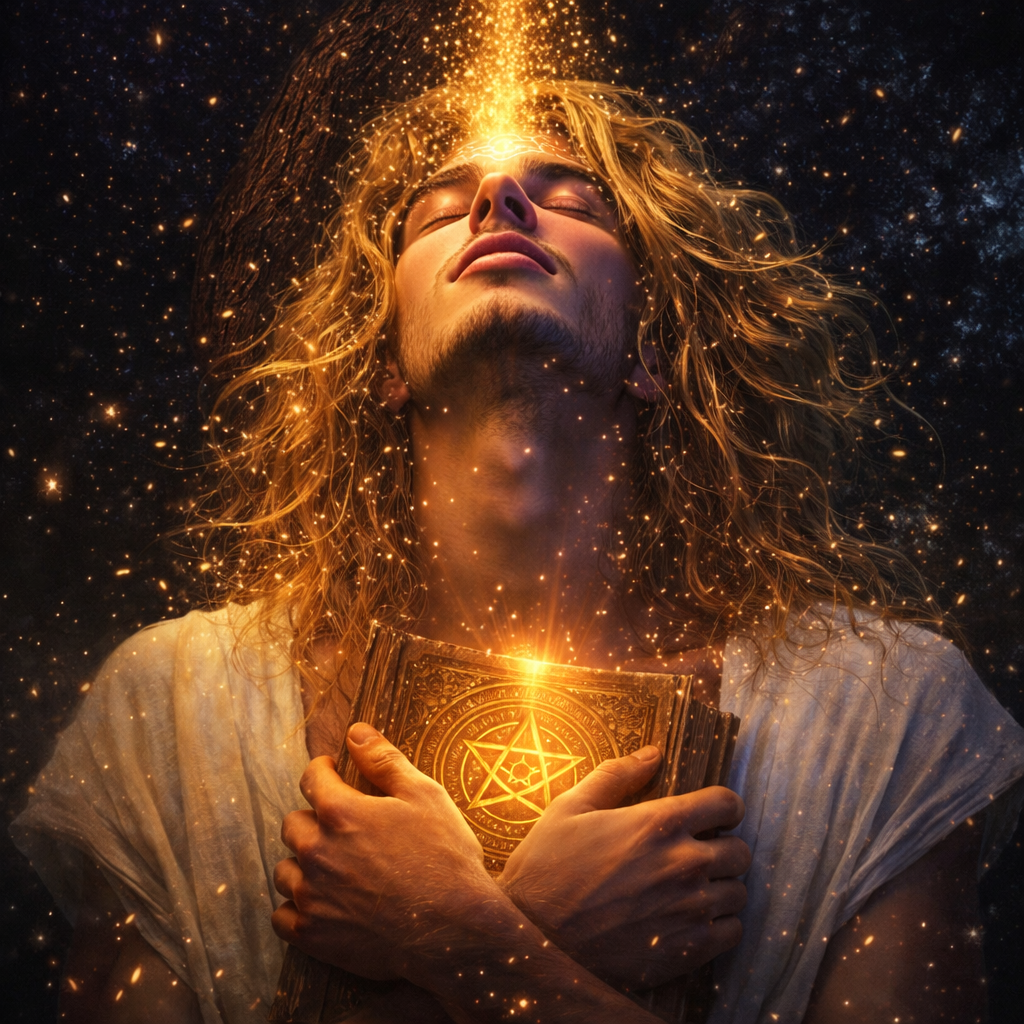

Celeste Moreau (Divination & Symbolism Reviewer) — Ernest Wood's translation of the Garuda Purana is a seminal work, offering Western readers unparalleled access to the esoteric dimensions of Hindu cosmology. This text transcends mere scripture, functioning as a profound treatise on eschatology and spiritual mechanics. The vivid descriptions of the afterlife and the soul's passage are both chilling and illuminating, providing practitioners of esoteric arts with invaluable symbolic language. Its strength lies in its directness and its comprehensive exploration of karma and its repercussions across lifetimes. Ideal for serious students of comparative religion, occultists, and anyone seeking a deeper, more nuanced understanding of the soul's eternal journey. A truly transformative read.
📝 Description
81
Ernest Wood's 1917 translation of the Garuda Purana brings its ancient teachings on death and rebirth to English readers.
This volume presents Ernest Wood and S.V. Subrahmanyam's translation of the Garuda Purana, a significant Mahāpurāṇa within Hindu tradition. The text is framed as a conversation between Lord Vishnu and his eagle mount, Garuda. It details the soul's passage after death, the states of existence in the afterlife, and the karmic principles that influence reincarnation. The Purana also discusses dharma, spiritual development, and the cyclical nature of the cosmos.
Wood's translation aims to make this complex scripture accessible, connecting its ancient philosophy to contemporary spiritual questions. The book addresses the unseen forces that shape reality and outlines paths toward spiritual liberation. It is intended for those interested in the metaphysical aspects of life, death, and the consequences of actions. Readers can expect to encounter discussions on cosmology, ethics, and the ultimate nature of existence.
The Garuda Purana is one of the eighteen Mahāpurāṇas, a genre of Hindu religious texts. It is particularly known for its detailed descriptions of the afterlife, including the realms of Yama (the god of death) and the various punishments and rewards meted out according to karma. This text is considered by many practitioners to be a guide for understanding the transition from physical life to the next existence, and for performing rituals that might aid departed souls. Its teachings on the soul's journey and the mechanics of rebirth place it within a significant stream of Indian spiritual thought concerned with liberation (moksha).
✍️ Author
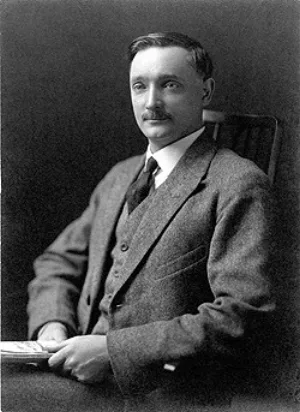
Ernest Wood
Ernest Edgerton Wood (18 August 1883 – 17 September 1965) was a noted English yogi, theosophist, Sanskrit scholar, and author of numerous books, including Concentration – An Approach to Meditation, Yoga and The Pinnacle of Indian Thought (1967)..
💡 Why Read This Book?
Unlock profound secrets of the soul's journey, death, and the afterlife. This translation offers a direct conduit to ancient Hindu wisdom on karma, liberation, and cosmic cycles. Ideal for spiritual seekers, scholars of comparative religion, and practitioners of esoteric arts who desire a deeper understanding of existence beyond the veil of mortality. Gain invaluable insights into the mechanics of reincarnation and spiritual evolution.
⭐ Reader Reviews
Honest opinions from readers who have explored this book.
❓ Frequently Asked Questions
What is the primary focus of the Garuda Purana?
The Garuda Purana primarily focuses on the nature of death, the intricate journey of the soul through the afterlife, and the principles of karma and reincarnation, offering profound insights into the cosmic order and spiritual liberation.
Who is Garuda in Hindu mythology?
Garuda is the divine mount (vahana) of Lord Vishnu, depicted as a powerful celestial eagle. He is known for his speed, strength, and his eternal devotion to Vishnu, often appearing in texts as a divine messenger or guide.
What are the Mahāpurāṇas?
The Mahāpurāṇas are eighteen major Puranic texts in Hinduism, traditionally attributed to the sage Vyasa. They are encyclopedic works covering cosmology, mythology, history, philosophy, and religious practices, forming a cornerstone of Indian religious literature.
Is this text suitable for beginners in Eastern philosophy?
While profound, the Garuda Purana is best approached with some foundational understanding of Hindu concepts. However, Ernest Wood's translation aims for clarity, making it accessible to dedicated seekers willing to engage with its complex themes.
What is the philosophical significance of the Garuda Purana?
Its philosophical significance lies in its detailed exploration of dharma, moksha (liberation), and the interconnectedness of actions and their consequences. It offers a framework for understanding the moral and spiritual dimensions of existence.
🔮 Key Themes & Symbolism
The Soul's Post-Mortem Journey
The Garuda Purana offers an exceptional, detailed account of the soul's transition after death. It vividly describes the various realms, the judgments faced, and the experiences the soul undergoes, guided by karmic imprints. This exploration studies the unseen mechanics of the afterlife, providing a framework for understanding the consequences of earthly actions and the path towards spiritual purification and eventual liberation. It is a profound meditation on mortality and the eternal nature of consciousness, offering solace and wisdom for those contemplating the ultimate transition.
Karma and Reincarnation
Central to the Garuda Purana is the immutable law of karma – the principle that every action, thought, and intention generates a corresponding reaction. The text elucidates how karmic residues shape present and future lives, dictating the soul's experiences through cycles of birth, death, and rebirth. It reveals the intricate web of cause and effect that governs existence, emphasizing the importance of righteous living (dharma) in mitigating negative karmic consequences and paving the way for spiritual advancement towards moksha, or liberation from the cycle.
Cosmic Order and Divine Justice
This Mahāpurāṇa presents a comprehensive view of the cosmic order, governed by divine principles and justice. Through the dialogue between Vishnu and Garuda, it unveils the celestial hierarchies, the functions of various deities, and the underlying structure that upholds universal harmony. The text underscores the inherent balance within the cosmos, where righteousness is ultimately rewarded and unrighteousness is rectified, reinforcing the concept of a benevolent yet just divine administration that guides all existence and ensures the unfolding of destiny according to cosmic law.
💬 Memorable Quotes
Direct passages from the work, attributed to the author.
“Every deed casts a shadow, and every shadow returns to its source.”
— A powerful metaphor for the law of karma, illustrating that all actions, whether positive or negative, will inevitably bring about corresponding consequences for the individual.
“The path of righteousness is arduous, yet it leads to the luminous heights of liberation.”
— This emphasizes the moral struggle in life and the ultimate reward of spiritual freedom and enlightenment achieved through adherence to dharma and virtuous conduct.
“The veil between worlds is thin for those who seek truth with an open heart.”
— Suggests that genuine spiritual seeking and purity of intention can grant access to deeper, unseen realities and a more profound understanding of existence.
“Death is not an end, but a transition, a profound turning of the cosmic wheel.”
— Reassures the reader about the cyclical nature of life and death, framing mortality as a natural phase in the soul's ongoing journey of evolution and experience.
💡 Key Ideas
Editorial paraphrase of the work's core concepts — not direct quotes.
The soul, like a flame, flickers and dances, but its essence is eternal.
This quote highlights the transient nature of the physical form and the enduring spirit, emphasizing the soul's continuity beyond the confines of the mortal body.
🌙 Esoteric Significance
Tradition
The Garuda Purana is deeply rooted in the Vaishnavism tradition of Hinduism, specifically focusing on Lord Vishnu and his cosmic role. Esoterically, it serves as a guide to the subtle body and its journey through various planes of existence post-mortem. It offers insights into the energetic and psychic mechanisms that govern the soul's progression, making it a key text for understanding tantric concepts of consciousness and liberation within the broader Vedic framework.
Symbolism
Key symbols include Garuda, representing swiftness, divine power, and liberation from bondage; Vishnu, symbolizing the supreme consciousness and cosmic order; and the various hellish and heavenly realms, which represent states of consciousness and karmic consequences. The imagery of the soul's journey through the underworld and its subsequent rebirth embodies profound metaphors for spiritual purification, overcoming egoic limitations, and the cyclical nature of existence.
Modern Relevance
In contemporary times, the Garuda Purana offers profound relevance for understanding the human condition, particularly in confronting mortality and the fear of the unknown. Its teachings on karma provide a powerful ethical framework for personal responsibility and conscious living. For spiritual seekers, it offers a detailed map of spiritual evolution and the potential for liberation, encouraging introspection and the cultivation of virtues that transcend material existence, resonating with modern interests in mindfulness, consciousness studies, and the perennial philosophy.
👥 Who Should Read This Book
This profound text is important for dedicated spiritual seekers yearning for a comprehensive understanding of life, death, and the soul's eternal journey. Scholars of comparative religion and Indology will find it an essential primary source for studying Hindu cosmology and eschatology. Practitioners of esoteric traditions, such as yoga and meditation, will discover rich symbolic language and philosophical underpinnings for their practices. Beginners interested in Eastern philosophy will benefit from its clarity on core concepts like karma and reincarnation, provided they approach it with an open mind and a willingness to engage with complex metaphysical ideas.
📜 Historical Context
Published in 1911, Ernest Wood and S.V. Subrahmanyam's translation of the Garuda Purana emerged during a period of significant Western interest in Eastern spirituality and philosophy. The late Victorian and Edwardian eras saw a surge in the study of Sanskrit texts and Vedic traditions, driven by scholars, mystics, and occultists seeking alternative perspectives to dominant Western paradigms. This translation served as a crucial bridge, making accessible the complex theological and cosmological framework of a major Hindu Purana to an English-speaking audience. Its publication contributed to the burgeoning field of comparative religion and provided a vital source for esoteric societies and individuals exploring universal spiritual principles beyond their immediate cultural context. The work stands as a proof of the era's intellectual curiosity and the enduring appeal of ancient Indian wisdom.
📔 Journal Prompts
Reflect on the concept of karma as presented in the Garuda Purana. How do your current actions align with or diverge from its principles?
Imagine you are the soul traversing the realms described. What fears would you confront, and what strengths would you need to draw upon?
Consider the symbolism of Garuda. What aspects of his divine nature resonate with your own spiritual aspirations or challenges?
How does the Garuda Purana's perspective on death alter your own perception of mortality and the meaning of life?
What ethical lessons can be drawn from the descriptions of cosmic justice and the consequences of actions within the text?
🗂️ Glossary
Mahāpurāṇa
One of the eighteen major Puranic texts in Hinduism, considered encyclopedic works containing narratives, cosmology, philosophy, and religious teachings, forming a vital part of Indian religious literature.
Vahana
In Hinduism, a divine mount or vehicle of a deity, typically an animal or mythical creature, symbolizing the deity's power and attributes. Garuda is the vahana of Lord Vishnu.
Dharma
A complex concept in Indian religions, encompassing righteousness, duty, cosmic order, moral law, and the intrinsic nature of things. It guides virtuous conduct and spiritual progression.
Moksha
Liberation or release from the cycle of birth, death, and rebirth (samsara). It is the ultimate spiritual goal in many Indian religions, achieved through various paths of knowledge, devotion, and action.
Samsara
The cyclical process of birth, death, and rebirth, driven by karma and ignorance. It is the continuous cycle of existence from which liberation (moksha) is sought.
This book appears in 4 collections
🔮 Readers Also Liked
Browse all →









From the “Transcendental Meditation” Collection
View all →







More Free Spiritual Development Books
View all →