Chakras for beginners
 74
74

Chakras for beginners
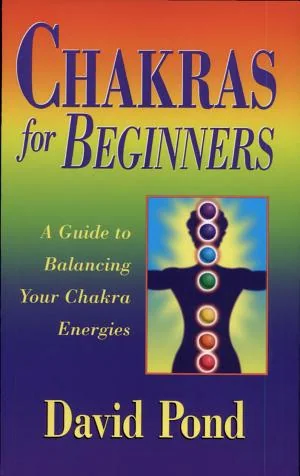
David Pond's "Chakras for Beginners" tackles a dense subject with admirable clarity. Its strength lies in its straightforward approach, stripping away complex Sanskrit terminology to present the chakra system in a universally understandable framework. The book's explanation of the Muladhara and its connection to grounding, for instance, is particularly effective. However, its beginner-focused nature means it necessarily simplifies some nuanced aspects of chakra lore, which might leave advanced practitioners wanting more depth. The initial publication in 2000 means some of the accompanying imagery or suggested practices might feel slightly dated compared to contemporary interpretations. Despite these limitations, the book provides a solid, approachable foundation for anyone stepping into the study of energetic anatomy. It serves as a reliable primer for the uninitiated.
📝 Description
74
David Pond's Chakras for Beginners, published in 2000, explains the seven primary energy centers.
This book makes the system of human energy centers accessible to newcomers. It breaks down the concept of chakras, the seven main points in the body's subtle anatomy, into plain language. Pond's work is for anyone interested in spiritual development, personal growth, or alternative healing methods. Readers can find practical guidance for balancing their energy, reducing stress, and understanding their inner life.
It addresses those drawn to exploring the non-physical dimensions of existence. The book covers the basic principles of chakra theory. It details the location, associated colors, and functions of each of the seven main chakras, beginning with the Root Chakra and ending with the Crown Chakra.
Pond's book enters a Western discourse on Eastern spiritual practices that gained traction after the 1960s. It follows a trend of making yogic and Indian philosophical concepts understandable for a modern audience. This effort builds on earlier popularizations of Indian spiritual ideas, including those associated with the Theosophical Society and authors like Alice Bailey.
💡 Why Read This Book?
• Gain a foundational understanding of the seven primary chakras, learning their associated colors, locations, and energetic functions as described by Pond, moving beyond generic descriptions. • Discover practical, easy-to-implement techniques for energy balancing and self-awareness, including specific breathwork exercises and visualizations for each chakra, as presented in the book. • Understand the historical lineage of chakra concepts, recognizing how this work builds upon earlier esoteric traditions that explored subtle energy systems since the early 20th century.
⭐ Reader Reviews
Honest opinions from readers who have explored this book.
❓ Frequently Asked Questions
What is the historical origin of the chakra system discussed in "Chakras for Beginners"?
The chakra system originates from ancient Indian tantric traditions, with early descriptions appearing in texts like the Upanishads and later detailed in yogic literature. Pond's work draws from these roots, adapted for a modern Western audience.
How does David Pond's book explain chakra imbalances?
Pond explains that imbalances can manifest as physical discomfort, emotional distress, or mental blocks. He links specific issues to blockages or overactivity in particular chakras, such as anxiety potentially relating to an imbalanced Throat Chakra.
Are there practical exercises in "Chakras for Beginners"?
Yes, the book offers practical exercises, including visualizations, breathwork, and affirmations, designed to help readers balance and activate their chakras. These are presented as simple techniques suitable for beginners.
What is the significance of the color associations for each chakra?
The colors (e.g., red for Root, blue for Throat) are not merely aesthetic; they represent vibrational frequencies and associated qualities. Pond uses these color correspondences to help readers connect with and understand the specific energy of each chakra.
When was "Chakras for Beginners" first published?
David Pond's "Chakras for Beginners" was first published in the year 2000, placing it within a wave of popular interest in esoteric and self-help topics.
Can this book help with stress reduction?
Yes, by introducing readers to techniques for balancing their energy centers, the book provides tools that can aid in stress reduction and emotional regulation. Understanding and working with chakras can foster a sense of inner calm.
🔮 Key Themes & Symbolism
The Seven Primary Chakras
Pond meticulously details the seven main chakras, starting with the Root Chakra (Muladhara) and extending to the Crown Chakra (Sahasrara). Each center is presented with its corresponding color, location in the body, and specific energetic functions. The book explains how these energy vortices influence physical health, emotional states, and spiritual awareness. For instance, the Solar Plexus Chakra (Manipura) is linked to personal power and self-esteem, while the Heart Chakra (Anahata) governs love and compassion. Understanding these distinct roles is central to achieving energetic harmony.
Prana and Energy Flow
Central to chakra theory is the concept of prana, the vital life force energy that flows through the body. Pond illustrates how chakras act as conduits and regulators for this energy. Blockages or imbalances in the chakras can impede the natural flow of prana, leading to various forms of discomfort or dis-ease. The book emphasizes the importance of maintaining a clear and balanced flow of prana through the chakras for overall vitality and well-being, laying the groundwork for self-healing practices.
Balancing and Activation Techniques
Beyond theoretical explanation, "Chakras for Beginners" provides practical methods for readers to engage with their own energy systems. These include guided visualizations linked to specific chakra colors and locations, simple breathwork exercises (pranayama), and affirmations. Pond suggests these techniques can help clear energetic blockages, stimulate dormant centers, and restore equilibrium. The goal is to empower individuals to take an active role in their energetic health through accessible, daily practices.
Chakras and Everyday Life
Pond connects the abstract concept of chakras to tangible aspects of daily living. He explains how the state of one's chakras can influence relationships, career, personal confidence, and spiritual connection. For example, issues with communication might be linked to the Throat Chakra, while feelings of insecurity could stem from the Root Chakra. By highlighting these connections, the book encourages readers to view their energetic state as integral to their overall experience of life.
💬 Memorable Quotes
Direct passages from the work, attributed to the author.
“When prana flows freely through the chakras, you experience vitality and well-being.”
— This interpretation emphasizes the direct correlation between the unobstructed movement of life force energy (prana) and a state of health and flourishing. It positions the chakra system as a key mechanism for maintaining this vital flow.
“The color red is strongly associated with the grounding energy of the Root Chakra.”
— This statement points to the symbolic language of the chakra system, where specific colors serve as energetic anchors. Red's connection to the Root Chakra signifies its role in stability, security, and connection to the physical world.
“Imbalances can manifest as physical discomfort or emotional distress.”
— This concisely explains the practical impact of an unharmonious chakra system. It bridges the esoteric concept of energetic imbalance with observable symptoms in the physical and emotional bodies, making the theory relatable.
“Visualizations can help awaken and balance your energy centers.”
— This highlights a core practice within the book: the use of mental imagery as a tool for energetic work. It suggests that focused imagination can directly influence the subtle body and promote equilibrium.
💡 Key Ideas
Editorial paraphrase of the work's core concepts — not direct quotes.
Each chakra is like a gateway, processing energy and influencing different aspects of your being.
This quote highlights the functional role of chakras as points of energetic exchange and influence. It suggests that by understanding these 'gateways,' one can begin to understand and modulate various facets of their personal experience, from physical sensations to emotional responses.
🌙 Esoteric Significance
Tradition
The work draws heavily from the Tantric and Yogic traditions of India, which conceptualized chakras as energetic centers within the subtle body. Pond adapts these ancient teachings, originating in texts like the Upanishads and later elaborated in Hatha Yoga Pradipika, for a contemporary Western audience. While rooted in these lineages, his approach often de-emphasizes the more complex philosophical underpinnings or ritualistic aspects found in traditional texts, focusing instead on accessible psychological and physiological correlations.
Symbolism
Key symbols in "Chakras for Beginners" include the colors associated with each chakra (e.g., red for Muladhara, violet for Sahasrara) and their elemental correspondences (e.g., earth for Muladhara, ether for Sahasrara). These colors and elements function as symbolic keys, representing the vibrational qualities and functional domains of each energy center. The lotus flower, often depicted with varying numbers of petals corresponding to specific chakras, is another potent symbol representing spiritual unfolding and purity within these energetic hubs.
Modern Relevance
Pond's accessible framework for understanding chakras continues to influence modern wellness practices. Contemporary mindfulness, energy healing modalities like Reiki, and even some forms of psychotherapy often incorporate chakra concepts, albeit sometimes with adaptations. Thinkers and practitioners in fields like holistic health coaching, yoga instruction, and spiritual counseling frequently reference the basic chakra system as outlined in introductory texts like this one, using it as a common language for discussing personal energy and well-being.
👥 Who Should Read This Book
• Absolute beginners to esoteric or spiritual concepts seeking a gentle introduction to the chakra system without overwhelming jargon. • Individuals interested in holistic health and alternative wellness practices who want to understand the energetic basis of physical and emotional well-being. • Personal development enthusiasts looking for practical tools and self-awareness exercises to explore their inner landscape and enhance their vitality.
📜 Historical Context
Published in 2000, David Pond's "Chakras for Beginners" arrived during a period when interest in holistic health and Eastern spirituality had moved from counter-culture fringes to mainstream consciousness. The preceding decades saw figures like Marilyn Ferguson popularizing concepts of the 'Aquarian Conspiracy' and New Age thought, making esoteric ideas more accessible. Pond’s work built upon this foundation, simplifying complex yogic and tantric concepts for a Western audience less familiar with Sanskrit terminology and traditional Indian philosophical frameworks. It engaged with a public increasingly seeking alternative methods for stress reduction and personal growth, often influenced by the self-help boom. While figures like Swami Vivekananda introduced Vedanta and Yoga to the West in the late 19th century, and the Theosophical Society extensively explored Indian metaphysics in the early 20th century, Pond's book represents a later stage of popularization, directly addressing a generation seeking practical applications of these ancient systems. Its reception was part of a broader trend that saw books on chakras, auras, and energy healing become commonplace in bookstores.
📔 Journal Prompts
The Root Chakra's association with grounding and security.
Energetic flow and its connection to vitality.
The symbolic meaning of the Heart Chakra's color.
Practices for balancing the Throat Chakra.
Manifestations of imbalanced energy centers.
🗂️ Glossary
Chakra
Literally 'wheel' or 'vortex' in Sanskrit. Chakras are understood as centers of spiritual, physical, and emotional energy located along the spine, influencing the body's various functions and states of consciousness.
Prana
The vital life force or energy that permeates all living beings. In the context of chakras, prana is the energy that flows through them, sustaining the body and mind.
Muladhara
The Root Chakra, located at the base of the spine. It is associated with grounding, security, survival instincts, and physical vitality. Its color is typically red.
Anahata
The Heart Chakra, located in the center of the chest. It governs love, compassion, emotional balance, and relationships. Its color is typically green or pink.
Sahasrara
The Crown Chakra, located at the top of the head. It is associated with spiritual connection, higher consciousness, and universal awareness. Its color is typically violet or white.
Visualization
A mental technique involving creating vivid images in the mind's eye. In chakra work, visualizations are used to connect with, balance, and activate specific energy centers, often using colors or light.
Energy Balancing
The process of harmonizing the flow of vital energy within the body, particularly through the chakra system. It aims to clear blockages and restore equilibrium for improved well-being.
🔮 Readers Also Liked
Browse all →









More by David Pond
All books →




More Free Spiritual Development Books
View all →