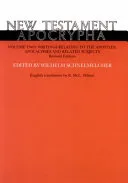
New Testament Apocrypha: Writings relating to the Apostles; Apocalypses and related subjects
 84
84

New Testament Apocrypha: Writings relating to the Apostles; Apocalypses and related subjects
The English translation of Schneemelcher's *New Testament Apocrypha*, specifically the sections covering apostolic writings and apocalypses, serves as a vital resource for anyone looking to understand the breadth of early Christian literature. Its strength lies in its comprehensive scope and scholarly apparatus, bringing together disparate texts that offer a counterpoint to the established canon. The inclusion of texts like the *Apocalypse of Peter* or the *Acts of Paul* provides direct engagement with materials that shaped popular belief and esoteric traditions for centuries. However, the work’s academic density, while a virtue for scholars, can present a steep learning curve for the uninitiated. The original blurb's brevity, simply stating "Translation of: Neutestamentliche Apokryphen," undersells the depth and significance of the translated material. For the dedicated student, this collection is an indispensable tool for grasping the multifaceted nature of nascent Christianity.
📝 Description
84
### What It Is
This volume presents a scholarly English translation of selected texts from the *Neutestamentliche Apokryphen*, focusing on writings related to the Apostles, apocalypses, and associated subjects. The collection offers access to a range of early Christian literature that, while not included in the canonical New Testament, circulated widely and influenced theological and mystical thought. These texts provide alternative narratives and theological perspectives that challenge or expand upon the traditional understanding of early Christianity.
### Who It's For
This work is primarily intended for academic researchers, theologians, and serious students of early Christianity and Gnosticism. It appeals to those interested in the historical Jesus beyond the Gospels, the development of Christian doctrine, and the diversity of early religious expression. Readers seeking primary source material for comparative religion studies or for understanding the broader landscape of ancient Mediterranean religious ideas will find it valuable.
### Historical Context
Published in 2003, this translation draws from the comprehensive German collection initiated by Wilhelm Schneemelcher. The original German work emerged in a post-war academic environment in Germany, aiming to collate and critically assess apocryphal texts that had often been relegated to the fringes of scholarship. This English edition makes these crucial historical documents accessible to a wider international audience, facilitating ongoing scholarly debate about the boundaries of the New Testament canon and the heterodox traditions that coexisted with proto-Orthodoxy.
### Key Concepts
The texts explore a variety of early Christian beliefs and practices, often featuring figures like Peter, Paul, and other apostles in roles and narratives distinct from the canonical Acts. Apocalyptic visions, such as those found in some of the featured texts, reveal early Christian hopes, fears, and cosmological understandings. The concept of 'secret knowledge' (gnosis) is also a recurring motif, suggesting a more complex interplay between what would become orthodox Christianity and various Gnostic or proto-Gnostic movements.
💡 Why Read This Book?
• Gain direct access to early Christian texts like the *Apocalypse of Peter*, offering insights into pre-Nicene eschatological views and cosmologies not found in canonical scripture. • Understand the diverse portrayals of apostles beyond the New Testament, as seen in texts like the *Acts of Paul*, revealing how their ministries and teachings were mythologized. • Explore the historical context of the 2003 translation, which critically examines a broad spectrum of early Christian writings that competed for influence with emerging orthodox traditions.
⭐ Reader Reviews
Honest opinions from readers who have explored this book.
❓ Frequently Asked Questions
What is the primary difference between the New Testament Apocrypha and the canonical New Testament?
The New Testament Apocrypha are early Christian writings that were not accepted into the official canon of the New Testament by major churches. They often explore themes or present narratives that differ from or supplement canonical accounts, offering diverse theological perspectives from the early centuries.
Which apostles are most frequently featured in these apocryphal texts?
While the collection covers various apostles, texts often focus on figures like Paul and Peter, presenting expanded narratives of their missionary journeys, teachings, and encounters with divine or demonic forces not found in the canonical Gospels or Acts.
What kind of apocalyptic content can be found in this volume?
This volume includes apocalyptic visions and narratives, such as the *Apocalypse of Peter*. These texts often describe heavenly journeys, future eschatological events, and divine judgments, providing a window into early Christian hopes and fears about the end times.
When was the original German edition of Neutestamentliche Apokryphen first published?
The original German collection, *Neutestamentliche Apokryphen*, edited by Wilhelm Schneemelcher, began publication in the mid-20th century, with significant revisions and expansions over its history, leading to the 2003 English translation.
Are these texts considered heretical by mainstream Christianity?
Many of these texts were considered apocryphal or heretical by early Church authorities due to theological differences, questionable authorship, or perceived deviations from apostolic tradition. However, they are crucial for understanding the spectrum of early Christian belief.
What is the significance of the 'related subjects' mentioned in the title?
The 'related subjects' likely refer to texts that, while not directly apostolic or apocalyptic, are thematically linked to the broader corpus of early Christian literature exploring the lives of the apostles and end-times prophecies, such as early creeds or theological treatises.
🔮 Key Themes & Symbolism
Apostolic Narratives
This collection delves into accounts of the apostles' lives and ministries that diverge significantly from the canonical Acts. Texts like the *Acts of Paul* present elaborate journeys, miraculous interventions, and encounters with influential figures, offering a glimpse into how the apostles' legacies were expanded and mythologized in the early centuries. These narratives often served to disseminate specific theological viewpoints or promote particular devotional practices associated with the named apostles, providing a rich counterpoint to the more historically focused canonical accounts.
Apocalyptic Visions
The volume features significant apocalyptic literature, such as the *Apocalypse of Peter*. These texts are characterized by their visionary descriptions of the afterlife, divine judgment, and the unfolding of cosmic history. They reveal the eschatological hopes and anxieties prevalent in early Christian communities, offering detailed accounts of heavenly realms, hellish punishments, and the ultimate triumph of divine will. Such writings were influential in shaping Christian eschatology and provided a framework for understanding spiritual realities beyond the material world.
Gnostic and Esoteric Currents
Many of the apocryphal texts included hint at or directly engage with Gnostic ideas, emphasizing secret knowledge, intermediary divine beings, and alternative cosmologies. The exploration of hidden teachings attributed to Jesus or the apostles aligns with Gnostic traditions that sought salvation through esoteric understanding. This aspect highlights the complex religious milieu of the early centuries, where diverse interpretations of Christ's message and salvific pathways coexisted and competed for adherents.
Canonical Boundaries
The very existence and study of these New Testament Apocrypha raise critical questions about the formation of the biblical canon. By presenting texts that were once widely circulated but ultimately excluded, this collection allows for a deeper understanding of the criteria and controversies involved in defining orthodox Christian scripture. It illuminates the process by which certain narratives and theological frameworks gained prominence while others were marginalized, offering a historical perspective on scriptural authority.
💬 Memorable Quotes
“The Acts of Paul describes Paul's extensive travels and miraculous rescues.”
— This paraphrased concept highlights how apocryphal texts like the *Acts of Paul* expand upon the apostle's biblical narrative, introducing fantastical elements and emphasizing his miraculous powers, which served to bolster his apostolic authority and influence in early Christian imagination.
“The Apocalypse of Peter offers visions of heaven and hell.”
— This refers to the content of early Christian apocalyptic literature, demonstrating how texts such as the *Apocalypse of Peter* provided detailed, often graphic, descriptions of divine judgment and the afterlife, reflecting the eschatological concerns of their time.
“Early Christians debated which texts were authoritative.”
— This captures the historical reality of canon formation, indicating that the collection includes writings that were part of the vibrant, and often contentious, process of determining which scriptures would be accepted as divinely inspired by the early Church.
“Gnostic traditions emphasized secret knowledge passed from Christ.”
— This interpretation points to the esoteric dimension present in some apocryphal works, suggesting they align with Gnostic beliefs that salvation was achieved through privileged, hidden revelations imparted by Christ or his apostles.
“Apostles were depicted with expanded roles and powers.”
— This reflects how figures like Peter and Paul were portrayed in apocryphal narratives with miraculous abilities and theological teachings that went beyond their canonical accounts, serving to enhance their status and the doctrines associated with them.
🌙 Esoteric Significance
Tradition
This work is foundational for understanding the esoteric currents within early Christianity, particularly those associated with Gnosticism and Hermeticism. The texts explore themes of hidden knowledge, spiritual ascent, and alternative cosmologies that profoundly influenced later mystical traditions. It represents a departure from later orthodox interpretations by preserving narratives and theological systems that emphasized direct, often ecstatic, spiritual experience and esoteric revelation as pathways to salvation.
Symbolism
Key symbols include the 'journey' or 'ascent' through celestial spheres, often depicted in apocalyptic texts, representing the soul's path to divine union. The 'Gnosis' or 'knowledge' itself is a central symbolic concept, signifying a salvific understanding of one's true spiritual nature and cosmic origins. Figures like the resurrected Christ or the empowered Apostles also function symbolically, representing divine authority and the transmission of esoteric wisdom.
Modern Relevance
Contemporary esoteric practitioners, Gnostic revival movements, and scholars of comparative religion frequently draw upon these texts. Thinkers interested in alternative spiritualities and the historical roots of mystical experience find value in Schneemelcher's collection. It informs modern discussions on the plurality of early Christian thought and continues to inspire explorations into non-canonical spiritual pathways and the nature of hidden spiritual traditions.
👥 Who Should Read This Book
• Students of Gnosticism and early Christian heresies seeking primary source material beyond canonical texts. • Comparative religion scholars investigating the diverse religious landscape of the Greco-Roman world. • Mystics and spiritual explorers interested in the historical development of esoteric Christian traditions and alternative pathways to spiritual insight.
📜 Historical Context
The English translation of Schneemelcher's *Neutestamentliche Apokryphen* arrived in 2003, building upon decades of critical scholarship in Germany. The original German work emerged in the mid-20th century, a period marked by intense academic interest in early Christian diversity and the historical Jesus, often in dialogue with existentialist and form-critical approaches. Scholars like Rudolf Bultmann had already paved the way for critical examination of the New Testament and its surrounding literature. This compilation aimed to provide a comprehensive, textually grounded resource for studying the vast corpus of apocryphal writings that circulated alongside the developing New Testament canon. Its reception within academia was significant, providing a standard reference for comparative studies, though it also prompted ongoing debates about the nature of early Christian orthodoxy and heresy, particularly in relation to Gnostic schools.
📔 Journal Prompts
The *Apocalypse of Peter*'s depiction of the afterlife.
Paul's expanded missionary journeys in the *Acts of Paul*.
The concept of 'Gnosis' as presented in these writings.
The criteria for canonization debated in early Christianity.
The symbolic meaning of celestial journeys in apocryphal texts.
🗂️ Glossary
Apocrypha
Texts related to the Bible but not included in the canonical scriptures. The New Testament Apocrypha are early Christian writings excluded from the New Testament canon.
Gnosticism
A diverse set of religious movements in the early centuries CE that emphasized salvation through esoteric knowledge (gnosis) and often posited a dualistic worldview.
Canon
The official list of books considered divinely inspired scripture within a religious tradition. The formation of the New Testament canon was a lengthy process.
Apostle
One of the principal disciples of Jesus Christ, especially the twelve, or other early Christian missionaries sent out to spread the Gospel. Apocryphal texts often feature expanded accounts of their lives.
Apocalypse
A genre of revelatory literature, often featuring visions of the end times, divine judgment, and cosmic events. The *Apocalypse of Peter* is an example.
Neutestamentliche Apokryphen
The German title for the collection of New Testament apocryphal writings, of which this is an English translation.
Orthodoxy
Generally accepted or traditional beliefs and doctrines, particularly within Christianity, as opposed to heterodox or heretical views.