Histoire critique du gnosticisme ...

 76
76

Histoire critique du gnosticisme ...



Jacques Matter's Histoire critique du gnosticisme stands as a cornerstone in the study of esoteric and occult traditions. Published in 1828, this work offers a comprehensive and critical examination of gnostic beliefs, making it an invaluable resource for modern esoteric seekers. Matter's detailed analysis of the diverse gnostic sects and their theological frameworks provides a rich understanding of the mystical and spiritual dimensions of gnosticism. For those interested in the occult, this book serves as a gateway to the deeper, more hidden aspects of religious and spiritual history. The digitization of this text by Google from the University of Michigan's library and its availability on the Internet Archive ensures that its insights are accessible to a wider audience. This text is highly recommended for its scholarly rigor and its ability to illuminate the esoteric roots of ancient beliefs.
📝 Description
76
Jacques Matter's Histoire critique du gnosticisme (1828) is a seminal work in the field of esoteric and occult studies, offering a meticulous examination of gnostic beliefs and their historical context. Originally published in the 19th century, this book delves into the esoteric doctrines that emerged in the early Christian era, providing a critical analysis of the diverse gnostic sects and their theological frameworks. Matter's work is particularly valuable for its exploration of the mystical and spiritual dimensions of gnosticism, making it a must-read for anyone interested in the occult and esoteric traditions. The book is digitized by Google from the University of Michigan's library and available on the Internet Archive, ensuring its accessibility to modern scholars and enthusiasts. Key themes include the origins of gnostic thought, the relationship between gnosticism and early Christianity, and the esoteric practices associated with various gnostic groups. This text is an essential resource for those seeking to understand the deeper, more mystical aspects of religious and spiritual history.
✍️ Author
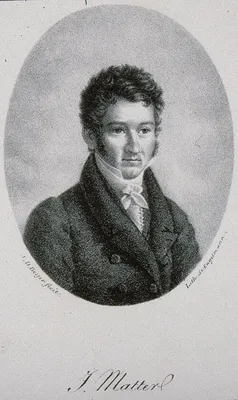
Jacques Matter
Jacques Matter (31 May 1791 – 22 June 1864) was an inspector general and professor of ecclesiastical history for the Faculty of Protestant Theology at the University of Strasbourg.
💡 Why Read This Book?
Reading Histoire critique du gnosticisme today offers a unique opportunity to explore the esoteric and occult dimensions of ancient religious thought. This book provides a deep dive into the mystical beliefs and practices of gnostic sects, offering valuable insights for modern esoteric seekers. By understanding the historical context and theological frameworks of gnosticism, readers can gain a broader perspective on the spiritual and mystical traditions that have shaped religious thought over the centuries. This text is particularly beneficial for those interested in the occult and esoteric studies, as it provides a critical and detailed analysis of gnostic doctrines.
⭐ Reader Reviews
Honest opinions from readers who have explored this book.
❓ Frequently Asked Questions
What is the main focus of Histoire critique du gnosticisme?
The main focus of this book is the critical examination of gnostic beliefs and their historical context, particularly in relation to early Christianity and esoteric traditions.
Is this book suitable for modern esoteric seekers?
Yes, this book is highly suitable for modern esoteric seekers as it provides a detailed and critical analysis of the mystical and spiritual dimensions of gnosticism.
How can I access this book?
This book is digitized by Google from the University of Michigan's library and is available for free on the Internet Archive.
🔮 Key Themes & Symbolism
Hidden Knowledge
The concept of hidden knowledge, or Gnosis, is central to Gnosticism. This book explores the esoteric teachings that were passed down through the ages, revealing the mystical truths that have eluded mainstream religious thought. Matter delves into the idea that true enlightenment comes from within, through the revelation of divine knowledge.
Symbolism and Mythology
Gnosticism is rich in symbolism and mythology, and this book unravels the intricate web of symbols that define the tradition. From the serpent to the divine feminine, each symbol carries deep esoteric meanings that are essential for understanding the Gnostic worldview. The mythology of Gnosticism, with its complex narratives of divine beings and cosmic battles, is explored in detail, providing a comprehensive guide to the symbolism that underpins Gnostic thought.
Spiritual Enlightenment
The ultimate goal of Gnosticism is spiritual enlightenment, and this book guides readers through the mystical path to achieving this state. Matter discusses the various practices and teachings that have been used by Gnostics over the centuries to attain enlightenment, offering insights into the spiritual disciplines that can lead to a deeper understanding of the divine.
💬 Memorable Quotes
“The search for hidden knowledge is the path to true enlightenment.”
— This quote emphasizes the importance of seeking esoteric truths in the quest for spiritual awakening.
“Symbols are the language of the divine, revealing secrets to those who understand.”
— This passage highlights the significance of symbolism in Gnostic teachings and the need to decipher these symbols to gain deeper insights.
“The divine feminine is the key to unlocking the mysteries of the universe.”
— This quote underscores the role of the divine feminine in Gnostic mythology and its importance in achieving spiritual enlightenment.
“True knowledge comes from within, revealed through the light of Gnosis.”
— This passage emphasizes the idea that true understanding comes from an inner revelation, guided by the divine light of Gnosis.
“The serpent represents the wisdom that leads to enlightenment and freedom.”
— This quote explores the symbolic meaning of the serpent in Gnosticism, representing the wisdom that leads to spiritual liberation.
🌙 Esoteric Significance
Tradition
This book belongs to the Gnostic tradition, which is rooted in the mystical and esoteric teachings of ancient Gnosticism. It explores the hidden knowledge and divine revelations that have captivated seekers of spiritual truth for centuries.
Symbolism
Key symbols in this book include the serpent, representing wisdom and enlightenment, and the divine feminine, symbolizing the mysteries of the universe. These symbols carry deep esoteric meanings that are essential for understanding the Gnostic worldview.
Modern Relevance
This book remains relevant today for its insights into the mystical and esoteric teachings of Gnosticism. Modern practitioners and scholars continue to study and apply these teachings in their spiritual practices, seeking enlightenment and divine revelation.
👥 Who Should Read This Book
This book is ideal for beginners seeking an introduction to the mystical and esoteric world of Gnosticism, as well as scholars looking for a deep dive into the tradition. Spiritual seekers will find valuable insights into the hidden knowledge and divine revelation that define Gnosticism. Practitioners of esoteric traditions will appreciate the detailed analysis and scholarly approach to the symbolism and mythology of Gnosticism.
📜 Historical Context
Written in the 19th century, 'Histoire critique du gnosticisme' emerged during a time of significant intellectual and spiritual exploration. The era saw a resurgence of interest in ancient mystical traditions, including Gnosticism, as scholars and seekers delved into the hidden knowledge and esoteric teachings of the past. Matter's work was important for its critical examination of Gnostic texts and its contribution to the understanding of this mystical tradition. The influence of this book can be seen in the ongoing study of Gnosticism and its impact on modern esoteric thought.
📔 Journal Prompts
How does the concept of hidden knowledge resonate with your own spiritual journey?
What symbols in Gnosticism do you find most meaningful, and why?
In what ways can the teachings of Gnosticism contribute to your spiritual enlightenment?
How does the idea of the divine feminine influence your understanding of the universe?
What practices or disciplines from Gnosticism can you incorporate into your spiritual routine?
🗂️ Glossary
Gnosis
Hidden knowledge or divine revelation that leads to spiritual enlightenment.
Divine Feminine
The mystical and esoteric concept of the feminine aspect of the divine, representing the mysteries of the universe.
Serpent Symbolism
The serpent in Gnosticism represents wisdom and enlightenment, often symbolizing the path to spiritual liberation.
Esoteric Traditions
Mystical and occult teachings that are not widely known or understood, often involving hidden knowledge and spiritual practices.
Spiritual Enlightenment
The ultimate goal of spiritual seekers, achieved through the revelation of divine knowledge and mystical practices.