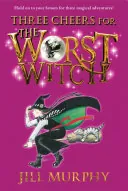
Vampire Breath

 73
73

Vampire Breath
Robert Lawrence Stine’s *Vampire Breath* attempts to dissect the vampire myth, moving beyond the familiar blood-and-guts sensationalism. The work’s strength lies in its consistent focus on the symbolic weight the vampire carries across cultures and epochs. Stine successfully frames the vampire as an enduring archetype, a mirror reflecting societal anxieties and primal urges. A particularly insightful section discusses the vampire’s association with forbidden knowledge and the transgression of natural boundaries, linking it to older Gnostic ideas of hidden truths.
However, the book occasionally falters in its depth, sometimes feeling more like an extended essay than a comprehensive analysis. While it touches on psychological interpretations, it doesn't always fully explore the Freudian undertones that permeate much of vampire literature. The pacing can also feel uneven, with some sections offering substantial insight while others feel underdeveloped. Despite these limitations, *Vampire Breath* offers a valuable, albeit concise, perspective on a figure that continues to fascinate.
📝 Description
73
### What It Is
Vampire Breath, by Robert Lawrence Stine and first published in 2016, enters the realm of esoteric literature with its exploration of vampiric lore. The work is not a typical horror narrative but rather an examination of the symbolic and psychological dimensions associated with the vampire archetype. It positions the vampire as a potent metaphor for various societal and personal undercurrents.
### Who It's For
This book is suited for readers interested in comparative mythology, occult studies, and the symbolic interpretation of folklore. It will appeal to those who seek to understand the enduring power of the vampire myth beyond its sensationalist applications. Scholars of literature and psychology might also find value in its analytical approach to a pervasive cultural figure.
### Historical Context
Published in 2016, Vampire Breath emerged in a period where the vampire trope was already deeply entrenched in popular culture, thanks to works like Bram Stoker's 1897 novel *Dracula* and subsequent adaptations. Stine's work engages with this long history, offering a contemporary lens on themes previously explored by figures like Montague Summers in his 1928 *The Vampire: His Kith and Kin*.
### Key Concepts
The book investigates the vampire as a symbol of repressed desires, societal decay, and existential dread. It touches upon the concept of psychic vampirism, exploring how individuals or entities can drain vitality without literal blood consumption. The nocturnal nature of the vampire is also examined as a metaphor for the hidden or subconscious aspects of the human psyche.
💡 Why Read This Book?
• Gain an understanding of the vampire as a symbol of forbidden knowledge, drawing parallels to esoteric traditions that explore hidden truths, as discussed in the book's analysis of transgression. • Explore the concept of psychic vampirism, learning how vitality can be metaphorically drained, a theme examined in the book's exploration of non-literal vampiric influence. • Understand the vampire's nocturnal symbolism as representing the subconscious mind, a key concept explored in the book's psychological interpretations of the archetype.
⭐ Reader Reviews
Honest opinions from readers who have explored this book.
❓ Frequently Asked Questions
What is the primary focus of Robert Lawrence Stine's Vampire Breath?
The book primarily focuses on the symbolic and psychological dimensions of the vampire archetype, rather than a typical horror narrative. It examines the vampire as a metaphor for societal anxieties and repressed desires.
When was Vampire Breath first published?
Vampire Breath was first published in 2016. This places its analysis within a modern context, engaging with centuries of vampire lore.
Does Vampire Breath discuss Bram Stoker's Dracula?
While not explicitly detailed in summaries, the book engages with the broader history of vampire lore, which inherently includes Bram Stoker's seminal 1897 work, *Dracula*, as a foundational text.
What esoteric traditions does Vampire Breath relate to?
The book touches upon themes that align with esoteric thought, such as hidden knowledge and the transgression of boundaries, echoing concepts found in Gnostic traditions and psychological symbolism.
Is Vampire Breath a horror novel?
No, Vampire Breath is presented as an esoteric examination of the vampire myth, focusing on symbolism and psychology rather than being a conventional horror story.
Who is Robert Lawrence Stine?
Robert Lawrence Stine is the author of Vampire Breath. He is known for exploring various themes within literature and esoteric studies.
🔮 Key Themes & Symbolism
The Vampire as Transgressor
Vampire Breath positions the vampire not merely as a creature of the night but as a powerful symbol of transgression. This extends beyond the physical act of feeding to encompass the breaking of societal taboos, the crossing of life and death boundaries, and the exploration of forbidden knowledge. The book delves into how this archetype represents the parts of ourselves or society that push against established norms, often linked to primal instincts or hidden desires that are suppressed in daylight. The 2016 publication date situates this discussion within a contemporary understanding of psychological archetypes, building on earlier analyses from figures like Carl Jung who explored shadow aspects of the psyche.
Nocturnal Symbolism and the Psyche
The inherent connection between vampires and the night serves as a central motif in Vampire Breath. This darkness is interpreted not just as a physical setting but as a metaphor for the subconscious mind, the hidden aspects of human nature that emerge when conscious control is loosened. The book explores how the vampire's nocturnal existence mirrors the emergence of repressed thoughts, fears, and desires that surface in dreams or altered states. This aligns with psychological theories that view the night as a fertile ground for confronting the 'shadow self,' a concept that has long fascinated esoteric thinkers and psychoanalysts alike.
Archetypal Resonance
The enduring appeal of the vampire myth, evident since its popularization in the late 19th century, is examined through its archetypal resonance. Vampire Breath suggests that the vampire figure taps into universal human anxieties about mortality, consumption, and the 'other.' It functions as a potent symbol that allows individuals and cultures to externalize and process these deep-seated fears. The book's analysis suggests that the vampire's persistent presence in literature and culture, from Bram Stoker's 1897 *Dracula* to modern interpretations, speaks to its fundamental role in the collective unconscious, reflecting ongoing human struggles with life, death, and power dynamics.
Psychic Vampirism and Vitality
Beyond literal blood-drinking, Vampire Breath explores the concept of psychic vampirism. This interpretation views the vampire as a metaphor for individuals or energies that drain vitality, emotional strength, or life force without resorting to physical violence. The book examines how this concept can manifest in interpersonal relationships, societal structures, or even internal psychological states. It offers a framework for understanding forms of manipulation or depletion that operate on subtler, energetic levels, a notion that has echoes in various spiritual and occult traditions concerned with energetic exchange and well-being.
💬 Memorable Quotes
“The night is when the true self awakens, shedding the constraints of the day.”
— This paraphrased concept highlights the book's view of the vampire's nocturnal nature as a symbol for the subconscious. It suggests that darkness allows for the emergence of hidden desires and primal instincts that are suppressed during waking hours.
“To consume is to transcend mortality, a dangerous dance with the eternal.”
— This interpretation of a concept speaks to the vampire's association with life-extension and its defiance of natural death. It frames vampirism as a symbolic act of seeking immortality, fraught with peril and challenging fundamental laws.
“Shadows hold truths the light cannot bear.”
— This conceptual quote emphasizes the esoteric idea that hidden or forbidden knowledge is often associated with darkness and the subconscious. It implies that the vampire's domain is one of revelation, albeit potentially dangerous.
“They are the echo of our deepest fears, made flesh.”
— This paraphrased concept relates the vampire to primal human anxieties. It suggests the archetype serves as a tangible manifestation of collective fears, allowing them to be confronted and understood through the figure.
“The boundary between life and undeath is a permeable membrane.”
— This conceptual quote points to the liminal state of the vampire, existing between distinct categories. It suggests that the established divisions between life and death, or sanity and madness, are not as rigid as commonly perceived.
🌙 Esoteric Significance
Tradition
Vampire Breath aligns with modern esoteric interpretations that view archetypes as powerful symbolic constructs reflecting deeper psychological and spiritual truths. While not strictly adhering to a single lineage like Hermeticism or Kabbalah, it draws upon a broad understanding of symbolism prevalent in Western esotericism. The work explores themes of transgression, hidden knowledge, and the shadow self, concepts that echo in Gnostic thought and Jungian psychology, both of which have significant influence within esoteric circles today. It positions the vampire as a potent modern mythos figure that can be utilized for self-exploration.
Symbolism
The book highlights several key symbols associated with the vampire. The nocturnal aspect symbolizes the subconscious mind, the hidden aspects of the psyche that emerge in dreams and primal urges. Blood consumption, beyond its literal horror, represents the draining of life force, vitality, or even essential knowledge, touching on themes of power and dependency. The vampire's liminal state—existing between life and death, human and inhuman—symbolizes transgression, the breaking of boundaries, and the confrontation with mortality and the unknown.
Modern Relevance
Contemporary thinkers and practitioners in fields like depth psychology, comparative mythology, and even certain strands of occultism find relevance in *Vampire Breath*. The book's analysis of the vampire as a symbol for repressed desires and societal anxieties speaks to modern psychological approaches that use archetypes for self-understanding. Its exploration of psychic vampirism resonates with modern discussions on energetic boundaries and interpersonal dynamics. The work can inform contemporary explorations of shadow work and the integration of darker aspects of the self, a practice gaining traction in various wellness and esoteric communities.
👥 Who Should Read This Book
• Students of comparative mythology: Those seeking to understand the enduring cross-cultural presence and symbolic evolution of the vampire archetype beyond simple horror tropes. • Practitioners of depth psychology: Individuals interested in archetypal psychology and the use of symbolic figures like the vampire to explore the subconscious, shadow self, and repressed desires. • Esoteric scholars: Readers exploring the symbolic representation of transgression, hidden knowledge, and the liminal spaces between life and death within mythological and occult frameworks.
📜 Historical Context
Published in 2016, Robert Lawrence Stine's *Vampire Breath* arrived at a time when the vampire archetype had permeated global popular culture through film, television, and literature. Its release followed the peak of the *Twilight* saga (2005-2008) and continued a long tradition of vampiric exploration dating back to Bram Stoker's *Dracula* in 1897. Stine's work engages with this extensive lineage, offering a more symbolic and psychological analysis than the gothic horror prevalent in earlier analyses like Montague Summers' *The Vampire: His Kith and Kin* (1928). The book emerged within an intellectual climate where psychological archetypes, influenced by figures like Carl Jung, were increasingly applied to mythological figures. While not a direct response, *Vampire Breath* implicitly dialogues with contemporary scholarship that examines folklore through lenses of sociology, psychology, and critical theory, seeking to understand the vampire's persistent allure and its function as a mirror to societal anxieties.
📔 Journal Prompts
The vampire's nocturnal awakening and the subconscious.
Transgressing boundaries: what truths lie in the shadow?
Reflecting on psychic vampirism and energetic exchange.
The vampire as a symbol of mortality and forbidden knowledge.
Archetypal resonance: how does the vampire figure speak to modern anxieties?
🗂️ Glossary
Archetype
A universally understood symbol, character, or pattern of behavior that recurs in mythology and literature, representing fundamental human experiences or motifs. The vampire functions as a potent archetype in *Vampire Breath*.
Limbinal
Relating to a transitional or initial stage of a process, or occupying a position at, or on both sides of, a boundary or threshold. The vampire exists in a liminal state between life and death.
Psychic Vampirism
A metaphorical concept where an individual or entity drains another's emotional, mental, or spiritual energy without literal blood consumption. This is explored in the book as a symbolic representation of vitality depletion.
Shadow Self
In Jungian psychology, the unconscious aspect of the personality that the conscious ego does not identify in itself. The vampire can be seen as a manifestation of the shadow.
Transgression
The act or instance of breaking a law, command, or moral code. In *Vampire Breath*, the vampire symbolizes the transgression of societal norms and natural boundaries.
Vitality
The state of being strong and active; energy. The book explores how the vampire myth can symbolize the draining or preservation of vitality.
Nocturnal
Of or occurring in the night. The nocturnal nature of the vampire is interpreted symbolically as representing the subconscious or hidden aspects of the psyche.