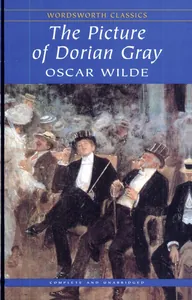
The Picture of Dorian Gray and Other Stories

 75
75

The Picture of Dorian Gray and Other Stories
Ophelia Vance here. Wilde's *The Picture of Dorian Gray* remains a potent, if sometimes heavy-handed, examination of vanity's corrosive effects. The novel's central conceit—a portrait aging while its subject remains eternally youthful—is undeniably striking, serving as a visual metaphor for Dorian's moral deterioration. Wilde's prose sparkles with epigrammatic wit, particularly in the dialogues featuring Lord Henry Wotton, who acts as the seductive philosophical catalyst. However, the narrative occasionally falters under the weight of its own allegory, with certain passages feeling overly didactic. The inclusion of other stories, while offering variety, doesn't quite match the singular impact of the novel. The work’s exploration of the Faustian bargain for eternal youth and beauty is its enduring strength, even as the explicit moralizing can feel dated to a modern reader. It offers a fascinating, albeit cautionary, glimpse into the decadent spirit of the late 19th century.
📝 Description
75
### What It Is
This collection presents Oscar Wilde's singular novel, *The Picture of Dorian Gray*, alongside a selection of his shorter works, offering a glimpse into the author's engagement with aestheticism and the darker currents of human psychology. While *Dorian Gray* itself, first published in 1890 (and revised in 1891), is a foundational text in decadent literature, its inclusion with other stories provides a broader perspective on Wilde's narrative voice and thematic preoccupations.
### Who It's For
Readers interested in the fin-de-siècle literary scene, philosophical explorations of beauty and morality, and the psychological underpinnings of aestheticism will find this volume compelling. It appeals to those who appreciate sophisticated prose and narratives that challenge conventional notions of virtue and vice. Individuals seeking to understand the context of Wilde's own life and the societal reception of his work will also benefit.
### Historical Context
Oscar Wilde's *The Picture of Dorian Gray* emerged during the late Victorian era, a period marked by strict social mores juxtaposed with burgeoning artistic and intellectual movements. The novel's exploration of aestheticism, a philosophy prioritizing art and beauty above all else, directly challenged the prevailing moralistic literary trends. Wilde himself was a prominent figure in this movement, advocating for "art for art's sake." The work's initial reception was controversial, with critics decrying its perceived immorality and homoerotic undertones, contributing to Wilde's later legal troubles in 1895.
### Key Concepts
The collection engages with concepts such as the duality of human nature, the corrupting influence of vanity, and the relationship between art, life, and morality. The titular character, Dorian Gray, becomes a vessel for exploring the consequences of a life lived solely in pursuit of sensory experience, detached from ethical consideration. The motif of the enchanted portrait serves as a potent symbol for the hidden decay beneath a beautiful facade, a central tenet in understanding the novel's critique of superficial appearances.
💡 Why Read This Book?
• You will gain an understanding of the aesthetic movement's philosophical underpinnings, specifically through the character of Lord Henry Wotton and his influence on Dorian Gray in the 1890 novel. • You will explore the symbolic representation of sin and aging through the enchanted portrait, a concept central to the narrative of *The Picture of Dorian Gray*. • You will encounter Oscar Wilde's distinctive epigrammatic style and his exploration of morality versus beauty, particularly as debated in the salons of late Victorian London.
⭐ Reader Reviews
Honest opinions from readers who have explored this book.
❓ Frequently Asked Questions
When was Oscar Wilde's *The Picture of Dorian Gray* first published?
Oscar Wilde's novel *The Picture of Dorian Gray* was first published in a shorter form in Lippincott's Monthly Magazine in 1890, with a revised and expanded version appearing in 1891.
What is the primary philosophical movement associated with *The Picture of Dorian Gray*?
The primary philosophical movement associated with the novel is Aestheticism, which championed "art for art's sake" and prioritized beauty and sensory experience above moral or didactic concerns.
Who is the character responsible for influencing Dorian's hedonistic lifestyle?
Lord Henry Wotton is the character who most significantly influences Dorian Gray, introducing him to a philosophy of hedonism and the pursuit of new sensations.
What does the portrait in the story symbolize?
The portrait symbolizes Dorian Gray's soul and the physical manifestation of his sins and moral decay, aging and corrupting while Dorian himself remains youthful.
Were there other stories by Oscar Wilde included in this edition?
Yes, this collection typically includes *The Picture of Dorian Gray* alongside other shorter works by Oscar Wilde, showcasing his diverse literary output.
What was the critical reception of *The Picture of Dorian Gray* upon its release?
Upon its release in 1890, *The Picture of Dorian Gray* was met with considerable controversy and condemnation from many critics who viewed its content as immoral and decadent.
🔮 Key Themes & Symbolism
The Corrupting Nature of Vanity
The collection, particularly *The Picture of Dorian Gray*, scrutinizes the destructive power of vanity. Dorian's obsession with his own beauty leads him to make a pact to preserve his youth at any cost, setting in motion a descent into moral depravity. This theme explores how an excessive focus on superficial appearance can erode one's ethical compass, turning the pursuit of aesthetic perfection into a path of spiritual decay and ultimately, ruin. The narrative serves as a stark warning against valuing surface over substance.
Aestheticism and Its Discontents
Wilde's work is deeply embedded in the Aesthetic movement of the late 19th century, which championed "art for art's sake." The stories explore the philosophy that art and beauty are the ultimate values, divorced from morality. However, *The Picture of Dorian Gray* also subtly critiques this stance by demonstrating the potential for such a philosophy to justify hedonism and irresponsibility, leading to profound personal and societal consequences. It questions whether a life dedicated solely to beauty can truly be fulfilling or ethically sound.
The Duality of Human Nature
A central motif is the stark dichotomy between outward appearance and inner reality. Dorian Gray maintains a youthful, beautiful exterior while his soul, depicted by the decaying portrait, bears the weight of his sins. This theme highlights the hidden corruption that can exist beneath a polished facade, a common concern in Victorian literature. It suggests that true self-knowledge requires confronting one's darker impulses, rather than hiding them behind a mask of perfection.
The Price of Immortality and Youth
The collection delves into the Faustian bargain, where the desire for eternal youth and beauty comes at a terrible price. Dorian Gray's wish grants him physical immortality but condemns his soul to a hidden, monstrous existence. This narrative arc explores the inherent dangers of seeking to escape natural life cycles and the consequences of attempting to cheat mortality, suggesting that such pursuits lead not to liberation but to profound spiritual and psychological torment.
💬 Memorable Quotes
“There is hardly anything in the world less consoling than honest affection.”
— This cynical observation from Lord Henry Wotton suggests a disillusionment with genuine emotional connection, positing that the complexities and potential pains of true affection offer little comfort, perhaps implying a preference for detached observation or superficial relationships.
“The only way to get rid of a temptation is to yield to it.”
— A hallmark of Lord Henry's philosophy, this statement advocates for embracing desires rather than resisting them. It suggests that repression is futile and that confronting temptation directly, even through indulgence, is the only way to overcome its power.
“Beauty is the only thing that time cannot harm. ... Philosophy can explain nothing. Usually we are shown things that we think are beautiful, and then we are told that they are not beautiful.”
— This reflects the Aesthetic philosophy that beauty is an ultimate, immutable value, untouched by the ravages of time, unlike more ephemeral concepts like reason or morality. It critiques the subjective and often contradictory judgments made about aesthetics.
“It is absurd to divide people into clever and stupid. People are either charming or tedious.”
— This aphorism highlights Wilde's focus on social graces and personal magnetism over intellectual prowess as the defining characteristic of a person. It prioritizes charm and engaging personality in social interactions.
“Behind every beautifull thing, there is some kind of suffering.”
— This poignant interpretation suggests that true beauty, particularly the kind found in art or profound experience, often arises from or is accompanied by deep emotional struggle or pain, challenging the notion of effortless perfection.
🌙 Esoteric Significance
Tradition
The work aligns with certain Hermetic and Gnostic undercurrents concerning the duality of appearance and reality, and the corruption of the divine spark within humanity. While not explicitly occult, its exploration of a pact for eternal youth and the soul's hidden decay echoes themes found in alchemical and occult narratives about spiritual transformation and its perils. It departs from traditional esoteric texts by focusing on psychological and social consequences rather than explicit magical practices.
Symbolism
The enchanted portrait is a potent symbol of the hidden self or soul, bearing the marks of sin and age that the physical body avoids. The motif of the yellow book, which Lord Henry gives Dorian, represents forbidden knowledge or corrupting influence, a common trope in literature exploring dangerous intellectual pursuits. The fading beauty of flowers, often mentioned, symbolizes the transient nature of physical perfection and the inevitable decay that Dorian attempts to escape.
Modern Relevance
Contemporary thinkers and practitioners in fields like Jungian psychology, which explores the shadow self (analogous to the portrait), draw parallels with Dorian's journey. The novel's themes of narcissism, the superficiality of celebrity culture, and the ethical implications of pursuing pleasure without consequence continue to resonate in discussions about identity, consumerism, and the impact of media on self-perception.
👥 Who Should Read This Book
• Students of late Victorian literature and the Aesthetic movement will find value in its direct engagement with the era's artistic philosophies and societal critiques. • Readers interested in psychological narratives exploring themes of duality, sin, and the consequences of hedonism will appreciate the novel's depth. • Those exploring the intersection of art, morality, and personal identity will find a rich text for contemplation on the price of beauty and youth.
📜 Historical Context
Oscar Wilde's *The Picture of Dorian Gray* emerged in 1890, a pivotal year for both the author and the literary landscape of late Victorian England. The novel was a product of the Aesthetic movement, which championed "art for art's sake" and challenged the era's dominant moralistic and utilitarian literary values. Wilde, a leading proponent of Aestheticism, penned the novel for *Lippincott's Monthly Magazine*, a publication known for its willingness to feature more daring content. Its initial publication provoked scandal and outrage, with critics like Robert Sherard in the *National Observer* denouncing its perceived decadence and immorality. This controversy foreshadowed the legal battles Wilde would face just a few years later in 1895, leading to his imprisonment. Contemporaries like George Bernard Shaw, while not directly engaging with the novel's themes, represented a different intellectual current with his socialist critiques and engagement with Ibsen.
📔 Journal Prompts
Dorian Gray's portrait as a symbol of the unacknowledged shadow self.
The allure and danger of Lord Henry Wotton's philosophies.
Reflecting on the tension between aesthetic beauty and moral integrity.
The consequences of seeking to escape the natural cycle of aging and decay.
Analyzing the societal pressures that influenced the characters' actions in late Victorian London.
🗂️ Glossary
Aestheticism
An artistic and intellectual movement originating in the late 19th century, emphasizing the principle of "art for art's sake" and prioritizing beauty and sensory gratification over moral or social utility.
Fin-de-siècle
A French term meaning "end of the century," referring to the cultural, artistic, and intellectual climate of the late 19th century, often characterized by decadence, anxiety, and a fascination with the morbid.
Decadence
A literary and artistic movement characterized by artificiality, self-indulgence, and a fascination with the morbid, the perverse, and the unnatural, often seen as a reaction against bourgeois values.
Hedonism
The ethical theory that pleasure (in the sense of the satisfaction of desires) is the highest good and proper aim of human life. In the context of the novel, it refers to the pursuit of pleasure and sensory experience above all else.
Epigram
A concise, witty, and often paradoxical statement that expresses a clever observation or idea, a stylistic hallmark of Oscar Wilde's writing.
Faustian Bargain
A deal with the devil or a similar supernatural entity, typically involving the exchange of one's soul for knowledge, power, or worldly pleasures, famously depicted in Goethe's play *Faust*.
Gnosticism
A complex set of religious ideas and systems originating in the first centuries AD, emphasizing spiritual knowledge (gnosis) for salvation and often positing a dualistic worldview where the material world is seen as flawed or evil.