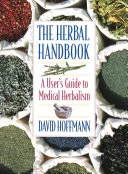
The Herbal Handbook
 71
71

The Herbal Handbook
Hoffmann’s "The Herbal Handbook" offers a remarkably thorough grounding in plant medicine, a welcome antidote to the often superficial treatments found elsewhere. Its strength lies in its systematic approach, detailing not only what herbs to use but how to grow, dry, and prepare them – a crucial, often overlooked, aspect. The reference section, listing effects and prescriptions, is particularly valuable for practical application. However, the book sometimes feels overly encyclopedic, occasionally sacrificing narrative flow for sheer comprehensiveness. A passage discussing the preparation of tinctures, for instance, is technically precise but could benefit from more illustrative examples of its application in treating specific conditions beyond a general listing. Despite this, it remains an indispensable resource for serious students of herbalism.
📝 Description
71
### What It Is David Hoffmann's "The Herbal Handbook" serves as a comprehensive and practical guide to the vast world of herbal medicine. Originally published in 1998, this work meticulously details the history and contemporary applications of herbalism, drawing from diverse traditions such as Chinese, Native American, and Welsh practices. It offers a clear framework for understanding plant-based remedies, moving from foundational knowledge to practical application.
### Who It's For This handbook is essential for anyone seeking a grounded understanding of herbal medicine, whether they are novice practitioners, experienced herbalists, or simply individuals curious about natural healing. It caters to those who wish to learn about growing, preparing, and utilizing herbs for various ailments. Its practicality makes it suitable for home use, while its depth appeals to those studying ethnobotany or comparative medicine.
### Historical Context The book engages with the long lineage of herbal healing, acknowledging influences that stretch back centuries. It specifically mentions the historical significance of practices from various cultures, including Chinese and Native American traditions, placing modern herbalism within a global ethnobotanical context. The first edition's publication in 1998 positions it as a product of a resurgence in interest in natural health and holistic therapies that gained momentum in the late 20th century.
### Key Concepts Central to "The Herbal Handbook" is the concept of plant materia medica, detailing the medicinal properties and applications of numerous herbs. It emphasizes a holistic approach, covering not just the use of herbs but also their cultivation, harvesting, and preservation. The work also highlights the importance of understanding the historical and cultural roots of herbal practices, suggesting that knowledge of these traditions enriches contemporary application.
💡 Why Read This Book?
• Gain practical knowledge for cultivating, harvesting, and preserving herbs, enabling you to prepare your own remedies from scratch, as detailed in the chapters on growing and drying. • Understand the historical and cultural roots of herbalism, including specific influences from Chinese and Native American traditions, enriching your appreciation for plant medicine's global heritage. • Develop a practical reference for treating a wide range of ailments using specific herbs, with clear prescriptions and usage guidelines, empowering you to address common health concerns naturally.
⭐ Reader Reviews
Honest opinions from readers who have explored this book.
❓ Frequently Asked Questions
When was David Hoffmann's "The Herbal Handbook" first published?
David Hoffmann's "The Herbal Handbook" was first published on February 1, 1998. This initial release established its foundation as a comprehensive guide to herbal medicine.
What cultural influences on herbalism does the book cover?
The book explores the historical and modern practice of herbalism, specifically mentioning influences from Chinese, Native American, and Welsh traditions, offering a broad perspective on plant medicine.
Does "The Herbal Handbook" include information on growing herbs?
Yes, "The Herbal Handbook" covers the fundamentals of growing, drying, and storing herbs, providing a complete cycle of knowledge from cultivation to application.
What kind of practical information is available for using herbs?
The handbook features a practical reference section that lists the effects of various herbs and offers specific prescriptions on how to use them for a wide range of illnesses.
How does the book differentiate itself from other herbal guides?
Its comprehensiveness and practical focus, including cultivation and preparation alongside medicinal uses, and its grounding in diverse historical traditions like Chinese and Native American, set it apart.
Is "The Herbal Handbook" suitable for beginners?
Absolutely. With its clear explanations of growing, drying, storing, and cooking with herbs, alongside a practical reference for ailments, it serves as an excellent starting point for beginners.
🔮 Key Themes & Symbolism
Ethnobotanical Traditions
This work extensively documents the historical and contemporary applications of herbalism, drawing significant parallels and connections between diverse cultural practices. Hoffmann highlights the deep roots of plant medicine within traditions such as Chinese herbalism, with its sophisticated diagnostic systems, and the rich, often orally transmitted, knowledge of Native American cultures. By examining these varied lineages, the book underscores that herbalism is not a monolithic practice but a global, evolving system of healing informed by centuries of empirical observation and spiritual connection to the plant kingdom.
Holistic Cultivation and Preparation
Beyond mere medicinal properties, "The Herbal Handbook" emphasizes the complete lifecycle of herbs. It provides detailed guidance on growing, harvesting, drying, and storing plants, recognizing that the quality and potency of a remedy are directly linked to these foundational practices. This holistic approach extends to preparation methods, offering practical prescriptions for various ailments. The book advocates for a hands-on relationship with plants, encouraging users to understand them from seed to tincture or salve.
Practical Materia Medica
A core component of the handbook is its extensive materia medica, a systematic catalog of medicinal herbs. Each entry typically details the herb's properties, indications, contraindications, and specific dosages or preparations. This section functions as a vital reference for practitioners and home users alike, providing actionable information for addressing a broad spectrum of health concerns. The clarity and directness of these entries make the complex field of herbal therapeutics more accessible.
The Alchemy of Everyday Plants
Hoffmann presents a view of herbalism that connects the esoteric with the mundane, transforming everyday plants into potent agents of healing. This perspective hints at an underlying alchemical process, where the inherent energies and properties of plants are carefully extracted and applied for therapeutic benefit. The book demystifies this process, making the 'magic' of herbal remedies accessible through practical knowledge and respectful engagement with the botanical world.
💬 Memorable Quotes
“The history and modern practice of herbalism includes Chinese, Native American, and Welsh influences.”
— This statement frames herbal medicine not as a singular Western practice, but as a global phenomenon with diverse, deeply rooted traditions that continue to inform contemporary understanding and application.
“Includes a practical reference section listing the effects of various herbs, with prescriptions on how to use them for a wide range of illnesses.”
— This highlights the book's utility as a hands-on guide, moving beyond theoretical knowledge to provide actionable advice for self-care and the treatment of common ailments using plant-based remedies.
“Covers the fundamentals of growing, drying, storing, and cooking with herbs.”
— This emphasizes the comprehensive nature of the handbook, advocating for a complete understanding of herbs from cultivation through to culinary and medicinal use, promoting a connection to the entire plant lifecycle.
“Over 45,000 copies of previous edition sold.”
— This statistic speaks to the enduring popularity and perceived value of Hoffmann's work, indicating a significant readership and trust in the information provided over multiple editions.
“A compendium of herbal knowledge, both historical and practical.”
— This concise summary positions the book as an authoritative collection, merging historical context with immediate, usable information for those interested in herbal medicine.
🌙 Esoteric Significance
Tradition
While primarily a practical guide, "The Herbal Handbook" can be seen as interfacing with folk herbalism and nature-based spirituality traditions. It aligns with the Hermetic principle of "As Above, So Below," by demonstrating the interconnectedness between the macrocosm (natural world) and the microcosm (human health). Its emphasis on the inherent properties and energetic qualities of plants touches upon older traditions of plant alchemy and sympathetic magic, though presented through a modern, scientific lens.
Symbolism
The very act of cultivating, harvesting, and preparing herbs carries symbolic weight, representing a connection to the cycles of nature, the elements, and the life force (prana or chi) inherent in plants. Specific herbs themselves often carry rich symbolic meanings within various cultures—for instance, rosemary for remembrance or sage for purification—which, though not always explicitly detailed in a mystical sense, inform the user's interaction with these plants.
Modern Relevance
Contemporary practitioners of bioregional herbalism and those focused on wildcrafting often draw upon the foundational knowledge presented in Hoffmann’s work. Its emphasis on understanding plant identification, habitat, and sustainable harvesting aligns with modern ecological and ethical concerns within herbalism. Thinkers and practitioners focused on accessible, community-based health solutions find its practical, non-dogmatic approach highly relevant.
👥 Who Should Read This Book
• Aspiring herbalists seeking a comprehensive introduction to plant medicine, covering cultivation, preparation, and therapeutic applications. • Homeopathic practitioners and naturopaths looking to expand their knowledge base with detailed materia medica and historical context. • Individuals interested in ethnobotany and comparative medicine, wanting to understand the global history and diverse cultural influences on herbal healing practices.
📜 Historical Context
Published in 1998, David Hoffmann's "The Herbal Handbook" emerged during a period of burgeoning interest in natural health and alternative therapies. The late 20th century saw a growing counter-cultural movement that questioned conventional medicine and sought wisdom in traditional practices. Hoffmann’s work tapped into this zeitgeist, presenting a systematic and accessible approach to herbalism. It was a time when figures like Andrew Weil were popularizing integrative medicine, and there was a renewed appreciation for ethnobotany. While not overtly occult, its detailed exploration of plant properties and historical uses resonated with a broader esoteric audience seeking grounded, nature-based spiritual and healing practices. The book's success, evidenced by sales of its previous edition, indicates it filled a perceived gap for practical, well-researched herbal knowledge in a market often saturated with less rigorous guides.
📔 Journal Prompts
The historical influences of Chinese, Native American, and Welsh traditions on modern herbalism.
The practical steps for growing, drying, and storing herbs effectively.
Specific herb prescriptions for common ailments discussed in the reference section.
Personal reflections on the connection between plant cultivation and personal well-being.
The role of ethnobotanical knowledge in contemporary health practices.
🗂️ Glossary
Materia Medica
A body of knowledge and reference material concerning the properties, uses, and preparation of medicinal drugs, particularly those derived from plants in the context of herbalism.
Ethnobotany
The scientific study of the relationships between people and plants, including how cultures use plants for medicine, food, and other purposes.
Tincture
An herbal preparation made by steeping plant material in alcohol or another solvent to extract active compounds, typically used in small doses.
Infusion
A medicinal tea made by steeping plant parts, usually leaves or flowers, in hot water for a short period, designed to extract volatile compounds.
Decoction
A strong herbal preparation made by simmering harder plant materials like roots, bark, or seeds in water for an extended period to extract medicinal properties.
Prescription (Herbal)
Specific instructions detailing which herb(s) to use, the dosage, the method of preparation, and the frequency of administration for a particular health condition.
Holistic
An approach that considers the whole person—mind, body, and spirit—rather than just the symptoms of a disease, in healing and treatment.