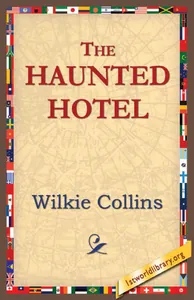
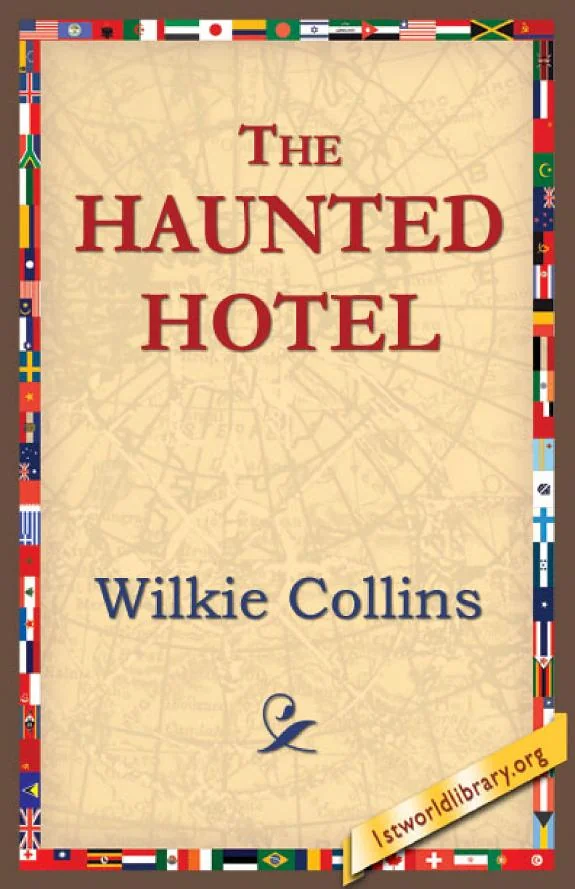
The Haunted Hotel
 83
83

The Haunted Hotel
Wilkie Collins's "The Haunted Hotel" presents a curious case: a narrative constructed with his familiar skill for intricate plotting, yet one that feels somewhat less assured than his masterpieces. The epistolary structure, while initially engaging, can occasionally lead to narrative diffusion, requiring careful attention to track the manifold perspectives. However, the novel excels in its atmospheric rendering of the titular hotel, making the very building a source of dread and mystery. A particular strength lies in the subtle way Collins imbues the setting with a palpable sense of unease, suggesting that the true hauntings are as much psychological as spectral. The character of Agnes Lockwood, though sometimes passive, serves as a compelling focal point for the unfolding drama. While the resolution may feel somewhat drawn out for modern sensibilities, the journey through its labyrinthine plot is undeniably a Collinsian experience. It's a solid, if not top-tier, example of his late-career work, offering a chilling glimpse into the anxieties of the era.
📝 Description
83
Wilkie Collins's "The Haunted Hotel," likely written before 1925, is a late Victorian sensation novel.
This novel centers on Agnes Lockwood's engagement to the mysterious Lord Montgerron and his family estate, the "Haunted Hotel." The narrative unfolds through a collection of letters, diaries, and testimonies, presenting a fragmented, polyvocal account of the tragic events tied to the hotel and its inhabitants. Collins uses his skill for suspense and complex plotting to examine themes of inheritance, deception, and the lasting impact of past misdeeds. The story focuses on psychological suspense and subtle supernatural elements, rather than overt horror.
The book will appeal to those interested in 19th-century gothic fiction and early works exploring the uncanny. Its clue-driven narrative, maintained through epistolary and fragmented storytelling, is particularly suited for readers who appreciate intricate plots. Scholars of Victorian popular fiction, especially the sensation novel genre, will find it a useful examination of the period's narrative techniques and thematic concerns.
Published in an era captivated by spiritualism, "The Haunted Hotel" reflects a wider Victorian and Edwardian fascination with the paranormal. This period saw figures like Arthur Conan Doyle engage with séances and spirit photography, and Bram Stoker's "Dracula" tapped into anxieties about the ancient. Collins, already known for his intricate sensation novels, placed this story within a milieu where the boundaries between the natural and supernatural were actively being explored in literature and society.
💡 Why Read This Book?
• Gain insight into the Victorian sensation novel's mechanics by analyzing the epistolary structure of "The Haunted Hotel," noting how fragmented testimonies build suspense around Lord Montgerron. • Understand the cultural impact of spiritualism in the late 19th century by examining how Collins incorporates spectral events and inherited curses as plot devices. • Appreciate Collins's nuanced portrayal of psychological suspense, observing how the "Haunted Hotel" itself functions as a symbol of repressed trauma and ancestral guilt.
⭐ Reader Reviews
Honest opinions from readers who have explored this book.
❓ Frequently Asked Questions
When was "The Haunted Hotel" by Wilkie Collins originally published?
While the edition available through Esoteric Library was first published in 1925, the exact original publication date of "The Haunted Hotel" by Wilkie Collins is less definitively documented, but it belongs to his later works from the late 19th century.
What is the primary genre of "The Haunted Hotel"?
The primary genre is the Victorian sensation novel, characterized by mystery, suspense, melodrama, and often elements of the uncanny or supernatural, as seen in Collins's other works.
Who are the main characters in "The Haunted Hotel"?
Key characters include Agnes Lockwood, the protagonist whose engagement drives the plot, and the enigmatic Lord Montgerron, whose family estate, the "Haunted Hotel," is central to the mystery.
Does "The Haunted Hotel" feature overt supernatural elements?
The novel features spectral occurrences and a pervasive sense of unease, but these elements are often subtly woven into the psychological drama, blurring the lines between the supernatural and the characters' perceptions.
What themes are explored in Wilkie Collins's "The Haunted Hotel"?
Major themes include inheritance (both material and psychological), deception, the unreliability of perception, ancestral curses, and the lingering impact of past secrets on the present.
Is "The Haunted Hotel" available online for free?
As a work from the public domain, "The Haunted Hotel" by Wilkie Collins is widely available for free online through various digital archives and libraries.
🔮 Key Themes & Symbolism
The Unreliable Narrator
Collins masterfully employs a fragmented narrative structure in "The Haunted Hotel," piecing together events through letters, diaries, and testimonies. This technique deliberately foregrounds the unreliability of individual perspectives, forcing the reader to question the "truth" of what is presented. Characters like Agnes Lockwood and Lord Montgerron offer conflicting accounts, highlighting how memory, bias, and personal agendas shape our understanding of reality. The spectral events themselves become subject to interpretation, mirroring the inherent subjectivity in human experience and the difficulty of discerning objective fact from subjective impression.
Inherited Guilt and Curses
The "Haunted Hotel" is more than just a setting; it is a vessel for ancestral sin and unresolved trauma. The novel explores the idea that past transgressions can cast long shadows, affecting subsequent generations. Lord Montgerron's family is burdened by a legacy of secrets and misfortune, symbolized by the spectral phenomena that plague the estate. This theme resonates with Victorian anxieties about lineage and the potential for inherited taint, suggesting that one cannot escape the sins of their forebears. The supernatural manifestations serve as externalizations of this internal, inherited burden.
Psychological vs. Supernatural
A central tension in "The Haunted Hotel" lies in the ambiguity between psychological distress and genuine supernatural activity. Are the strange occurrences at the hotel products of spectral entities, or are they manifestations of the characters' heightened anxieties, guilt, and repressed desires? Collins often leaves this question deliberately unanswered, creating a chilling effect. The atmosphere of dread and mystery is built through suggestion and implication, forcing the reader to confront their own threshold for belief and the porous boundary between the rational and the uncanny.
The Sensation Novel Framework
As a prominent example of the sensation novel genre, "The Haunted Hotel" utilizes sensational plot devices, intricate mysteries, and a focus on dramatic revelations. The narrative unfolds with a deliberate pace, employing cliffhangers and suspenseful plotting to keep the reader engaged. This genre, popular in the mid-to-late 19th century, often explored societal undercurrents and moral ambiguities beneath a veneer of respectability. Collins's work within this framework provides a lens through which to view Victorian anxieties about class, inheritance, and hidden depravity.
💬 Memorable Quotes
“The very walls of the hotel seemed to hold their breath.”
— This evocative phrase captures the oppressive atmosphere of the "Haunted Hotel." It suggests a place imbued with a sentient, watchful presence, where the inanimate environment reflects the psychological tension and unspoken secrets of its inhabitants.
“Was it the wind, or something more?”
— This question encapsulates the novel's central ambiguity. It highlights the reader's (and characters') struggle to distinguish between natural phenomena and genuine supernatural occurrences, underscoring the psychological nature of the fear depicted.
“Secrets are the heaviest baggage the living carry.”
— An interpretation of the novel's thematic exploration of inherited guilt. It posits that the burdens of past actions and hidden truths weigh more heavily on individuals than any material possessions or even physical burdens.
“The past is never truly buried.”
— This sentiment reflects the novel's focus on how historical events and ancestral secrets continue to influence the present. It suggests that unresolved issues will inevitably resurface, often in unsettling or spectral forms.
“Her own mind became the most terrifying place.”
— This paraphrased concept points to the internal nature of much of the horror in the novel. It suggests that the true source of fear and dread often resides within the characters' own psyche, amplified by their circumstances.
🌙 Esoteric Significance
Tradition
While not explicitly tied to a single esoteric lineage like Hermeticism or Kabbalah, "The Haunted Hotel" engages with the broader late Victorian spiritualist movement and the burgeoning interest in psychical research. It reflects a cultural moment where the boundaries between the material and immaterial, the known and the unknown, were being actively questioned. The novel operates within a tradition of gothic literature that uses the supernatural to explore psychological states and societal anxieties, often aligning with early explorations of the subconscious that would later inform depth psychology.
Symbolism
The "Haunted Hotel" itself serves as a primary symbol, representing not just a physical location but a repository of ancestral guilt, repressed trauma, and unresolved history. Shadows and darkness are recurrent motifs, symbolizing ignorance, hidden truths, and the unseen forces that influence events. The presence of spectral apparitions, whether literal or metaphorical, symbolizes the inescapable nature of the past and the lingering impact of unspoken secrets.
Modern Relevance
Contemporary readers and practitioners of psychological horror and Gothic studies continue to draw from Collins's nuanced portrayal of fear and the uncanny. The novel's exploration of inherited trauma and the blurred lines between subjective experience and objective reality remains relevant in discussions of intergenerational trauma and mental health. Its techniques in building suspense through ambiguity and atmosphere are studied by writers and filmmakers interested in psychological thrillers and ghost stories that prioritize mood over explicit scares.
👥 Who Should Read This Book
• Students of Victorian literature: Gain a deeper understanding of the sensation novel genre and Wilkie Collins's narrative techniques by analyzing the complex plotting and epistolary style of "The Haunted Hotel." • Enthusiasts of Gothic and mystery fiction: Discover a classic example of suspenseful storytelling that blends psychological intrigue with subtle supernatural elements, set within the atmospheric backdrop of a titular haunted house. • Readers interested in the history of spiritualism: Explore how late 19th-century cultural fascinations with the paranormal and the afterlife are reflected in fictional narratives like "The Haunted Hotel."
📜 Historical Context
Wilkie Collins’s "The Haunted Hotel," first published in 1925, emerged from a cultural landscape deeply fascinated by spiritualism and the uncanny, a trend that gained significant momentum in the late Victorian and Edwardian eras. This period saw figures like Sir Arthur Conan Doyle publicly endorsing séances and mediums, reflecting a widespread curiosity about the afterlife and phenomena beyond empirical explanation. Competing with the rise of scientific rationalism, these esoteric interests found expression in literature, with ghost stories and tales of the supernatural becoming increasingly popular. Collins, a contemporary of writers like Charles Dickens and George Eliot, was already a titan of the sensation novel with works like "The Woman in White" (1860). While "The Haunted Hotel" appeared later in his career, it taps into the same vein of intricate plotting and psychological suspense that captivated audiences. Its reception is less documented than his earlier triumphs, but it stands as a testament to the enduring appeal of gothic tropes and the exploration of hidden anxieties within ostensibly respectable society, a theme also explored by contemporaries like Bram Stoker.
📔 Journal Prompts
The spectral manifestations at the "Haunted Hotel" and their potential link to ancestral secrets.
Agnes Lockwood's perception of events versus the objective reality presented by other testimonies.
The symbolism of the "Haunted Hotel" as a container for repressed trauma.
The role of inherited guilt in shaping the present circumstances of Lord Montgerron's family.
The narrative tension between psychological suspense and overt supernatural occurrences.
🗂️ Glossary
Sensation Novel
A genre of popular fiction in mid-19th century Britain characterized by sensational plot elements such as crime, mystery, melodrama, and often elements of the uncanny or the supernatural, designed to provoke strong emotional responses.
Epistolary Narrative
A literary work structured through a series of documents, such as letters, diary entries, or newspaper clippings. This form often enhances realism and allows for multiple perspectives.
The Uncanny
A concept, particularly explored in Gothic literature, referring to something that is simultaneously familiar and alien, evoking a sense of unease, dread, or psychological discomfort.
Inherited Guilt
The concept that psychological burdens, sins, or negative consequences from past generations can affect or manifest in the present generation, often explored in Gothic and psychological literature.
Psychical Research
The interdisciplinary field dedicated to the study of alleged psychic phenomena and other paranormal claims, which gained significant traction in the late 19th and early 20th centuries.
Melodrama
A dramatic genre characterized by exaggerated emotions, sensational plot twists, and often a clear moral dichotomy between heroes and villains, frequently employed in sensation novels.
Vestiges
In the context of the novel, refers to the lingering traces or remnants of past events, individuals, or emotions that continue to influence the present, particularly in the haunted setting.