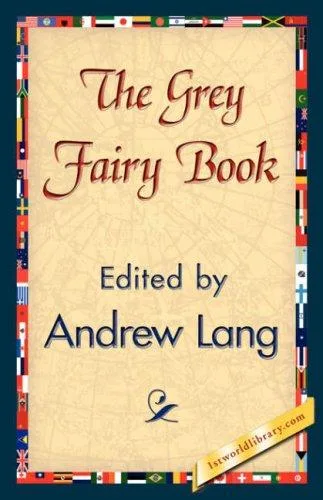
The Grey Fairy Book
 71
71

The Grey Fairy Book
Andrew Lang’s compilation, The Grey Fairy Book, offers a valuable window into the global landscape of folk narratives. Its strength lies in its sheer breadth, drawing from a wide geographical and cultural range of stories that might otherwise remain obscure. The sheer variety of tales, from familiar European motifs to less common Asian narratives, provides a rich comparative study for folklorists. However, the editorial voice, while necessary for a collection of this nature, can sometimes feel a touch anachronistic to a modern reader, with certain narrative choices or translations reflecting the sensibilities of the early 20th century rather than the raw folk sources. A particularly striking example is the pervasive presence of transformative magic, where characters undergo significant physical or social changes, often as a direct result of magical intervention, highlighting a core element of wish fulfillment and narrative resolution in these ancient tales. Lang’s work, despite its age, remains a significant, if occasionally dated, compendium.
📝 Description
71
Andrew Lang published The Grey Fairy Book in 1927, gathering tales from global traditions.
Andrew Lang compiled The Grey Fairy Book, published in 1927, as part of his "Fairy Book" series. This collection draws from folk and fairy tales spanning various global traditions, including European and Asian sources. The stories are not original creations but are retellings and translations of narratives that have been passed down for centuries, offering insight into the storytelling heritage of different cultures.
These tales often feature archetypes and narrative structures common in folklore. The book is intended for readers interested in the origins and cross-cultural connections of fairy tales. It appeals to those who appreciate classic folklore, scholars of comparative mythology, and parents or educators looking to introduce children to a wide range of traditional stories. Readers drawn to the early elements of fantasy literature will find it a useful resource, as will anyone curious about Lang's significant work in popularizing folklore.
Published in 1927, The Grey Fairy Book reflects a late interest in documenting oral traditions, a pursuit shared by folklorists like the Brothers Grimm and Joseph Jacobs. Andrew Lang, a key figure in late Victorian and Edwardian intellectual circles, aimed to preserve these narratives. His extensive series helped popularize folk tales beyond academic study, making them accessible to a broader audience. The collection itself, by gathering diverse stories, implicitly touches on themes of universal human experience and shared mythic patterns that are of interest within esoteric traditions.
💡 Why Read This Book?
• Learn about the archetypal hero's journey as depicted in tales like "The Story of Tam-Lin", a narrative structure explored across numerous cultures and foundational to much modern fantasy literature. • Discover the symbolic significance of animal helpers and magical objects, such as the enchanted ring in "The King of the Golden Mountain," which often represent inner resources or external aid crucial for overcoming obstacles. • Gain insight into the cross-cultural dissemination of folklore by examining recurring motifs and themes, like the 'clever servant' trope, present in stories originating from diverse regions and time periods.
⭐ Reader Reviews
Honest opinions from readers who have explored this book.
❓ Frequently Asked Questions
What is the historical significance of Andrew Lang's "Fairy Book" series?
Andrew Lang's "Fairy Book" series, initiated with "The Blue Fairy Book" in 1889 and continuing through "The Lilac Fairy Book" published in 1910, was instrumental in popularizing folk and fairy tales for a broad audience in the late 19th and early 20th centuries. It collected stories from various global traditions, making them accessible beyond academic circles.
Are the stories in The Grey Fairy Book original to Andrew Lang?
No, the stories in The Grey Fairy Book are not original to Andrew Lang. He was a folklorist and compiler who gathered, translated, and retold traditional folk and fairy tales from numerous cultures and sources that had been passed down orally or existed in earlier written forms.
When was The Grey Fairy Book first published?
The Grey Fairy Book was first published in 1927. It was one of the later volumes in Andrew Lang's prolific series of fairy tale collections, which spanned several decades and aimed to encompass a wide range of global folklore.
What kind of themes can be found in The Grey Fairy Book?
The collection features common folklore themes such as the triumph of the clever or virtuous protagonist, the presence of magical beings and enchanted objects, moral lessons about honesty and perseverance, and the exploration of transformative journeys. These themes reflect universal human concerns and aspirations.
Is The Grey Fairy Book suitable for children?
While intended for a younger audience, some stories contain mature themes or frightening elements common in older folk tales. Parents should review the content, but many tales offer valuable lessons and imaginative narratives suitable for older children and adults interested in folklore.
Where did Andrew Lang source the tales for The Grey Fairy Book?
Andrew Lang drew his tales from a vast array of sources, including existing European fairy tale collections, ancient mythology, and folklore from Asia, Africa, and other regions. He worked with translators and adapted existing texts to create a comprehensive collection.
🔮 Key Themes & Symbolism
Cross-Cultural Narrative Exchange
The collection serves as a compelling example of how storytelling traditions travel and adapt across diverse cultures. Tales of orphaned heroes, talking animals, and enchanted objects appear in variations from European hearths to Asian kingdoms, demonstrating a shared human impulse to narrate similar experiences and moral frameworks. This exchange highlights how narrative archetypes, such as the 'trickster' or the 'virtuous maiden,' can be universally recognized even when clothed in culturally specific details, offering insights into the interconnectedness of ancient human societies through shared imaginative constructs.
The Power of Transformation
Transformation is a pervasive motif throughout The Grey Fairy Book, manifesting in characters who change form, status, or fortune through magical means. This can range from princes turned into animals to commoners elevated to royalty. These transformations often serve as allegories for personal growth, the overcoming of adversity, or the realization of hidden potential. The act of metamorphosis in these tales speaks to a fundamental human fascination with change and the possibility of escaping limitations, reflecting a deep-seated hope for a better future or a hidden self.
Moral and Ethical Frameworks
While presented as entertainment, the folk tales within The Grey Fairy Book implicitly convey a strong sense of morality and ethical conduct. Stories often reward virtues such as kindness, cleverness, honesty, and perseverance, while punishing vices like greed, cruelty, and deceit. The consequences, whether magical or social, serve to reinforce societal norms and expectations. This collection implicitly explores the universal human need for established ethical guidelines, demonstrating how these narratives functioned as pedagogical tools, subtly educating listeners and readers on the expected behaviors within their respective communities.
The Field of the Supernatural
The presence of the supernatural is a defining characteristic of the tales, featuring witches, fairies, dragons, enchanted objects, and divine interventions. These elements are not merely decorative but often drive the plot, present obstacles, or provide solutions beyond the capabilities of ordinary humans. The integration of the supernatural reflects a worldview where the magical and the mundane were not rigidly separated. It speaks to humanity's long-standing engagement with mystery, the unknown, and the forces perceived to govern existence beyond empirical understanding.
💬 Memorable Quotes
Direct passages from the work, attributed to the author.
“The fairy was as beautiful as she was good.”
— This interpretation reflects a common characterization of benevolent supernatural beings in folklore. It suggests an idealized representation where inherent goodness is visually manifested, linking external appearance with internal virtue, a frequent convention in traditional storytelling.
“He was turned into a frog by the wicked sorcerer.”
— This represents a classic motif of magical transformation, often used as a punishment or a test for a character. It illustrates the presence of transformative magic and the direct impact of malevolent forces on the protagonists' physical and social existence.
“The clever servant outwitted the foolish king.”
— This reflects a recurring theme of social mobility and the triumph of intellect over rank. It showcases how folk tales often champion the underdog, using wit and cunning as powerful tools for characters of lower social standing to overcome oppressive or less intelligent superiors.
💡 Key Ideas
Editorial paraphrase of the work's core concepts — not direct quotes.
Many a time the poor lad had to go through his troubles.
This paraphrased concept captures the recurring narrative of hardship and perseverance faced by protagonists in folk tales. It highlights the common trope of the hero's arduous journey, where trials are not exceptions but fundamental to the character's development and eventual triumph.
She found the magical ring that granted her wishes.
This paraphrased concept points to the prevalence of enchanted objects within fairy tales. Such items often serve as plot devices, providing protagonists with the means to overcome insurmountable challenges or fulfill their deepest desires, symbolizing latent power or external aid.
🌙 Esoteric Significance
Tradition
While not explicitly tied to a single esoteric lineage like Hermeticism or Kabbalah, Lang's collection functions as a foundational text for understanding universal mythic and folkloric patterns that inform many esoteric traditions. The archetypal figures and narrative structures found within are common elements in Jungian psychology, which has heavily influenced modern esoteric thought, and can be seen as expressions of the collective unconscious. The Grey Fairy Book provides raw material for those exploring the common roots of spiritual symbolism found across various cultures, which esotericists often seek to unify or understand.
Symbolism
Key symbols abound, such as the **transformation** motif, representing spiritual metamorphosis or initiation, and the **animal helper**, often symbolizing instinctual wisdom or a guide from the unconscious. The **enchanted object**, like a ring or sword, frequently represents latent spiritual power or the keys to unlocking hidden potentials. These symbols, while appearing in simple narrative contexts, echo deeper meanings explored in alchemical processes, shamanic journeys, and various mystical traditions concerning inner change and accessing higher knowledge.
Modern Relevance
Contemporary thinkers and practitioners in fields like Jungian psychology, comparative mythology, and even certain branches of New Age spirituality frequently draw upon the archetypal narratives found in collections like The Grey Fairy Book. The book's enduring appeal lies in its presentation of fundamental human dramas and symbols that continue to resonate. Modern storytellers, fantasy authors, and therapists alike can find inspiration and analytical frameworks within these tales for understanding the human psyche and its enduring quest for meaning and self-discovery.
👥 Who Should Read This Book
• Students of comparative mythology and folklore seeking a broad overview of global narrative traditions. • Aspiring writers and storytellers interested in the archetypal structures and motifs that underpin classic and contemporary fantasy literature. • Individuals exploring the psychological dimensions of myth and fairy tales, particularly those interested in the concept of the collective unconscious as explored by Carl Jung.
📜 Historical Context
The Grey Fairy Book, published in 1927, emerged from a fertile period of folklore scholarship and a burgeoning interest in comparative mythology. Andrew Lang, a prominent intellectual figure of the late Victorian and Edwardian eras, was part of a generation that meticulously collected and categorized folk tales, a pursuit also undertaken by figures like Joseph Jacobs. Lang's "Fairy Book" series, which began in 1889, was notable for its ambition to compile stories from a vast array of global sources, moving beyond the purely European focus of earlier collections. This effort coincided with the rise of anthropology and a desire to understand universal human experiences through narrative. Lang's work, while celebrated, existed within a broader academic landscape where folklore was being codified and analyzed, sometimes alongside nascent psychological interpretations of myth and story. The collection's reception was largely positive, solidifying Lang's reputation as a key popularizer of global folklore, though modern scholarship might critique the editorial choices and translations reflecting early 20th-century biases.
📔 Journal Prompts
The recurring motif of the 'clever servant' and its implications for social dynamics.
The symbolic role of animal transformations in tales of personal change.
The contrast between benevolent and malevolent magical beings encountered in the narratives.
The consequences of greed or dishonesty as depicted in specific cautionary tales.
The function of enchanted objects in empowering protagonists.
🗂️ Glossary
Archetype
A universal, inherited pattern of thought or imagery derived from the experience of the species, as in Jung's theory of the collective unconscious. In folklore, these manifest as recurring character types or plot structures.
Folklore
The traditions, beliefs, customs, stories, and sayings of a community or a people, passed down through generations, often orally.
Motif
A recurring element, subject, or idea in a literary, artistic, or musical work. In folklore, motifs can be specific plot devices, characters, or symbols.
Hero's Journey
A narrative pattern identified by Joseph Campbell, describing the typical stages of a hero's adventure, including departure, initiation, and return. Common in mythology and folk tales.
Oral Tradition
The transmission of cultural knowledge, history, and stories from one generation to the next by spoken word, rather than by writing.
Anthropology
The scientific study of human societies and cultures and their development. Early folklore studies were often intertwined with anthropological research.
Comparative Mythology
The study of similarities and differences among myths from various cultures and religions, often seeking to understand universal themes and origins.
🔮 Readers Also Liked
Browse all →









More by Andrew Lang
All books →


More Free Occult Philosophy Books
View all →