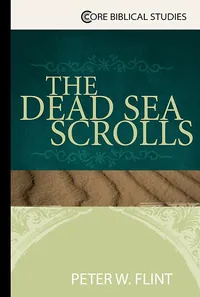
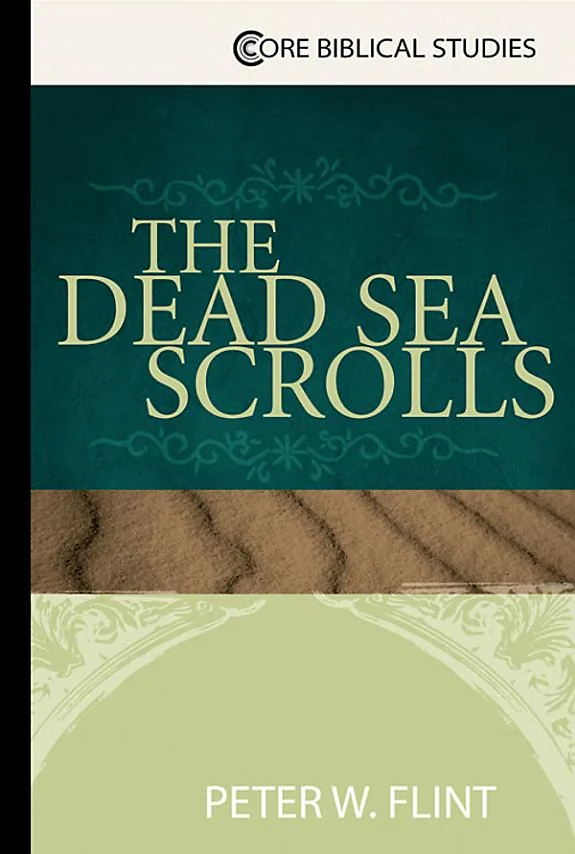
The Dead Sea Scrolls
 82
82

The Dead Sea Scrolls
Peter W. Flint’s meticulous presentation of the Dead Sea Scrolls offers a vital resource for anyone grappling with these enigmatic texts. The book excels in its systematic cataloging of the scrolls and their scholarly investigation, particularly concerning the debate over the Qumran community's identity. Flint’s discussion of the textual variations found within the scrolls, especially in passages that later appeared in the Masoretic Text, provides a clear illustration of the challenges and rewards of textual criticism. However, the sheer volume of detail, while academically rigorous, can sometimes obscure the broader esoteric implications for readers seeking a more mystical interpretation. A particular strength lies in the detailed appendices that map out the physical locations of the caves and the types of manuscripts found within each, grounding the abstract discussion in tangible geography. The work effectively synthesizes decades of archaeological and philological research, making it an indispensable, albeit dense, reference.
📝 Description
82
### What It Is The Dead Sea Scrolls presents a comprehensive examination of the ancient manuscripts discovered near the Dead Sea. This scholarly work details the history of their discovery, the various texts included, and the ongoing scholarly debates surrounding their origins and significance. It serves as an accessible guide to one of archaeology's most profound finds, bringing together disparate research into a cohesive narrative.
### Who It's For This book is intended for a broad audience interested in ancient history, religious studies, and textual criticism. Readers seeking to understand the context of early Judaism and Christianity, the development of biblical texts, and the diverse sectarian landscape of the Second Temple period will find it particularly valuable. It is also suitable for those curious about the academic process of deciphering and interpreting ancient documents.
### Historical Context The discovery of the Dead Sea Scrolls began in 1947 with Bedouin shepherds finding fragments in caves near Qumran. These texts, dating primarily from the 3rd century BCE to the 1st century CE, predate many canonical biblical texts and offer unique insights into Jewish religious life before and during the time of Jesus. They represent a critical juncture in understanding the textual history of the Hebrew Bible and the emergence of early Christian thought.
### Key Concepts The work explores concepts such as textual variants in biblical manuscripts, the nature of apocalyptic literature prevalent in the period, and the identity of the Qumran community, often associated with the Essenes. It discusses the significance of non-biblical texts like the Community Rule and the War Scroll, which illuminate the beliefs and practices of the groups that produced and preserved these documents.
💡 Why Read This Book?
• Gain a concrete understanding of the textual variations in ancient Hebrew biblical manuscripts, as detailed in the sections discussing the Masoretic Text versus scroll findings, which offers a unique perspective on textual transmission. • Explore the specific beliefs and practices of the Qumran community, including their unique interpretations of scripture and their apocalyptic worldview, as elucidated by analyses of texts like the Community Rule. • Grasp the historical significance of the 1947 discovery and its impact on Second Temple Judaism studies, providing a foundational knowledge base unavailable in generalized religious histories.
⭐ Reader Reviews
Honest opinions from readers who have explored this book.
❓ Frequently Asked Questions
When were the Dead Sea Scrolls actually discovered?
The discovery of the Dead Sea Scrolls began in 1947 when Bedouin shepherds found ancient manuscripts in caves near the Dead Sea. This initial find sparked extensive archaeological expeditions that uncovered thousands of fragments over the subsequent decades.
What languages are the Dead Sea Scrolls written in?
The majority of the Dead Sea Scrolls are written in Hebrew. However, significant portions are also in Aramaic, and a smaller number are in Greek, reflecting the linguistic diversity of the region during the Second Temple period.
Who is believed to have written the Dead Sea Scrolls?
Scholarly consensus largely attributes the Dead Sea Scrolls to an ancient Jewish sect, most commonly identified with the Essenes, who lived at or near the settlement of Qumran. However, other theories exist regarding their origin.
What is the significance of the Community Rule scroll?
The Community Rule (1QS) is a foundational text detailing the laws, organization, and ideology of the sect that produced the scrolls. It provides crucial insights into their communal life, purity rituals, and eschatological expectations.
How do the Dead Sea Scrolls relate to the Bible?
The scrolls contain some of the oldest known manuscripts of books that later became part of the Hebrew Bible, allowing scholars to compare ancient versions with later texts. They also include many non-biblical religious writings from the Second Temple period.
What does the term 'Second Temple period' refer to in relation to the scrolls?
The 'Second Temple period' refers to the era in Jewish history from the rebuilding of the Jerusalem Temple around 516 BCE until its destruction by the Romans in 70 CE. The Dead Sea Scrolls largely date from this span, offering a unique window into this time.
🔮 Key Themes & Symbolism
Textual Criticism of Scripture
The work meticulously details the variations found between the Dead Sea Scrolls and later standardized biblical texts, such as the Masoretic Text. This exploration highlights the fluid nature of scripture in antiquity and the rigorous process scholars undertake to reconstruct original or earliest known versions. It reveals how different scribal traditions and community interpretations impacted the textual transmission of sacred writings before the common era.
The Qumran Community's Ideology
A central theme is the reconstruction of the beliefs and practices of the community associated with the Qumran site. Texts like the Community Rule and the War Scroll offer profound insights into their dualistic worldview, strict adherence to Mosaic law, messianic expectations, and apocalyptic outlook. The book examines their unique interpretation of scripture and their separation from mainstream Jewish society.
Apocalyptic Literature and Eschatology
The collection significantly illuminates the prevalence and importance of apocalyptic literature during the Second Temple period. The scrolls often express a strong sense of divine judgment, the imminence of the end times, and the establishment of a new covenant. This theme connects the scrolls to broader currents of religious thought that influenced both Judaism and early Christianity.
Preservation and Discovery Narrative
Beyond the content of the scrolls, the book addresses the remarkable story of their discovery, dating back to 1947. It outlines the geographical context of the Qumran caves, the challenges of excavation and preservation, and the subsequent decades of scholarly effort to decipher and interpret these fragile documents, underscoring the fragility of ancient knowledge.
💬 Memorable Quotes
“The scrolls include biblical texts, apocryphal writings, and sectarian documents.”
— This statement underscores the diverse nature of the Dead Sea Scrolls. They are not solely biblical texts but also include works that were not canonized and writings specific to the community that preserved them, offering a broader view of ancient Jewish literature.
“Scholars debate the precise identity of the Qumran sect.”
— This highlights the ongoing nature of academic inquiry. While the Essenes are often cited, the evidence is not conclusive, and the book acknowledges the various theories proposed by researchers regarding the authorship and ownership of the scrolls.
“The Community Rule outlines the structure and laws of the Qumran community.”
— This points to the importance of the Community Rule as a primary source for understanding the social, religious, and organizational principles that governed the sect responsible for the scrolls, revealing their communal ethos.
“Textual variants reveal different stages of transmission.”
— This concept emphasizes that the Dead Sea Scrolls are crucial for understanding how biblical texts evolved. Comparing them to later versions allows scholars to trace the history of the Hebrew Bible's text and identify different textual traditions.
“Apocalyptic visions were common in Second Temple Judaism.”
— This interpretation emphasizes the cultural and religious milieu of the time. The scrolls reflect a widespread interest in end-times prophecies and divine intervention, a characteristic feature of Jewish thought during this formative period.
🌙 Esoteric Significance
Tradition
While not explicitly aligned with a single esoteric tradition, the Dead Sea Scrolls resonate with Gnostic and Hermetic undercurrents due to their dualistic cosmology, emphasis on hidden knowledge, and meticulous purity laws. The sectarian texts, particularly those detailing community initiation and eschatological timelines, can be seen as precursors to later mystical orders and their internal doctrines, offering a glimpse into ancient esoteric practices within a Jewish framework.
Symbolism
Key symbols include the 'sons of light' versus 'sons of darkness,' representing a fundamental cosmic and ethical dualism central to the Qumran sect's worldview. The emphasis on ritual purity, symbolized by washing and separation, signifies a striving for spiritual cleanness and readiness for divine intervention. The concept of a 'new covenant' also carries symbolic weight, pointing towards an impending divine renewal and a purified community.
Modern Relevance
Contemporary esoteric thinkers and practitioners often draw inspiration from the scrolls' themes of hidden wisdom, community discipline, and apocalyptic anticipation. Certain Kabbalistic interpretations and modern interpretations of early Christian mysticism find parallels in the scrolls' mystical leanings and emphasis on esoteric understanding. The scrolls continue to inform explorations of ancient mystery cults and the origins of Western esotericism.
👥 Who Should Read This Book
• Students of comparative religion and early Judaism: To gain direct access to primary texts that illuminate the diversity of religious thought before and during the emergence of Rabbinic Judaism and Christianity. • Researchers of ancient textual transmission: To examine the earliest extant manuscripts of biblical books and understand the processes of textual variation and canonization. • Individuals interested in the origins of Western esoteric traditions: To explore the historical roots of dualistic thinking, community-based spiritual practices, and apocalyptic expectations that influenced later mystical movements.
📜 Historical Context
The Dead Sea Scrolls emerged from the vibrant, often tumultuous, religious landscape of the Second Temple period in Judea, roughly from the 3rd century BCE to the 1st century CE. This era witnessed significant intellectual and spiritual ferment, including the development of Hellenistic thought, the rise of various Jewish sects like the Pharisees and Sadducees, and the consolidation of early Christian communities. The discovery of the scrolls, beginning in 1947, dramatically reshaped understandings of this period, offering primary source material that predated many previously known texts. The scrolls' content, particularly sectarian documents like the Community Rule, provided concrete evidence for groups with distinct theological and organizational structures, challenging earlier, more monolithic views of Judaism. Their existence also fueled intense scholarly debate, with scholars like Roland de Vaux leading early excavations and analysis, while figures like Yigael Yadin played crucial roles in acquiring and interpreting subsequent finds.
📔 Journal Prompts
The dualistic framework of 'sons of light' and 'sons of darkness' as presented in the Community Rule.
The specific purity laws and their symbolic meaning for the Qumran community.
The concept of a 'new covenant' and its implications for the sect's eschatology.
The comparison of biblical texts found at Qumran with later Masoretic versions.
The role of apocalyptic literature in the religious life of Second Temple Judea.
🗂️ Glossary
Masoretic Text
The standardized medieval Hebrew text of the Jewish Bible, established by the Masoretes. It serves as the primary basis for most modern translations of the Old Testament.
Second Temple Period
The era of Jewish history from the completion of the Second Temple in Jerusalem (c. 516 BCE) until its destruction by the Romans in 70 CE. A period of significant religious and political development.
Community Rule (1QS)
A key sectarian document found among the Dead Sea Scrolls, detailing the laws, organization, and beliefs of the community that likely produced the scrolls.
Apocalyptic Literature
A genre of revelatory literature, common in ancient Judaism and Christianity, that typically describes divine visions of the end times, cosmic struggles, and future events.
Textual Criticism
The scholarly study of ancient texts to determine their original wording and identify variations introduced through copying and transmission errors.
Essenes
An ascetic Jewish sect that flourished in Judea during the Second Temple period. Many scholars associate them with the Qumran community that produced the Dead Sea Scrolls.
Qumran
An archaeological site near the Dead Sea where the famous Dead Sea Scrolls were discovered in nearby caves. It is believed to have been a settlement of an ancient Jewish sect.