The Black Cauldron

 75
75

The Black Cauldron
Lloyd Alexander’s *The Black Cauldron* (1965) is more than a fantasy adventure; it’s a considered exploration of power and personal growth. Taran’s initial immaturity and inflated sense of self are palpable, making his subsequent trials feel earned rather than preordained. The introduction of the Black Cauldron itself, a relic of immense destructive potential, serves as a compelling focal point for the narrative’s thematic concerns about control and corruption. A particular strength lies in the nuanced portrayal of secondary characters, like Gurgi, whose loyalty and transformation offer a counterpoint to Taran’s own journey. However, the pacing occasionally falters, particularly in the middle sections where Taran’s immediate goals seem to diffuse. The concept of the 'cauldron-born' warriors, while visually striking, could have been further developed to explore the existential horror of their existence. Despite these minor points, the book’s enduring appeal lies in its unflinching look at the cost of ambition and the quiet dignity of those who choose responsibility over glory. It remains a significant work for its mature handling of classic fantasy tropes.
📝 Description
75
Published in 1965, Lloyd Alexander's The Black Cauldron follows an assistant pig-keeper's quest against a dark sorcerer.
The Black Cauldron introduces Taran, a young assistant pig-keeper in the mythical land of Prydain, who dreams of heroism. His journey begins when he must confront Arawn, the evil lord of Annwn, and his undead soldiers, the Cauldron-Born. Prydain itself is a world shaped by Welsh mythology, specifically drawing from the Mabinogion. Alexander uses this setting not just for adventure, but to examine courage, the weight of duty, and the unseen forces that guide events.
This story appeals to readers who enjoy detailed worlds built upon genuine folklore. Those drawn to the archetype of the hesitant hero, character growth from simple origins, and the exploration of moral gray areas will find the book engaging. It serves as a good introduction to fantasy literature for younger readers, while also offering adults a narrative that blends action with deeper ideas. Readers familiar with Arthurian legends or other mythologically rich epics will likely connect with Prydain.
While often categorized as young adult fantasy, The Black Cauldron draws heavily on Welsh mythology, particularly the Mabinogion. This infusion of ancient lore provides a framework for exploring themes that resonate beyond simple adventure. The concept of the Cauldron itself, a powerful artifact central to the plot, echoes ancient beliefs in magical objects and their transformative powers. The narrative's focus on destiny and the struggle against darkness taps into archetypal patterns found in many mythic and occult traditions, offering a lens through which to view quests for self-knowledge and the confrontation of inner and outer shadows.
💡 Why Read This Book?
• Gain insight into the archetypal journey of the 'assistant pig-keeper' hero, a subversion of classic epic traditions, as seen in Taran's arc from aspiration to true valor. • Understand the symbolic weight of the Black Cauldron, a powerful artifact representing destructive ambition and the seductive allure of uncontrolled magic, as explored throughout the narrative. • Appreciate the grounding of fantasy in Welsh mythology, specifically the Mabinogion, which imbues the world of Prydain with authentic cultural resonance and depth.
⭐ Reader Reviews
Honest opinions from readers who have explored this book.
❓ Frequently Asked Questions
What is the significance of the Black Cauldron in Lloyd Alexander's novel?
The Black Cauldron is a central artifact, created by Arawn Death-Lord. It possesses the power to animate the dead, creating 'cauldron-born' warriors. Its significance lies in its representation of ultimate destructive power and the seductive temptation of control, which Taran must confront.
Who are the main characters in The Black Cauldron?
The primary protagonist is Taran, an assistant pig-keeper. Key companions include Gurgi, a loyal creature with a complex past; Eilonwy, a princess with magical abilities; and Fflewddur Fflam, a boastful but ultimately brave king. They face the antagonist Arawn, the Death-Lord of Annuvin.
What mythological sources inspired The Black Cauldron?
The novel is heavily inspired by Welsh mythology, particularly the Mabinogion, a collection of medieval Welsh prose tales. Elements like the land of Prydain, its characters, and the overarching mythic structure are drawn from these ancient sources.
Is The Black Cauldron suitable for young readers?
Yes, it is the second book in a series generally aimed at young adults. While it deals with mature themes like death, power, and responsibility, it does so in a way that is accessible and engaging for younger audiences.
What is the primary theme explored in The Black Cauldron?
A central theme is the nature of heroism and leadership. The book examines how true courage is not about seeking glory but about accepting responsibility, making difficult choices, and understanding one's limitations, as Taran learns throughout his quest.
When was The Black Cauldron first published?
The Black Cauldron was first published in 1965 by the author Lloyd Alexander, making it a significant work of mid-20th century fantasy literature.
🔮 Key Themes & Symbolism
The Nature of Heroism
The narrative challenges simplistic notions of heroism, portraying Taran's journey not as one of inherent bravery, but of growth through trial and error. He grapples with ambition, fear, and the consequences of his actions, learning that true courage often lies in quiet persistence and difficult moral choices rather than grand gestures. This is exemplified in his interactions with characters who embody different facets of bravery and cowardice, forcing Taran to define his own path.
Power and Corruption
The titular Black Cauldron serves as a potent symbol of corrupted power. Its ability to animate the dead into 'cauldron-born' warriors highlights the perversion of life and will when controlled by malevolent forces like Arawn. The book explores how the pursuit of such power, even with potentially noble intentions, can lead to moral decay and destruction. Taran's ultimate rejection of the cauldron's influence underscores the importance of resisting overwhelming magical might.
Mythic Foundations
Alexander masterfully grounds the fantasy world of Prydain in the rich lore of Welsh mythology, specifically drawing from the Mabinogion. This connection provides a deep wellspring of archetypal characters, settings, and narrative structures. The book demonstrates how ancient myths can be reinterpreted to explore enduring human themes, offering readers a connection to a deep cultural heritage while delivering a compelling original story.
Responsibility and Duty
Beyond personal ambition, the story emphasizes the weight of responsibility. Taran's initial desire for glory gradually gives way to a more profound understanding of his duty to protect others and confront evil. Characters like Dallben and the oracles represent wisdom and foresight, guiding Taran towards accepting his role, however daunting. The narrative suggests that maturity involves embracing obligations, even when they are burdensome.
💬 Memorable Quotes
Direct passages from the work, attributed to the author.
“A boy's mind is a dangerous place.”
— This observation, likely spoken by a wiser character, points to the volatile nature of youthful ambition and imagination. It suggests that unchecked youthful desires or fantasies can lead to perilous situations or flawed decision-making, as Taran often experiences.
“He was proud to be an Assistant Pig-Keeper.”
— This reflects Taran's initial, perhaps naive, pride in his humble station. It sets the stage for his later growth, as he must reconcile his aspirations with his reality and eventually find worth beyond mere titles or perceived greatness.
“There are always more warriors than the cauldron can hold.”
— This highlights the seemingly endless capacity for destruction that the Black Cauldron represents. It speaks to the pervasive nature of conflict and the ease with which life can be twisted into instruments of death by dark magic.
“The world is full of wonders and terrors.”
— This sentiment captures the essence of Taran's journey through Prydain. It acknowledges the beauty and magic alongside the dangers and darkness, framing the adventure as an initiation into the complex reality of existence.
💡 Key Ideas
Editorial paraphrase of the work's core concepts — not direct quotes.
It is a far harder thing to be a king than to be a warrior.
Attributed to Fflewddur Fflam, this quote highlights the complex burdens of leadership. It implies that ruling requires more than strength or martial skill; it involves wisdom, responsibility, and the difficult task of guiding a people.
🌙 Esoteric Significance
Tradition
While not strictly adhering to a single esoteric lineage, *The Black Cauldron* draws heavily from Celtic mythology, which possesses its own deep currents of animism, shamanism, and cyclical views of life and death. The Welsh Mabinogion provided Alexander with a framework rich in archetypal figures and mythic events that resonate with universal spiritual quests. The narrative can be seen as exploring themes common in Gnostic thought, particularly the struggle against a malevolent demiurge (Arawn) and the quest for self-knowledge and liberation from oppressive forces.
Symbolism
The Black Cauldron itself is a potent symbol of destructive creation and corrupted life force, a perversion of the life-giving cauldrons found in Celtic lore. The 'cauldron-born' represent soulless automatons, animated by dark magic, symbolizing the loss of individuality and free will under tyrannical control. The Horned King, a figure associated with death and the underworld, embodies primal destructive forces, acting as a conduit for Arawn’s power and representing the raw, untamed aspects of mortality.
Modern Relevance
Contemporary fantasy authors and scholars continue to reference Alexander's Prydain Chronicles for their masterful blend of mythology and character development. Modern practitioners of Celtic Reconstructionism or those interested in shamanic traditions may find traces of ancient beliefs in the animistic elements and the cyclical nature of life, death, and rebirth depicted. The series remains a touchstone for exploring archetypal journeys and the ethical dimensions of power in speculative fiction.
👥 Who Should Read This Book
• Young readers aged 10-14 developing an interest in epic fantasy, seeking an accessible yet thematically rich introduction to heroism and moral decision-making. • Adult fans of mythology and folklore, particularly those interested in Welsh traditions and the Mabinogion, looking for a well-crafted narrative that honors its source material. • Aspiring writers and storytellers interested in character archetypes, world-building based on authentic cultural sources, and the construction of compelling young hero narratives.
📜 Historical Context
Published in 1965, *The Black Cauldron* emerged within a vibrant period for children's and young adult literature, where authors began exploring more complex themes and mythic structures. Lloyd Alexander's work distinguished itself by drawing directly from the ancient Welsh Mabinogion, offering a more authentic and deeply rooted fantasy world compared to the prevalent Tolkien-esque imitations. This era saw authors like Ursula K. Le Guin also beginning to challenge genre conventions. Alexander’s Prydain Chronicles, starting in 1964 with *The Book of Three*, tapped into a growing appetite for fantasy that respected its young audience's intelligence and capacity for understanding moral ambiguity. The series received critical acclaim, establishing Alexander as a significant figure in modern fantasy literature and demonstrating that stories for younger readers could engage with profound, even somber, themes without sacrificing adventure.
📔 Journal Prompts
The Black Cauldron's power over life and death.
Taran's evolution from Assistant Pig-Keeper to hero.
The symbolic meaning of Gurgi's transformations.
The balance of wonder and terror in Prydain.
Fflewddur Fflam's struggle between boasting and truth.
🗂️ Glossary
Prydain
The fictional country where the events of the book take place, heavily inspired by Welsh mythology and folklore. It serves as a backdrop for epic quests and moral struggles.
Arawn
The primary antagonist, also known as the Death-Lord of Annuvin. He represents the forces of death, darkness, and domination, seeking to enslave the land of Prydain.
Cauldron-born
Warriors animated by the dark magic of the Black Cauldron. They are depicted as soulless, obedient soldiers, symbolizing the perversion of life and will.
Mabinogion
A collection of eleven medieval Welsh prose tales forming the earliest Welsh prose literature. Lloyd Alexander drew significant inspiration from these stories for the Prydain Chronicles.
Annuvin
In Welsh mythology, the Otherworld or a field of the dead. In the book, it is Arawn's dark kingdom, the source of his power and malevolent influence.
Dallben
An ancient and wise enchanter who serves as a mentor figure to Taran. He possesses great knowledge but often guides Taran indirectly.
Gurgi
A loyal, shapeshifting creature with a complex past who becomes a devoted companion to Taran. His transformations reflect his inner struggles and desires.
🔮 Readers Also Liked
Browse all →







More by Lloyd Alexander
All books →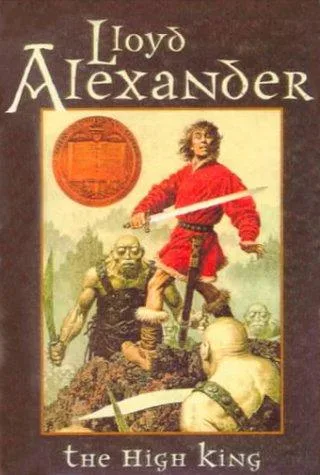





More Free Occult Philosophy Books
View all →